Disposal of Region's Waste Receives Expert and Government Attention at Arab Health Exhibition 2005
Dubai, United Arab Emirates
As the Middle East health sector grows and modernizes, discussion around the safe disposal of the region's growing mountain of medical waste is increasing, driven by public health concerns and demands for better environmental protection.
Since medical waste is classified as more dangerous than ordinary garbage, successful hospital by-product management involves strict maintenance policies to avoid the spread of disease and prevent the leaching of hazardous chemicals into ground water. This situation is further complicated by the extreme climatic and environmental conditions of the Middle East, which can make storage and disposal problematic.
In response to these concerns, governmental and healthcare organisations are addressing the issue by establishing efficient waste management policies and systems. Some organizations, such as Saudi Gulf Environmental Protection Company - Sepco - have taken the lead in introducing advanced processes to the region.
"Medical waste disposal is a major issue, and it's a positive sign that many countries in the region are aware of the challenges as they develop their medical facilities," said Adel Salim Badeep, general manager, Sepco.
"Within Saudi Arabia, Sepco has introduced a range of recycling and microwave technology that has enabled the safe disposal of dangerous products, and our approach has been so successful that we're now in discussions with groups across the region to develop similar treatment facilities," adds Badeep.
Hospital waste can include a range of substances including laboratory waste, surgical and pathology by-products, sharp items such as used needles or scalpel blades, and bulk blood or blood products. The scale of the problem is significant - for example, it is estimated that around 2,700 tons of plastic hospital waste alone are created every year in the region.
The disposal of these items requires a precise and integrated regional plan for waste management, from audit, collection, separation, storage and transfer to final treatment, and authorities in the region are actively implementing strategies that ensure no harm comes to the environment during disposal processes.
Key opportunity for discussion
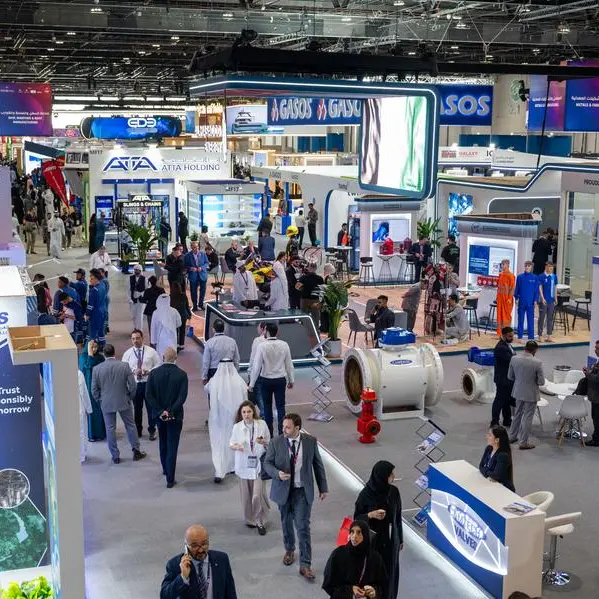
One of the region's key opportunities for discussing progress around the issue of waste management in the Middle East is the Arab Health Exhibition and Conference, the region's largest and most successful healthcare events. Many of the world's leading hospital waste management companies are due to exhibit at Arab Health 2005's Hospital Design and Interiors exhibition, which runs as part of Arab Health.
In addition, both the conference and the awards event will provide opportunities to share best practice and hear from experts in the field. At this year's awards Sepco received the "Specialist Achievement Award for Support Services". This was in recognition of the development and implementation of its extensive services in medical waste management.
"The disposal of medical waste, particularly hazardous materials, has the potential to impact hugely on the region's environment, and municipal authorities in the Gulf recognise their responsibility to be kept abreast of the safest and most effective disposal methods," said John Hassett, exhibitions director, healthcare division, IIR Middle East.
"Arab Health 2005 will present all role players in the healthcare sector, as well as government representatives and manufacturers, with an ideal opportunity to come together to improve their knowledge, and view the newest technologies developed specifically for the responsible management of hospital waste," he added.
Manufacturers and suppliers from as far afield as India, Australia and Germany will exhibit new equipment and provide information on the latest international trends and advances in the field of clinical and hazardous waste disposal at Arab Health 2005.
-Ends-
About Arab Health
Arab Health 2005 will be held at the DIEC from February 12-15.
Arab Health is organised by IIR Middle East with official support from the UAE Ministry of Health and the Dubai Department of Health and Medical Services.
The Arab Health 2005 exhibition is expected to be 25 percent larger than the 2004 event, with over 2,000 companies from over 50 countries having already registered for the event.
Major country groups have sold out of their space allocation and, for the first time, Arab Health will occupy all 10 halls including the Sheikh Rashid Hall of the Dubai International Exhibition Centre. The Middle East's healthcare expenditure for 2004 is currently valued at around US $74 billion.
© Press Release 2004