"Leading for the Future" hailed as great success
Amman, 25 January 2010 - A Regional Executive training program organized by the King Abdullah II Fund for Development and Harvard Kennedy School concluded 5 days of sessions hailed as a great success.
The program, Leading for the Future: The Middle East in a Changing World, was designed to provide senior leaders from the pubic and private sectors and civil society in the Arab world with an opportunity to tackle pressing challenges facing the region and the world today.
Lectures, seminars, and workshops engaged more than 50 participants from 11 Arab countries in discussions designed to help them gain valuable knowledge and develop strategic skills using a case study method pioneered at Harvard, which offers a powerful and stimulating educational experience through case discussions, analysis, communications and negotiations.
The program had started with an immediate focus on economic issues by the program's Chair Robert Lawrence, Albert L. Williams Professor of International Trade and Investment who tackled issues like globalization, economic policy and performance, and the competitiveness of Arab economies.
The program included a valuable participation from Ambassador Nicholas Burns who headed two sessions on foreign policy and dimensions of diplomacy. It also included important contribution from professors Henry Lee and Herman B. "Dutch" Leonard, who led group meetings on decentralization and innovation, leading in difficult times, public-private partnerships, strategy for public and private sectors, and strategy exercises.
More challenges came from Professor Andy Zelleke, his sessions focused on the art of negotiating and on creating and claiming value, and on multi-issue and multi-party negotiations.
In concluding remarks, Professor Robert Lawrence hailed the level of participation describing it as world class. He said Harvard was indebted to the King Abdullah II Fund for Development for being behind the success of the program.
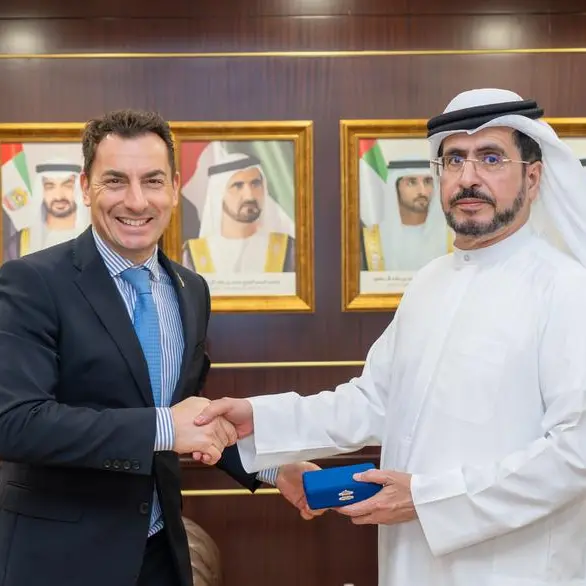
The graduation ceremony was patronized by His Excellency Senator Faisal al-Fayez, the Chairman of KAFD's board of trustees, who joined the faculty Chair Professor Robert Lawrence in handing certificates to the participants from Saudi Arabia, Bahrain, Qatar, Kuwait, Oman, Algeria, Iraq, Egypt, Lebanon, Palestine, and Jordan.
Senator al-Fayez thanked the efforts by Harvard faculty, and said that His Majesty King Abdullah's visit at the start of the program's sessions confirms His Majesty's personal commitment to investing in leadership training and to creating a network of leaders in the region.
Mr. Tarik Awad, Executive Director of KAFD said the Fund was proud of its partnership with Harvard University and that the program was a great success. He announced that the program will be held again in 2011 and 2012.
The success of the program was hailed by a number of participants at the conclusion of sessions. Speaking on behalf of his colleagues, Armen Balian from Lebanon said they were grateful to Jordan for bringing and hosting such an impressive world class program. He said bringing some of the best of Harvard's faculty together with Arab executives has created valuable interaction between the two sides.
Kuwait's Dr. Nada al-Mutawwa said "the program did have a distinctively positive impact on our capabilities and experiences." This was supported by the undersecretary of Jordan's Ministry of Water and Irrigation Dr. Maysoon al-Zubi, who said the program added valuable experience to the participants' skills in leadership skills and ability to deal with challenges facing our region.
-Ends-
About KAFD
The King Abdullah II Fund for Development (KAFD) was established by a Royal Decree in 2001 as a non-governmental organization, which strives to achieve social and economic developmental goals in Jordan.
On the backdrop of a true partnership with the public and private sectors and civil society institutions, KAFD's strategies are based on establishing projects and capitalizing on citizens' capabilities and potentials. KAFD has been engaged in a number of regional and international activities, such as: hosting the World Economic Forum on the Middle East, launching the King Abdullah II Award for Youth Innovation and Achievement and establishing the Middle East Science Fund, with the aim of creating stronger networks and setting Jordan as a pioneer in responding to the region's priorities and challenges.
© Press Release 2010