PHOTO
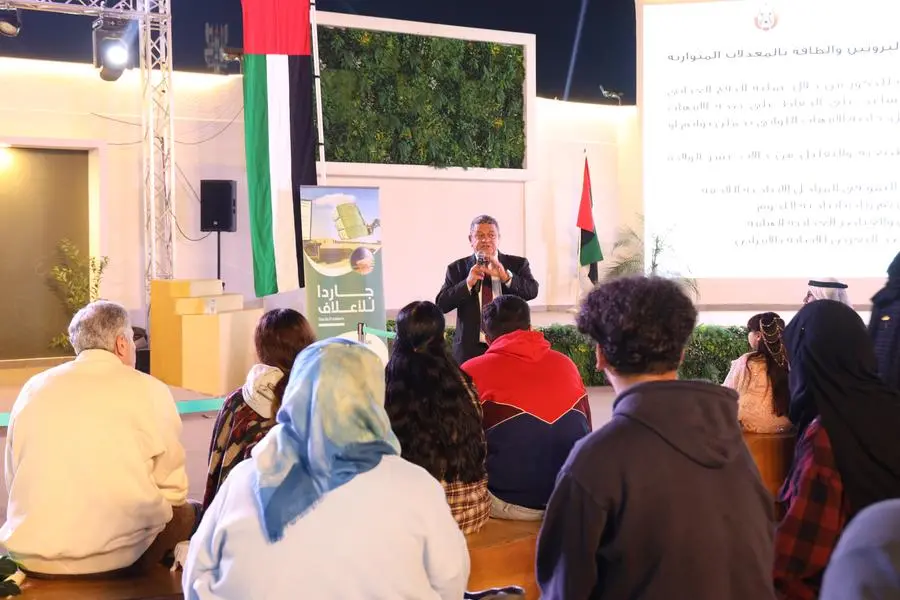
ABU DHABI – The Sheikh Mansour bin Zayed Agricultural Excellence Award organised a scientific seminar yesterday evening at its pavilion within the Sheikh Zayed Festival in Abu Dhabi, titled "Basics of Livestock Nutrition, Feed Quality, and their Impact on Animal Production". This initiative is part of a series of awareness and guidance programmes implemented by the Award to spread modern agricultural culture and empower breeders to adopt the best scientific practices and advanced technologies, thereby improving production efficiency, rationalising resource use, and enhancing sustainability.
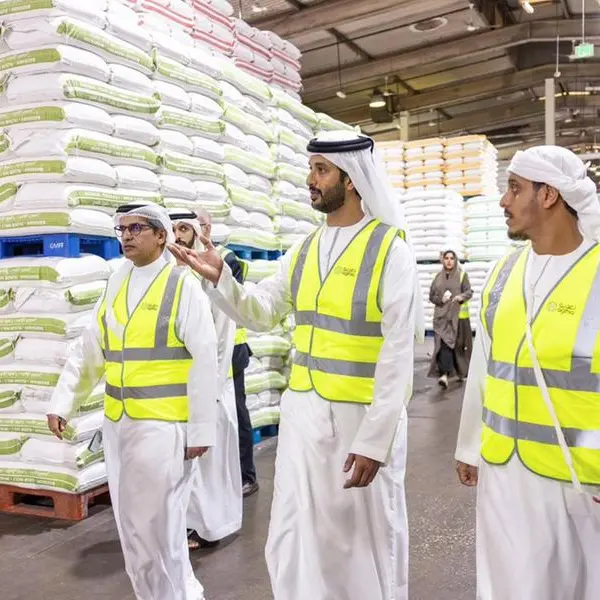
The Award emphasised that building the knowledge capacity of breeders is a fundamental pillar in developing the livestock sector and achieving sustainable food security, in line with the UAE’s national strategies to bolster local production and ensure the sustainability of food supply chains. The seminar highlighted the "Feed Market" for livestock breeders, launched by the Abu Dhabi Agriculture and Food Safety Authority (ADAFSA) in 2023, which stands as the first and largest feed market in the Middle East, serving approximately 40,000 breeders nationwide and meeting the needs of over 5 million head of livestock.
Discussions also covered the market's role in supporting the UAE's feed trade, which amounts to approximately 3 million tonnes with an annual value exceeding AED 4.5 billion. Presented by Dr Ahmed El-Issawi, an Animal Production Specialist at ADAFSA, the seminar addressed the direct impact of proper nutrition on increasing meat and milk productivity and elevating the quality of local products to boost consumer confidence and support relative self-sufficiency.
The sessions explored the latest scientific concepts regarding the nutrition of ruminants, asserting that a balanced diet is the cornerstone for achieving optimal growth rates and enhancing animal immunity against diseases. Furthermore, the expert detailed various feed types, stressing the importance of diversifying nutritional sources to ensure economic feasibility for breeders. The seminar also defined strict feed quality standards involving physical, chemical, and biological evaluations—such as protein, energy, and fibre levels, and moisture content—while ensuring feeds are free from toxins and contaminants. Finally, it was noted that the calculated use of concentrated feeds rich in protein and energy contributes significantly to raising fertility rates, supporting normal foetal growth, and increasing birth weights, which ultimately enhances production in later stages.