PHOTO
UAE, Dubai: The Ministry of Health and Prevention (MoHAP) has launched the "School Canteen Lab" initiative in collaboration with educational sector partners. The project introduces an innovative, experiential model that places students at the centre of developing healthier school meals by involving them in meal preparation and considering their dietary preferences and feedback.
The initiative aims to enhance acceptance of nutritious options and improve school canteen offerings. Aligned with the National Nutrition Strategy 2030 and its operational plan, the initiative will accelerate efforts toward establishing a healthier and more sustainable school environment that empowers students in dietary decision-making.
Lab Objectives
Held in the Emirate of Sharjah, the School Canteen Lab provides a practical co-design model, bringing together students, parents, school staff, and partners in a collaborative setting. It aims to develop actionable food solutions co-designed from students’ firsthand experiences.
Participants engaged in selecting meal components, taste-testing, and final approval processes, ensuring that student input plays a key role in boosting acceptance of healthy choices and refining canteen outcomes.
The lab employs interactive, experiential, and evaluative methods, from taste-testing and understanding flavour preferences to recipe trials and final decision-making. This will not only enhance school food environments but will also help reduce food waste and promote the sustainability of student meal options.
Institutional Integration
The initiative brings the health and education sectors together, working closely with the Ministry of Education and the Sharjah Education Authority. KCAL contributed nutritional and healthy-cooking expertise, while the Sharjah Women’s Union Association provided the venue and logistical support.
Lulu Hypermarket supplied the food products used during the lab, demonstrating effective role integration among partners and strengthening collaborative efforts to advance school food systems and sustain the initiative’s impact.
Student Participation
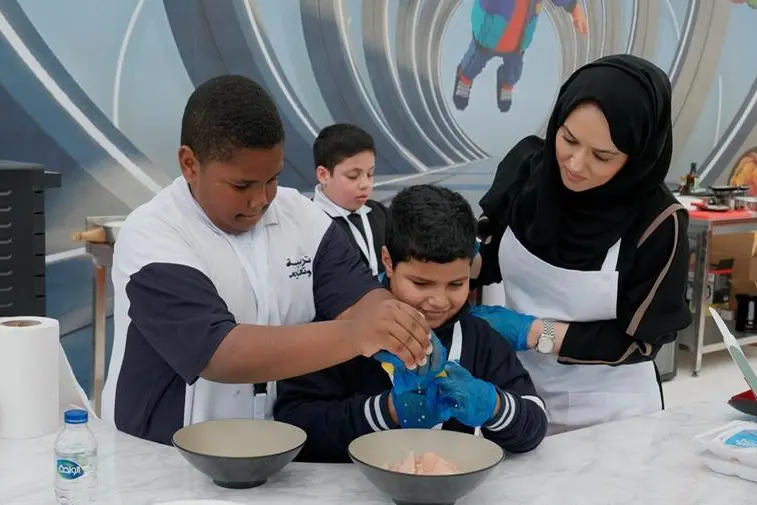
The "Canteen Lab" event began with students tasting foods and exploring flavours, followed by expressing their dietary preferences and analysing their choices.
This led to a hands-on session where they participated in preparing a simple recipe to enhance practical skills, then moved on to designing the dish's presentation and serving style, culminating in a group presentation, discussion, and the final decision-making process for the new school meal.
The lab brought together 80 students, along with 20 teachers and parents, 4 chefs and specialists, and representatives from government and private sector entities.
Healthy food system
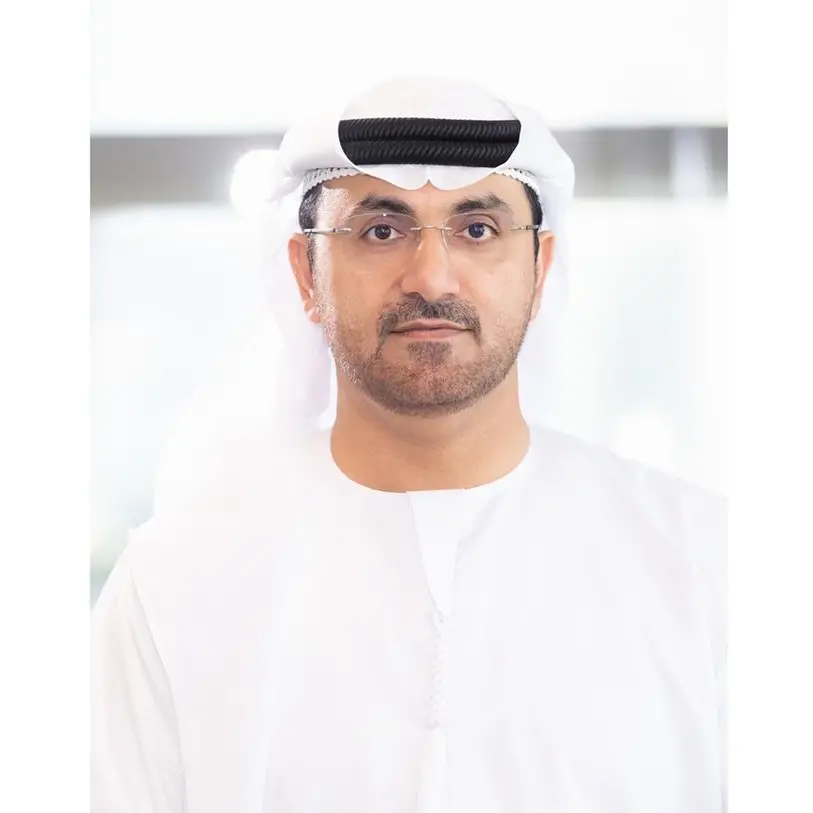
His Excellency Dr. Hussain Al Rand, Assistant Undersecretary for the Public Health Sector at MoHAP, stressed that the School Canteen Lab was designed as a practical model for transitioning from traditional methods to a participatory approach that places the student at the heart of the design and experiential process.
Al Rand clarified that the initiative is part of an institutional approach that links health policies with on-the-ground implementation in schools, creating food environments that encourage healthy habits from an early age. This aligns perfectly with the objectives of the National Nutrition Strategy 2030 and translates them into actionable, impactful practices.
His Excellency added that the Ministry is intensifying its efforts in cooperation with partners to embed the principles of healthy nutrition as a fundamental pillar in preventing non-communicable diseases and supporting the health of future generations.
He noted that investing in the nutrition of children and adolescents is an investment in the very fabric of society's future and its quality of life. This perspective is driven by a core principle: “We must see children not as passive consumers but as conscious partners in shaping their nutritional choices.”
Encouraging healthy choices
For her part, Nouf Khamis Al Ali, Director of the Health Promotion Department at the Ministry, noted that the School Canteen Lab was designed as an interactive experience that motivates students to participate in preparing healthy meals and expressing their opinions. It integrates learning with direct, hands-on experience.
She pointed out that the Lab included symbolic incentives and awards for participating students, which helped foster a spirit of engagement and encouraged food innovation in a way that resonates with their interests.
Al Ali added that the initiative is a step in the right direction towards bolstering health promotion programmes by transforming nutritional awareness into real-world experiences grounded in co-design, leaving a sustainable impact and enhancing the integration of efforts between schools and families. This, in turn, positively reflects on student health and quality of life.