PHOTO
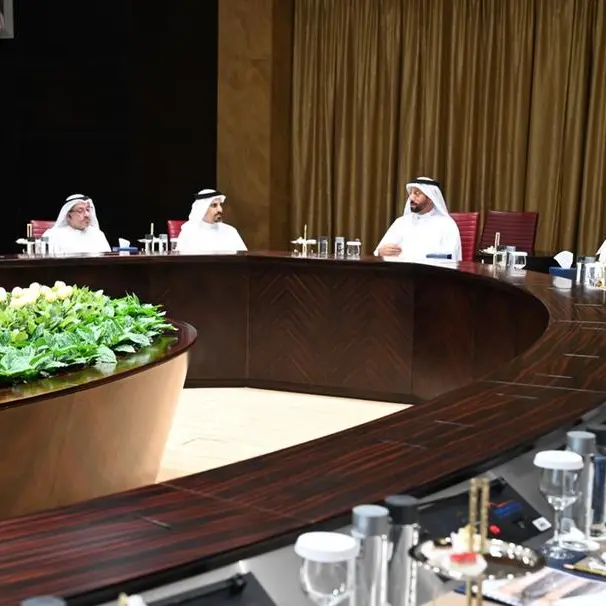
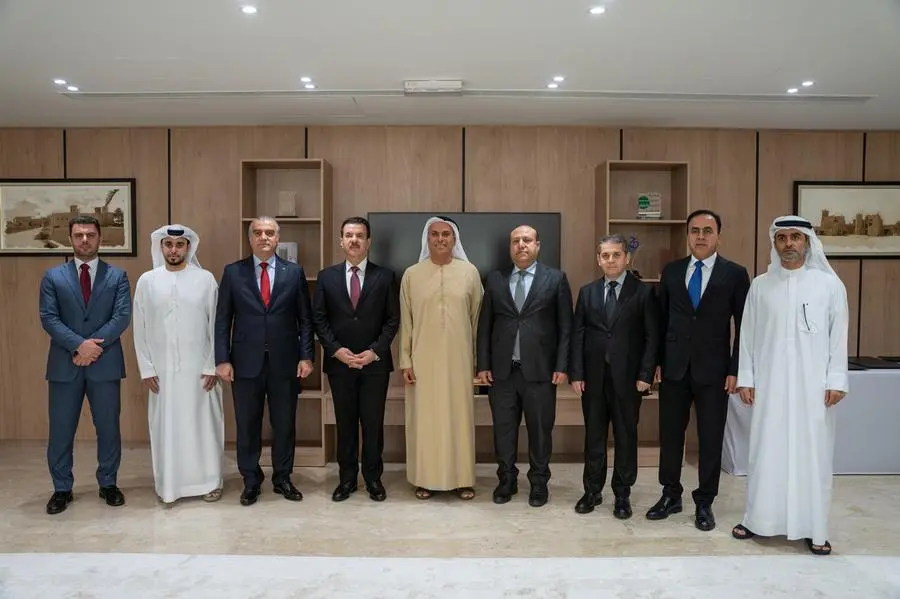
Ajman Chamber and the Ajman Arbitration Centre hosted a delegation from the Kurdistan Federation of Chambers of Commerce & Industry (K-FCCI), Iraq, to strengthen relations, explore avenues for joint cooperation, exchange expertise, and share best practices in the fields of commercial conciliation and arbitration. The meeting also focused on monitoring the latest mechanisms for commercial dispute resolution and highlighting opportunities for economic and investment collaboration.
The delegation was received by Mohammed Rashid Al Suwaidi, Chairman of the Board of Trustees of the Ajman Arbitration Centre, in the presence of Ali Rashid Al Kaitoob, Executive Director of the Studies and Investment Development Sector at Ajman Chamber, and Hindi Obaid Al Matrooshi, Secretary General of the Ajman Arbitration Centre. The visiting delegation was led by Dr. Mohammed Shihab Amin, Chairman of the Higher Supervisory Committee of the Kurdistan Federation of Chambers of Commerce and Industry in the Kurdistan Region of Iraq, and included Gailan Saeed Aziz, President of the Erbil Chamber of Commerce and Industry, along with a number of officials from the Federation of Chambers of the Kurdistan Region and the Erbil Chamber.
At the outset of the meeting, Mohammed Al Suwaidi welcomed the delegation and affirmed that commercial arbitration is a fundamental pillar in enhancing investor confidence, supporting the sustainability of the business environment, and attracting investments. He highlighted the flexible and impartial mechanisms to resolve and settle disputes easily. He further noted that the Ajman Arbitration Centre, under the umbrella of Ajman Chamber, is committed to providing an updated and sophisticated arbitration platform that adopts the best international practices and standards.
Hindi Al Matrooshi, Secretary General of the Ajman Arbitration Centre, provided an overview of the Ajman Arbitration Centre's objectives, which include "providing effective means for dispute settlement, raising awareness in the field of arbitration, and developing national expertise." The delegation was also briefed on the Centre's core functions, including: offering arbitration services, establishing rules and procedures for arbitration and amicable settlement, preparing lists of qualified arbitrators, and organizing specialized seminars, conferences, and training courses.
The meeting recommended the necessity of signing joint agreements to enhance cooperation and expand partnership areas, ensuring the exchange of expertise and knowledge, and developing arbitration and amicable settlement mechanisms between the two sides.
Additionally, Ajman Chamber presented a summary of investment opportunities across various sectors—including industrial, commercial, tourism, educational, health, real estate, services, and construction—and highlighted Ajman’s efforts to create an attractive business environment that supports business growth and sustainability by providing integrated services to facilitate ease of doing business and meet the needs of investors and the business community.
Dr. Mohammed Shihab, for his part, praised the diversity of services offered by the Ajman Arbitration Centre and its advanced expertise and capabilities in commercial conciliation and arbitration, affirming that this will contribute to supporting collaboration prospects and expanding partnership fields between the two parties.
The meeting concluded with an exchange of commemorative shields and gifts, and attendees emphasized the importance of reciprocal visits.