PHOTO
UAE: In a world increasingly defined by fragmentation, geopolitical tension, and competing digital visions, the question of who shapes—and ultimately decides—the digital future has never been more urgent.
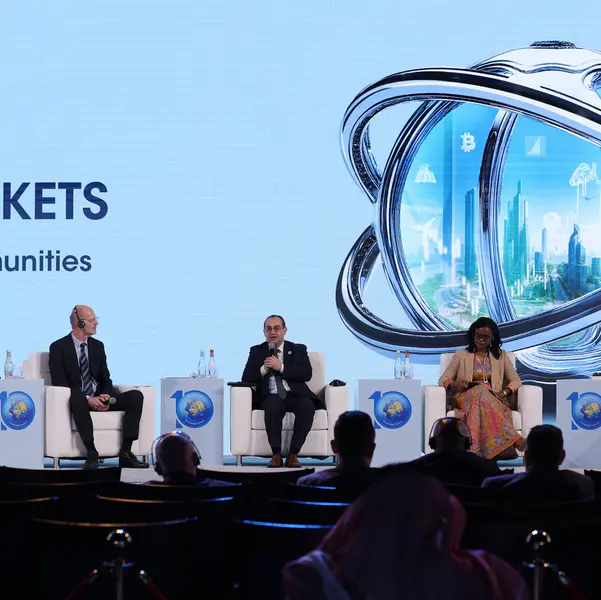
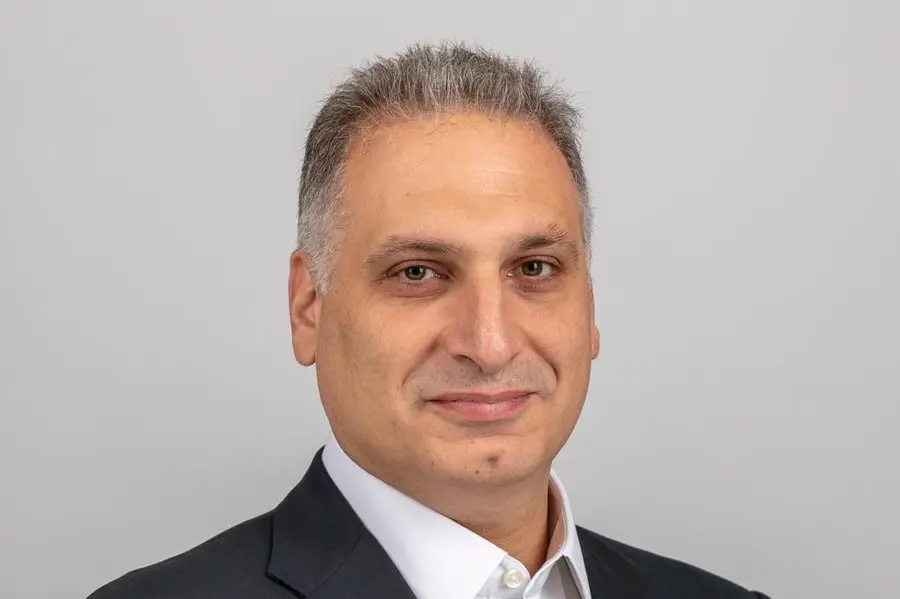
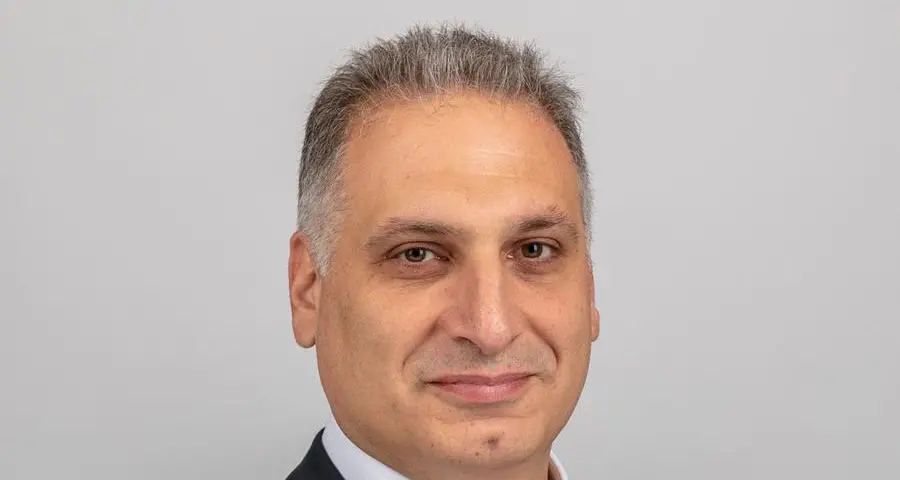
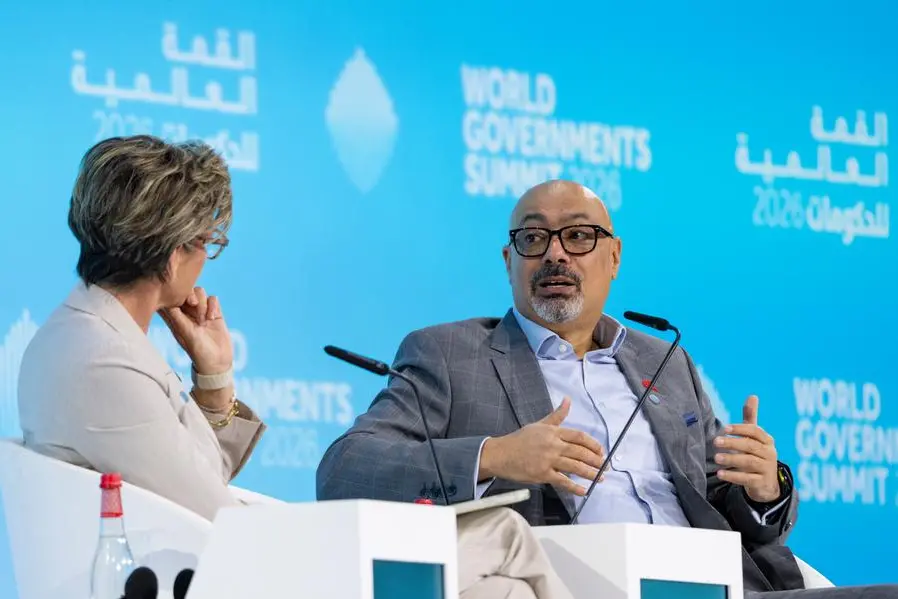
At the World Governments Summit (WGS) 2026, this question took center stage during a session titled “Who Decides the Digital World?”, moderated by Becky Anderson, Anchor and Managing Editor at CNN, featuring Hatem Dowidar, Group CEO of e&, one of the Middle East’s leading technology groups.
Opening the discussion, Anderson framed the global context, describing a fractured environment where trust, cooperation, and shared values are under pressure. Against this backdrop, Dowidar outlined how e& is positioning itself—not merely as a regional telecom operator, but as a global technology enabler with a responsibility to help shape a trusted, inclusive digital future.
“We are a technology leader in the region. We are a pioneer in telecoms. The company this year celebrates 50 years of operation, which puts us among the top tier of old businesses that have been there, but has been reinventing itself,” he said.
He emphasized e&’s history of firsts, noting, “In the region, we were the first to launch 3G technology, 4G technology, and 5G technology. We are also working to develop the new 6G technology. So, we are working with multiple groups to develop the standards for 6G.”
Addressing the roadmap to 6G, Dowidar explained that global standards are expected to take shape by 2028, with early deployments around 2030.
“We have just recently introduced the 5G-Advanced. In the UAE, we call it ‘5.5G’, and that already brings today a lot of the benefits that we will see with 6G,” he said, pointing to ultra-low latency, superfast speeds, and deeper integration with technologies such as Direct-to-Device (D2D) Satellite connectivity.
As the discussion turned to geopolitics and leverage in the digital world, Dowidar noted that decision-marking is built on a “multistakeholder environment”.
“We have sovereign governments that dictate how some of the data and some of the infrastructure work in their governments or within their sovereign territories.”
He added: “We then have the platforms. For example, we have OpenAI, Grok, Gemini, and many others. On the other side, we have DeepSeek and other Chinese technologies that are there but not available everywhere, and some of them are open source, while some of them are constrained,” he explained.
He noted that next in order come the international standards bodies like the International Telecommunication Union (ITU), GSM Association (GSMA), and different other bodies that work on the standards. Then in the end, it is the user.
He also stressed that to see everyone connected across the world, we need to have the affordability factor, achieved by having “ubiquitous worldwide global standards.”
While optimistic about AI-driven prosperity, Dowidar warned that managing workforce transitions will be critical.
Looking ahead, he described a future where telecom operators evolve into broader digital ecosystems, enabling financial inclusion and supporting knowledge economies through AI.
The WGS 2026, which runs for three days until Feb. 5 under the theme “Shaping the Governments of the Future,” brings together more than 60 heads of state and government and their deputies, over 500 ministers, representatives of more than 150 governments, more than 80 international and regional organisations, over 700 CEOs, and more than 6,250 participants from around the world.