PHOTO
Dubai, UAE: Starkey, a global leader in hearing technology, today set out a strategic commitment to work alongside governments and public health authorities across the GCC, the Middle East and Africa to confront one of the region's fastest growing and most neglected health challenges. In the WHO Eastern Mediterranean Region, which spans the GCC, the Middle East and parts of North Africa, 78 million people live with hearing loss today, a figure projected to reach 194 million by 2050.
Unaddressed hearing loss already costs Middle East and African economies an estimated US$27.1 billion a year, part of a global burden approaching US$1 trillion annually in lost productivity, additional educational support, and pressure on health systems. At an individual level it limits education and employment, erodes independence, and is closely linked to cognitive decline and social isolation, with children and older adults the most affected.
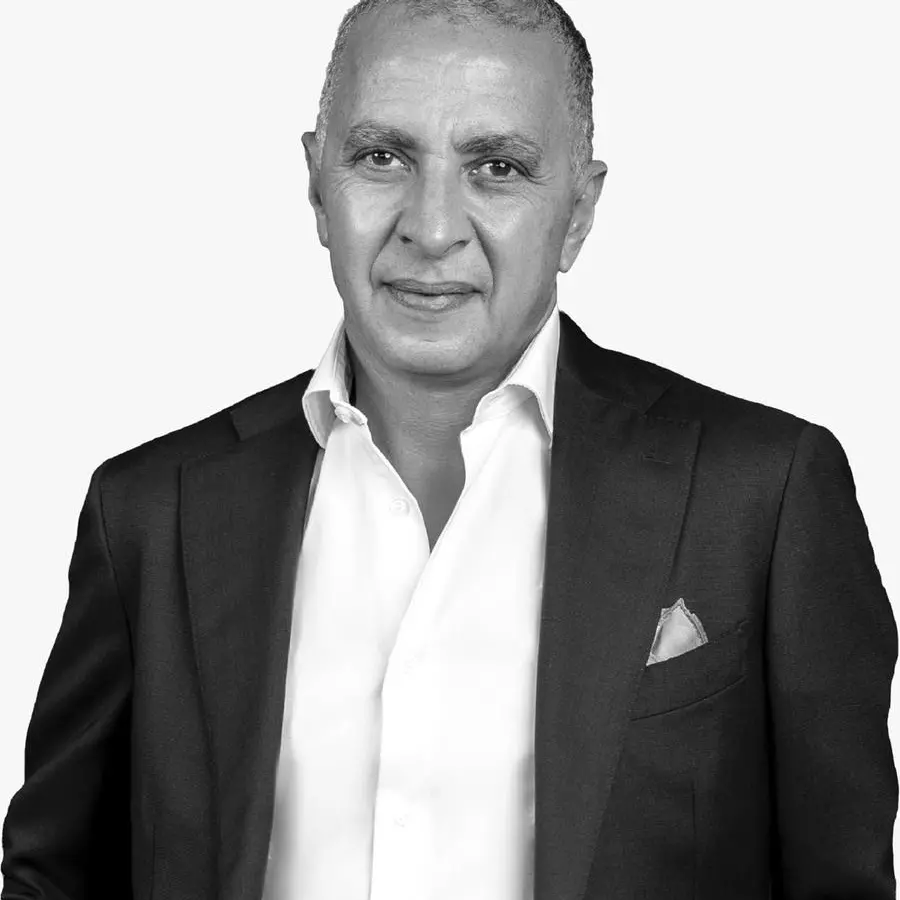
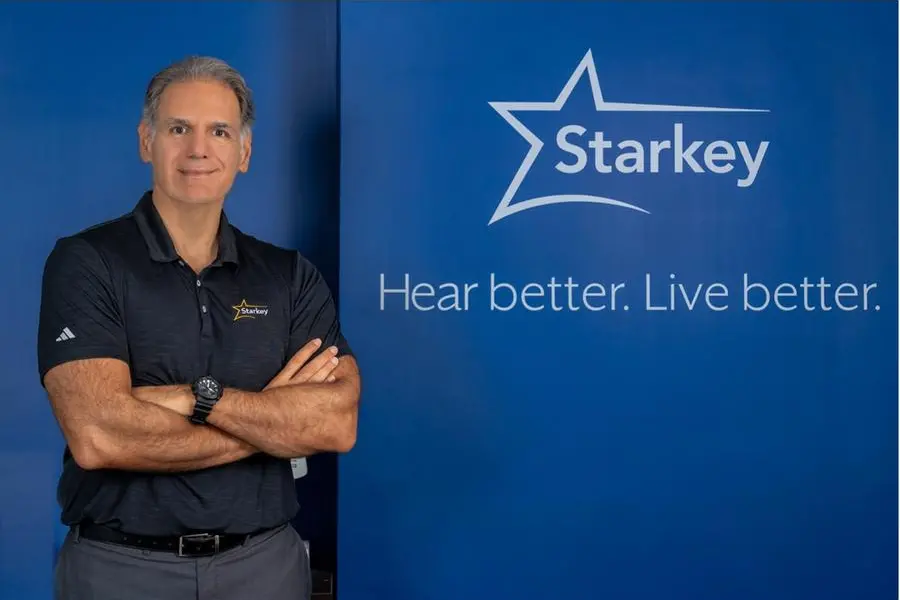
“For too long, hearing loss in our region has been treated as a personal inconvenience rather than the public health priority it is,” said Giscard Bechara, Director, Starkey MEA. “We have engineered the AI technology to change outcomes at scale. What turns that into national impact is government partnership, and that is exactly what we are committing to across the region. Our aim is to work with health ministries across the GCC, the Middle East and Africa to help shape national hearing strategies, from screenings to local audiology capacity, that reach the millions who are currently missed.”
Starkey brings deep technical expertise to that table. The company developed Omega AI, the first hearing platform built on a advanced deep neural network, which analyses the listening environment millions of times per minute and, in clinical testing, delivered up to 28% improved speech intelligibility in challenging settings. The same technology now tracks wider markers of health, from activity and falls to resting respiratory rate, reflecting a growing understanding that hearing care and overall health cannot be separated.
Through these partnerships, Starkey aims to help regional governments embed ear and hearing care into primary health and healthy-ageing programmes, widen screening for children, and train the audiologists and technicians the region urgently needs. The economic argument is compelling.
“This is one of the most cost-effective public health investments a government can make,” added Bechara. “When you give people back their hearing, you give them back their education, their work, and their place in the room. That is a return no country can afford to ignore.”
Starkey is inviting health authorities, hospital networks, and development partners across the region to begin that conversation, and encourages individuals to treat regular hearing screening as a routine part of their healthcare.
About Starkey Laboratories Inc.
Starkey is a privately owned, global leader in hearing innovation, headquartered in Eden Prairie, Minnesota. As the only American-owned provider of advanced hearing technologies, Starkey is known for pioneering digital hearing solutions that combine cutting-edge AI, health tracking, and personalized care. With more than 5,000 employees across 29 global facilities, Starkey serves over 100 markets worldwide. The company is dedicated to transforming lives through better hearing, offering a full ecosystem of hearing aids, software, and connected health services. To learn more, visit, starkeymea.com and starkey.com.