PHOTO
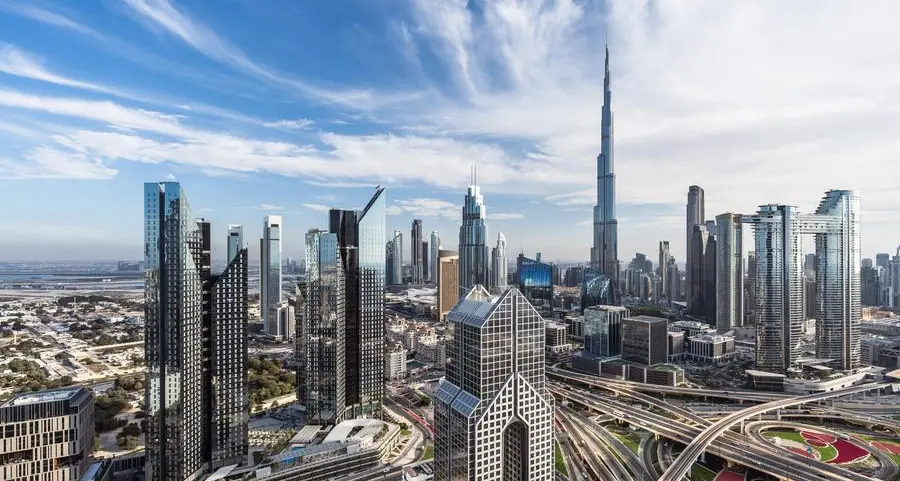
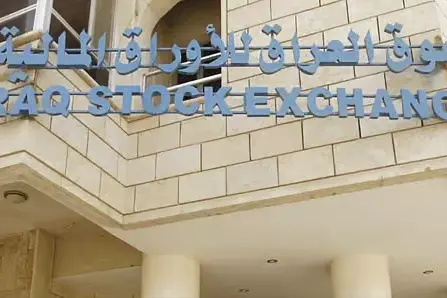
Baghdad, Iraq – The Rabee Securities Iraq Stock Exchange Index (RSISX Index) recorded a 2.6% increase in March, standing in contrast to declines across several regional markets, including Dubai (DFM) (-16.4%), Abu Dhabi (ADX) (-8.9%), Egypt (EGX 30) (-7.9%), Bahrain (BHBX) (-7.8%), Qatar (QSE) (-7.8%), and Kuwait (PR BKP) (-1.6%). The upward movement in the RSISX Index was primarily supported by gains in Bank of Baghdad, Baghdad Soft Drinks, and Al-Mansour Bank, as investor interest remained focused on fundamentally strong companies despite a challenging regional backdrop.
Bank of Baghdad and Al-Mansour Bank also contributed to the 3.1% increase in the RS Iraq Banking Index (RSIBX) during the month, reinforcing the sector’s role as a key driver of market performance. Meanwhile, the RS Iraq Halal Companies Index (RSIHX) rose by 1.4%, supported by the continued positive performance of Baghdad Soft Drinks.
The RSISX Total Return Index (RSISXTR) increased by 3.2% in March, reflecting both price appreciation and income distribution, following Al-Mansour Bank’s decision to distribute a cash dividend of IQD 0.10 per share, corresponding to a yield of 4.7%.
Commenting on market activity, Aysegul Ozge Ozgur, SVP, Head of Research at Rabee Securities, said: “Despite a more complex regional environment throughout March, trading activity on the Iraq Stock Exchange demonstrated notable resilience. Higher trading volumes, even with fewer sessions during the month, reflect sustained investor engagement and a continued focus on sectors with strong underlying fundamentals, particularly banking and consumer-driven businesses.”
Total trading volume on the Iraq Stock Exchange increased by 61% in March compared to February, reaching USD 20.4 million, despite a 15% reduction in the number of trading sessions due to Eid holidays and other closures. Trading activity remained concentrated in the banking sector, which accounted for 40.6% of total volume, followed by hotels and tourism at 37.9%, alongside more moderate contributions from telecom, industry, services, and agriculture. Separately, activity in the over-the-counter market expanded significantly, with total trading volume increasing by 133% month-on-month to USD 704.5 thousand.
Market breadth remained positive, with 35 listed companies recording share price increases during March. Among these, 18 companies posted gains of 5% or more, while seven companies advanced by over 10%. Al-Hamraa for Insurance recorded the strongest performance, rising by 87.7%, followed by National Islamic Bank with a 21.4% increase.
At a macro level, Iraq continues to advance several structural and economic initiatives, including ongoing infrastructure development, regulatory updates aimed at enhancing banking sector liquidity, and continued discussions around foreign investment frameworks. In parallel, parliamentary leadership has scheduled a session for April 11 to elect the country’s president, reflecting renewed efforts to advance government formation following an extended period of political deadlock.
Iraq also maintains a strategic position within global energy markets. According to Visual Capitalist, the country ranked as the second-largest Arab oil producer in 2025, accounting for 5.2% of global output, underscoring its continued importance in global energy supply dynamics.
At the same time, regional geopolitical developments, including tensions involving Iran, the United States, and Israel, continue to introduce elements of uncertainty across markets. While these dynamics may influence investor sentiment in the near term, the performance of Iraq’s market indices in March highlights a degree of resilience and stability supported by domestic fundamentals.