PHOTO
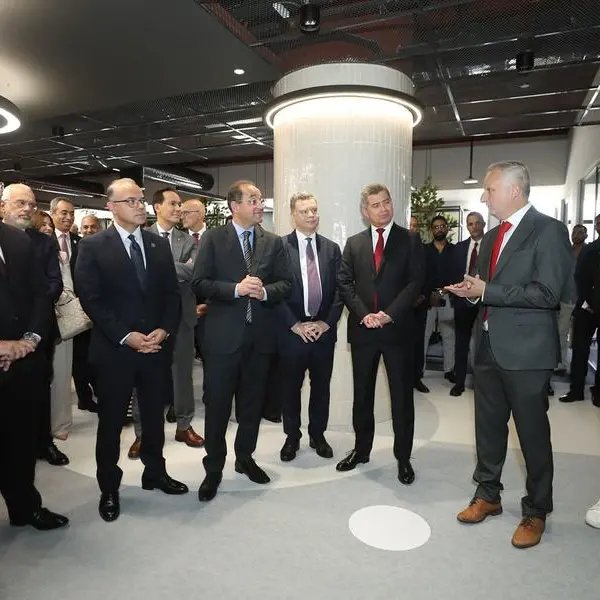
UAE: The Future of Mobility Forum convened as part of the World Governments Summit 2026, with the participation of His Excellency Ðuro Macut, Prime Minister of the Republic of Serbia, and His Excellency Mattar Al Tayer, Director General, Chairman of the Board of Executive Directors of Dubai’s Roads and Transport Authority (RTA).
The forum brought together government representatives, executive decision-makers, and leading experts in technology and mobility from around the world to discuss the rapid changes shaping the transport sector, and to examine the role of innovation, artificial intelligence, and sustainability in redefining mobility systems for the cities of the future.
The forum served as a global platform for exchanging perspectives on policies, technologies, and operational models set to lead the next phase of land and aerial transport development, in a manner that enhances quality of life and supports sustainable development.
Serbia’s Macut delivered a main address at the forum, while the first panel discussion addressed government readiness for Autonomous Intelligence.
Another session, titled “Who Decides Who Moves?”, addressed the role of policymaking in defining the future of inclusive transportation, and a panel discussion titled “Are We Ready for Aviation’s Next Shockwave?” featured Anko van der Werff, CEO, Scandinavian Airlines; Deborah Flint, President and CEO, Greater Toronto Airports Authority; Roberto Alvo, CEO, LATAM Airlines Group; and Abdelhamid Addou, CEO, Royal Air Maroc.
In his opening address at the forum, His Excellency Mattar Al Tayer welcomed the forum’s participants and said, “The world is at a pivotal moment where mobility is no longer merely about moving from one place to another, but has become a reflection of how cities live, grow, and respond to economic, technological, and environmental transformations. With more than half of the global population already residing in urban areas—and this share projected to rise to 70% by 2050—the scale of pressures, challenges, and opportunities associated with how people move continues to intensify.”
Smart and Advanced Solutions
Al Tayer added, “Mobility systems worldwide are undergoing a comprehensive transformation driven by advanced technologies, a firm commitment to sustainability, and bold leadership. Dubai stands among the leading cities that have translated this transformation into reality. We have moved beyond traditional transport models to adopt smart and advanced solutions, including autonomous vehicles, which are set to become an integral part of the city’s daily life.”
His Excellency Mattar Al Tayer said: “Sustainability plays a pivotal role in the transition towards zero-emission transport, while artificial intelligence contributes significantly to improving traffic efficiency, advancing infrastructure, and enhancing safety levels. Autonomous systems also offer strong potential to deliver safer and more inclusive mobility for all segments of society.”
“Dubai does not merely keep pace with global mobility transformations—despite residents allocating more than 9% of their income to mobility—but actively contributes to shaping them through the adoption of smart and advanced solutions. We apply early foresight to anticipate future needs and have positioned Dubai as a global living laboratory for the future of mobility.”
He stressed that “Dubai is preparing for a new phase in the mobility ecosystem, where a significant share of trips will be autonomous, taxis and buses will operate on clean energy, and pedestrian pathways, cycling tracks, and soft mobility options will support the vision of a 20-minute city. At the same time, we are introducing new modes of transport on the ground and in the air to further strengthen urban connectivity and enable seamless movement across the city.
The WGS 2026, which runs for three days until Feb. 5 under the theme “Shaping the Governments of the Future,” brings together more than 60 heads of state and government and their deputies, over 500 ministers, representatives of more than 150 governments, more than 80 international and regional organisations, over 700 CEOs, and more than 6,250 participants from around the world.