PHOTO
Mr Nabeel Kanoo:
- The cohesion of the bloc and the integration of its expertise represent a solid foundation for leading the next phase with stability and efficiency.
- The programme was developed following intensive consultations within the bloc and with representatives from various economic sectors, to shape a practical and implementable vision.
- The bloc will operate in line with an institutional approach that strengthens governance and reinforces the Chamber’s role as a partner in legislation and economic policymaking.
Broad electoral participation by business owners is a guarantee of the Chamber’s strength, independence of decision-making, and genuine representation of the private sector.
- Supporting and growing start-ups and SMEs at the forefront of priorities.
- Strengthening the private sector’s contribution to shaping Bahrain Economic Vision 2050.
Manama, Kingdom of Bahrain: The Estidamah Bloc affirmed that its electoral programme is based on an integrated institutional vision aimed at strengthening the role of the Bahrain Chamber and activating its representation of the private sector.
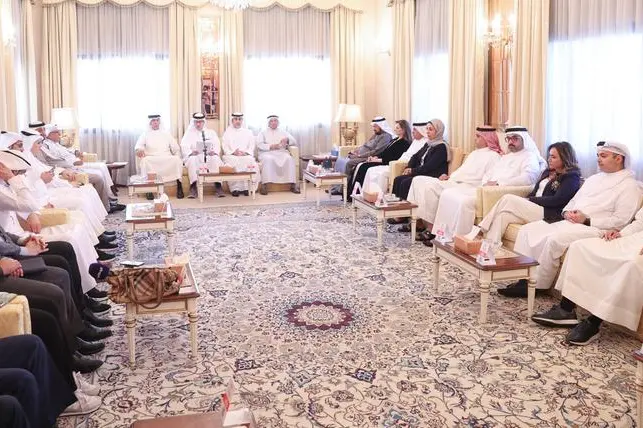
This was highlighted during its meeting with representatives of the press and media at Kanoo Majlis, where the bloc was keen to present its programme within a framework of direct dialogue that reflects its commitment to transparency and openness to public opinion.
During the meeting, the bloc outlined the key pillars of its programme, stressing that the next phase requires cohesive institutional work built on clear priorities, enhanced performance efficiency and the activation of the Chamber’s role as a unifying platform for various economic sectors. It also noted that the cohesion of its members and the integration of their expertise across diverse sectors formed a strong foundation in shaping the programme, reflecting a shared vision and clear objectives that move beyond individual approaches towards structured collective work.
An Institutional Vision that Enhances Governance and Expands Participation
In this context, Mr Nabeel Kanoo, Head of the Bloc, explained that the programme was the result of intensive consultations within the bloc and with representatives from various economic sectors, to formulate a practical and implementable vision that enhances the Chamber’s position as a well-established institution.
He emphasised that the priority in the coming phase will be to reinforce governance, develop working mechanisms, and strengthen coordination between the Board of Directors and sectoral committees, enabling these committees to play a more effective role in studying challenges, submitting recommendations, and formulating initiatives.
Furthermore, Mr Kanoo stressed that the Chamber must continue its approach of cooperation with both the legislative and executive authorities, thereby reinforcing its role as a partner in drafting legislation and economic policies relevant to the private sector, and ensuring that traders’ perspectives are conveyed through an organised and institutional framework that contributes to meeting their aspirations and enhancing the competitiveness of the national economy.
He noted that the Chamber is required to serve as a genuine umbrella that reflects the diversity of the private sector, highlighting that this calls for a management approach based on consensus and integration, while strengthening trust between the Chamber and its members.
Mr Kanoo also underlined the importance of broad participation by business owners in the upcoming elections, considering it a key factor in enhancing the legitimacy of decisions and strengthening private sector representation. He noted that expanding the participation base directly strengthens the Chamber’s influence and the independence of its role across various economic issues.
He further stated that the next phase requires a Board of Directors that operates with a clear vision, capable of keeping pace with economic developments and strengthening communication channels with relevant stakeholders, ensuring an effective presence for the Chamber in discussions related to economic policies and legislation affecting the private sector.
Empowering Businesses and Strengthening Partnership in Shaping the Future
For his part, Mr Mohammed Al Kooheji affirmed that the electoral programme focuses on strengthening the Chamber’s independence and reinforcing its influential presence in economic decision-making, in a manner that reflects the interests of its members and strengthens its role as an institutional representative of the private sector.
He explained that empowering micro, small and medium-sized enterprises is a top priority, through the development of more specialised support mechanisms within the Chamber, activating the role of sectoral committees, and launching training and export initiatives that enhance their ability to grow and compete.
Mr Al Kooheji also emphasised the importance of enabling the private sector to contribute effectively to shaping Bahrain Economic Vision 2050, ensuring alignment between long-term strategies and market needs and aspirations, stressing that the cohesion of the bloc and the integration of its expertise enhance its ability to work as a unified team and make balanced decisions that serve the broader interests of traders.
The Sustainability Approach: Continuity in Building and Enhancing Performance Effectiveness
Through their responses to questions from media representatives, the bloc confirmed that its approach is based on building upon existing achievements, while developing working tools and enhancing performance effectiveness in line with national economic developments and the challenges of the next phase.
Bloc members stated that the electoral programme reflects a commitment to strengthening the institutional role of the Chamber, expanding participation, and enhancing engagement with its members.
They also announced the bloc’s intention to organise a series of regular meetings with business leaders of all sectors and all sizes of companies in the coming period, aimed at strengthening direct communication, listening to challenges and developing joint solutions that support market stability and growth.
Introducing the Members of Estidamah
The media gathering included a comprehensive introduction to the bloc’s members, who represent an integrated economic fabric. The list includes a distinguished group from longstanding business families, alongside MSME owners and young entrepreneurs, reflecting a vision based on the integration of experience and innovation to ensure the representation of all segments of the private sector.
The meeting concluded with an emphasis that the next phase requires electoral awareness and active participation from all business owners to ensure a Board of Directors capable of representing the private sector with efficiency and responsibility, and strengthening the Chamber’s role as a key partner in supporting economic development in the Kingdom.