PHOTO
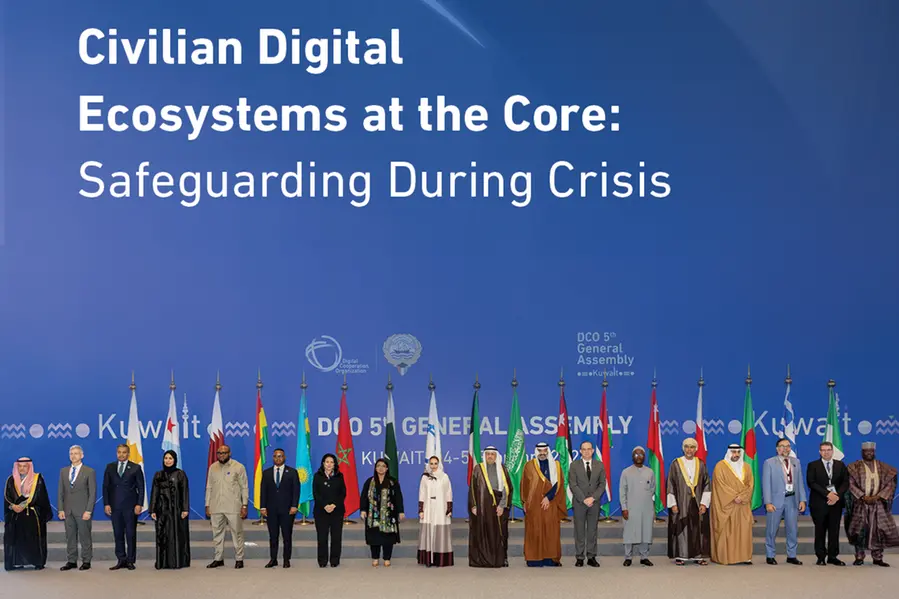
Riyadh, Saudi Arabia – Digital Cooperation Organization (DCO), the world’s first standalone international organization focused on accelerating inclusive and sustainable digital economy growth, launched its report titled “Civilian Digital Ecosystems at the Core: Safeguarding During Crisis” as part of its efforts to advance international digital cooperation and support the development of trusted, resilient, and people-centered digital ecosystems.
The report examines the growing risks facing civilian digital ecosystems during crises, including the manipulation of emergency-related information, impersonation of official channels, the spread of AI-generated and misleading content, and cyber incidents targeting digital infrastructure. It also presents a framework for coordinated action aimed at strengthening the resilience, continuity, and trustworthiness of the civilian digital systems and services relied upon daily by millions of people.
The report emphasizes that the protection of civilians has long been a fundamental obligation under international law, and that this responsibility must now extend to the digital realm amid the growing dependence on digital systems, including infrastructure to deliver critical civilian services. The report was developed as a practical reference for governments, international organizations, businesses, academic institutions, digital platforms, and civil society organizations, calling for immediate and collective action to safeguard civilian digital ecosystems through enhanced international cooperation and multistakeholder coordination.
The report identifies four key tracks for collective action:
- Ensuring the resilience of Civilian Digital Infrastructure
- Protecting and strengthening public trust
- Sharing emerging knowledge and information
- Ensuring digital services continuity and resilience
Commenting on the launch, Ms. Deemah AlYahya, Secretary-General of the DCO, said: "Crises today do not stop at physical borders. They extend into the digital systems on which civilian life depends. When those systems falter, the consequences are severe and immediate. Safeguarding civilian digital ecosystems is no longer solely a technical priority; it has become a societal and developmental imperative. One that cannot wait for the next crisis to materialize.”
“This report offers governments and stakeholders a practical framework to move from fragmented responses toward coordinated action. Protecting the continuity, integrity, and trustworthiness of these systems is a shared responsibility, and meeting it now will protect people, economies, and institutions when it matters most,” She added.
The organization called on all relevant stakeholders, including governments, to build on the findings of the report as a basis for immediate collective action, reaffirming its readiness to support stakeholders through data-driven insights, practical policy guidance, and digital tools and initiatives, including the Digital Economy Navigator (DEN), alongside its growing multistakeholder ecosystem of Observers and Partners.
For more information and to access the full report, please visit: https://dco.org/civilian-digital-ecosystems-at-the-core-safeguarding-during-crisis/
About the Digital Cooperation Organization (DCO)
The Digital Cooperation Organization (DCO) is the world’s first standalone international intergovernmental organization dedicated to accelerating the growth of an inclusive and sustainable digital economy. Founded in 2020, the DCO brings together the Ministries of Communications and Information Technology of its 16 Member States, representing nearly 3.5 trillion in GDP and a combined market of over 800 million people, more than 70% of whom are under the age of 35.
The DCO works with governments, the private sector, civil society, and international organizations to promote digital inclusion, enable cross-border data flows, empower women and youth, and support entrepreneurs and SMEs. It facilitates coordinated digital policies across borders and holds observer status with the United Nations General Assembly and other global bodies.
For more information, including the complete list of Member States and access to DCO’s digital tools, visit www.dco.org or follow @DCOrg on Twitter and LinkedIn.
For media enquiries, please contact media@DCO.org