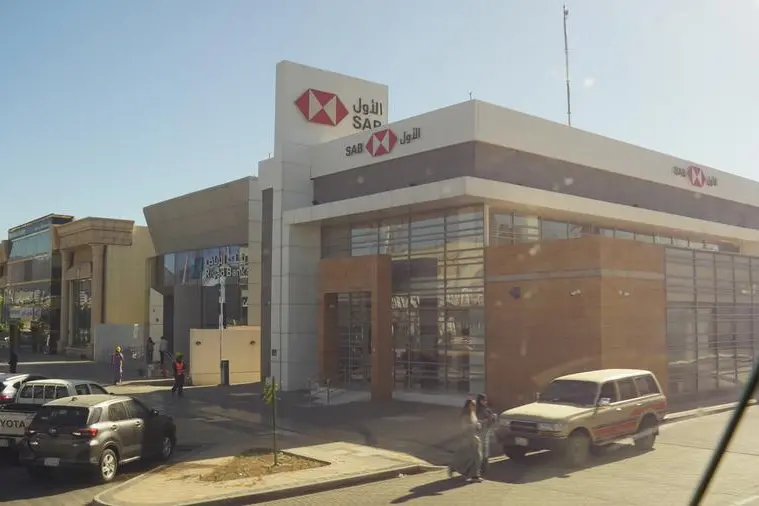
With landmark building projects both in the Middle East and other arid environments gaining global attention, the new Chartered Institution of Building Services Engineers (CIBSE) publication 'Building for extreme environments: Arid' is timely. The rate of development of the built environment in the world's hot desert and semi-arid areas is increasing, and brings with it specific challenges that need to be embraced in modern building solutions.
As 'Building for extreme environments: Arid' is climate-zone driven, guidance within the publication can be applied to building engineering in different parts of the world. Compiled by an international steering group of experts in their respective fields, it incorporates chapters looking at the arid climate; basic design data; building design and construction materials; equipment design data; and sustainability.
The new publication encourages an integrated design approach to building engineering in this climate zone. It also acknowledges issues such as sourcing materials, waste management and the logistical challenges that working within the more remote regions that this climate zone embraces can bring.
'Building for extreme environments: Arid' is the first of a three part series which will be available from CIBSE offering guidance on building design in particularly challenging environments; others will examine building design in 'Polar' and 'Tropical' climates.
With an ever-increasing number of CIBSE members working on international projects, or being based in locations unfamiliar to them, these documents have been designed by CIBSE to provide an introduction to topics that might be unfamiliar and to provide information upon which reasoned judgments may be made or lead to further research to be undertaken in support of their professional duties.
This new guidance is an important contribution to CIBSE's efforts to make a positive difference to the built environment in the Gulf region. Lead author of the publication, AECOM's UAE-based Sean McKeag said: "Before I first came here in 2007, from Melbourne, I researched design guidance for the Middle East and came across the original CIBSE TM04*. After six years working here in the GCC, the opportunity to contribute to this new publication was an opportunity to share with other CIBSE members the latest insight and knowledge on working in this specific type of environment."
During the last few years CIBSE has invested in a series of resources which aim to assist building professionals in considering weather and climate change in the design and running of their buildings. 'Design for Future Climate - Case Studies' presents current practice and understanding of carrying out building adaptation strategies, rather than commenting on best practice. Guidance that is also available includes: 'Probabilistic Climate Profiles' (ProClips), 'TM55: Design for Climate Change' and 'TM52: The Limits of Thermal Comfort - Avoiding Overheating in European Buildings'.
This wealth of information exemplifies CIBSE's key role in providing guidance on the impact of future climate on building designs. Guidance is available by visiting www.cibse.org/knowledge and is free to CIBSE members.
In his inaugural Presidential Address, new CIBSE President Peter Kinsella who is based in Australia, called for global responses to global challenges. This new publication exemplifies Peter's challenge to members that through the expertise, experience and networks that CIBSE provides building services engineers can help to deliver a built environment that meets the challenges of the years to come. The complete text of the Presidential Address can be found here
-Ends-
Reference copies of the publication 'Building for extreme environments: Arid' are available for review.
*CIBSE's 'TM04: Design notes for the Middle East' was published in 1990. With the effects of climate change becoming better understood and the need to embrace relevant engineering solutions more necessary, a review became long overdue. In examining what would be appropriate, a publication that embraced the world and environments beyond the confines of the Middle East became an obvious step forward.
About CIBSE
CIBSE publishes Guidance and Codes which provide best practice advice and are internationally recognised as authoritative design guidance for building services. The CIBSE Knowledge Portal, which makes Guidance available online to all CIBSE members, is the leading systematic engineering resource for the building services sector.
CIBSE members design, install, operate, maintain and refurbish the energy using systems installed in buildings, and also make a significant contribution to the thermal design of building envelopes.
CIBSE is a professional body that exists to 'support the Science, Art and Practice of building services engineering, by providing our members and the public with first class information'.
The monthly CIBSE Journal is the leading monthly magazine for building services and related professionals internationally which is also available online and via the app. For more information about the Institution please visit www.cibse.org
PRESS OFFICE SERVICE - Samantha Dawe or Kate Stewart, The Think Tank T: 020 7831 2225 Email: samanthad@thinktank.org.uk or kates@thinktank.org.uk
© Press Release 2014