PHOTO
The demand for gold worldwide excluding over-the-counter (OTC) trading weakened year-on-year in the third quarter of 2023, falling 6% short of 2022 figures as central bank purchases fell compared to last year.
Demand from central banks hit 1,147.5 metric tonnes between July and September, 8% ahead of its five-year average, but the figure still fell short of the Q3 2022 total of 1219.2 tonnes.
The WGC said in its quarterly trends report that net central bank buying of 337 tonnes was the third strongest quarter in its data series, although it failed to match the 459 tonnes figure from Q3 2022.
Demand from central banks year-to-date was 14% ahead of the same period last year at 800 tonnes.
The People’s Bank of China (PBoC) regained the title of the largest buyer globally, increasing its gold reserves by 78 tonnes during the quarter, with its gold holdings reaching 2,192 tonnes since the start of the year, equivalent to 4% of total reserves, WGC said.
The National Bank of Poland (NBP) continued its buying spree in Q3, adding a further 57 tonnes to the 48 tonnes it bought in Q2, followed by Turkey with its gold reserves recovering to 668 tonnes following purchases of 39 tonnes in Q3.
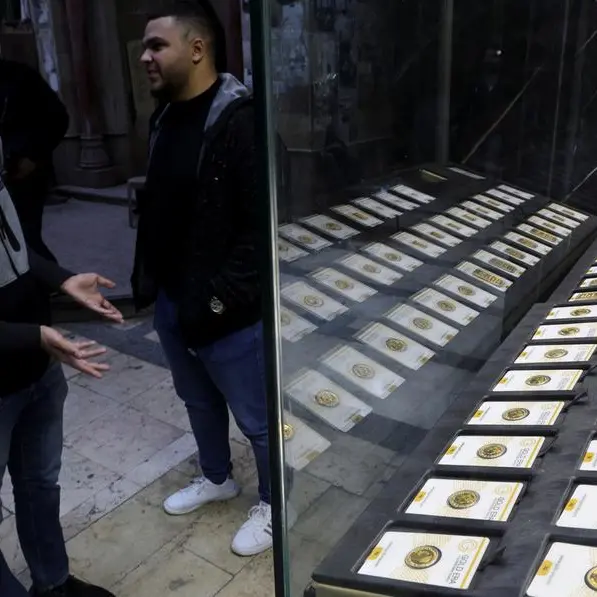
Bar and coin investment declined 14% year-on-year to 296 tonnes, although it remained above the five-year quarterly average of 267 tonnes.
The year-on-year decline was attributed to sharp falls in Europe.
The sector’s H1 strength was buoyed by investments from the Middle East, Turkey, and China, the report added. Gold ETFs lost 139 tonnes in Q3, however in a smaller outflow than Q3’22’s -244 tonnes.
Investment demand for Q3 was 157 tonnes, although 56% higher YoY, was weak relative to its five-year average of 315 tonnes.
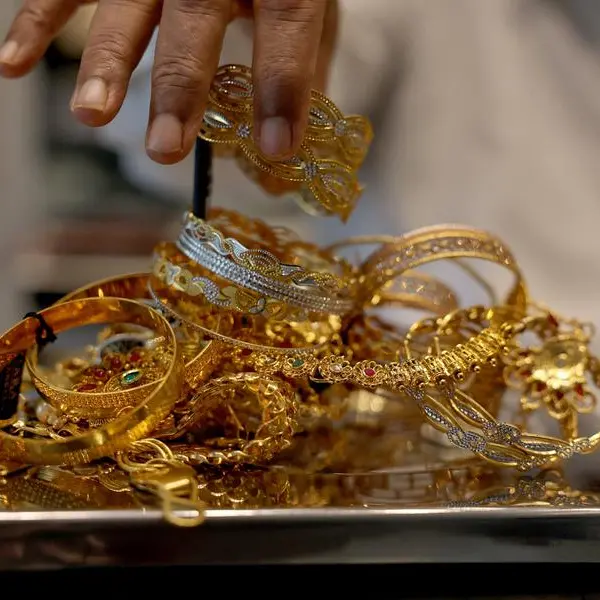
Jewellery demand softened slightly in the face of high gold prices, down 2% year-on-year at 516t amid continued gold price strength.
“Gold demand has been resilient throughout this year, performing well against the headwinds of high interest rates and a strong US dollar. Our report shows that gold demand is healthy this quarter, compared with its five-year average. Looking forward, with geopolitical tensions on the rise and an expectation for continued robust central bank buying, gold demand may surprise to the upside,” Louise Street, Senior Markets Analyst at the World Gold Council, said in a statement.
This buying streak from central banks is expected to stay on course for the remainder of the year, according to WGC, indicating a robust annual total in 2023.
(Writing by Bindu Rai, editing by Seban Scaria)