PHOTO
LONDON - Global oil markets faced multiple black swan events in 2025 – including the Israel-Iran war and Ukrainian strikes on Russian refiners – yet they were barely fazed. This calm may be the new normal in an era of energy abundance, even as the world becomes a more dangerous place.
By any measure, 2025 was a chaotic geopolitical year, dominated by President Donald Trump’s return to the White House in January and his blitz of policy, trade and diplomatic initiatives. A most pivotal moment for energy markets came on June 12 when Israel bombed military, government and nuclear sites across Iran.
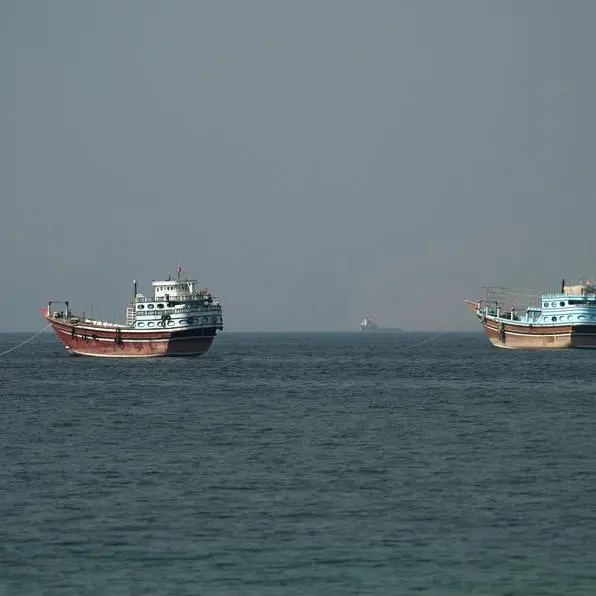
The U.S. joined on June 22 with "Operation Midnight Hammer," targeting Iran's fortified nuclear facilities. A U.S. strike on Iran had long been among the top "doomsday scenarios" for oil traders. If attacked, the Islamic Republic was expected to retaliate by attempting to block the Strait of Hormuz, a narrow sea lane in the Gulf through which nearly a fifth of the world's oil and gas supplies are shipped. The mere threat of such a cataclysmic event would cause oil prices to blow out into triple-digit territory, or so the theory went. While the start of the 12-day Israel-Iran war did see the crude oil volatility index spike to its highest point since early 2022, when Russian tanks first rolled into Ukraine, the oil price responded with remarkable composure this time around.
Global benchmark Brent crude futures rose from $69 a barrel on June 12 to a peak of $78.85 a week later, before rapidly dropping to their pre-war levels by June 24, when Israel and Iran agreed on a U.S.-brokered ceasefire. Even then, prices remained below their 2025 high.
JADED OIL MARKETS
Oil futures in 2025 have oscillated within a relatively narrow range between $60 and $81, based on their daily closing value, with the high coming in January before the Organization of the Petroleum Exporting Countries began production increases.
Importantly, that range is narrower than in the previous year. For comparison, prices spiked from around $70 in December 2021, when Russia – the world's third-largest oil producer – started amassing military forces on the border with Ukraine, to nearly $130 by March 8, two weeks after the start of the invasion. And prices stayed above pre-invasion levels for nearly a year. The 2022 rally was mostly driven by expectations that Western sanctions on Moscow would significantly constrain its oil exports, but those fears never materialized.
That may partly explain why prices were less twitchy this year. When Ukraine began attacking Russian oil refineries and export terminals in April, prices barely reacted, even while refining margins surged on fears of diesel shortages. Similarly, Trump’s sweeping sanctions on Russia’s top two oil companies Rosneft and Lukoil, which together account for 5% of global crude production, elicited only a limited and short-lived price rally in October.
THE AGE OF PLENTY
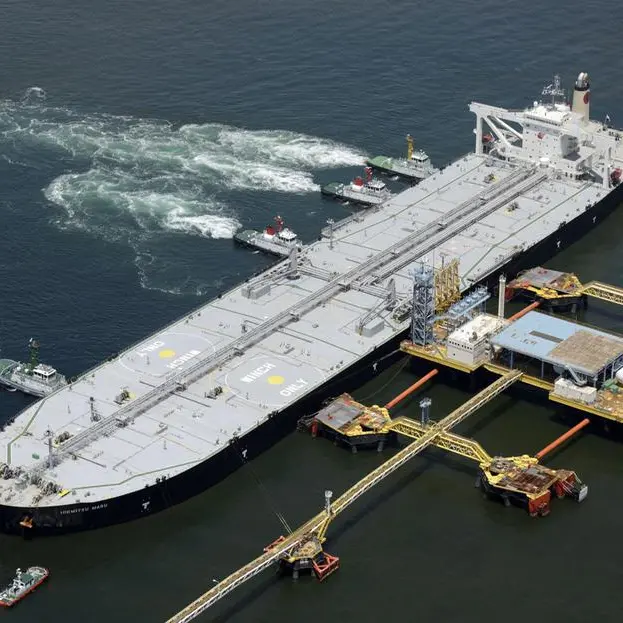
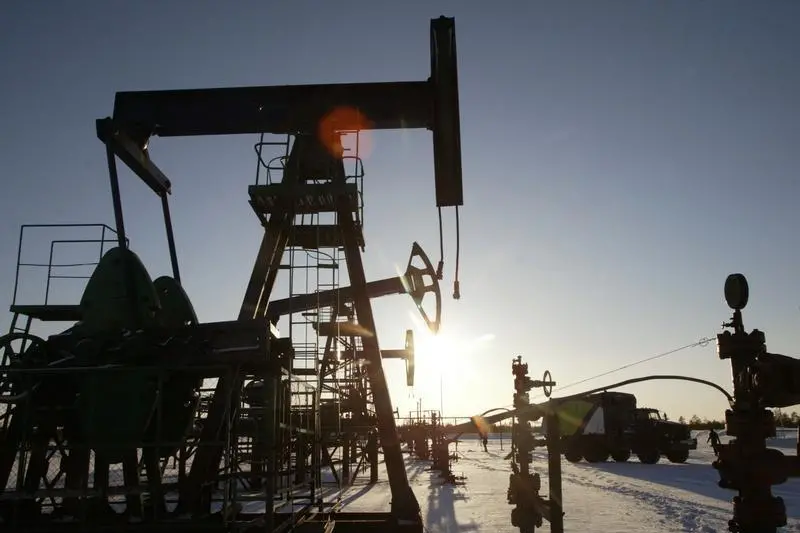
The main reason energy markets have been so calm is pretty straightforward: there is a ton of oil and gas sloshing around the world. The U.S. led the ramp-up in supplies over the past decade, becoming the world's largest producer and exporter of oil and liquefied natural gas (LNG), with its crude production climbing to a record 13.84 million barrels per day (bpd) in September, thanks to growth in the Permian shale basin and the Gulf of Mexico. OPEC and allied producers including Russia and Kazakhstan, known collectively as OPEC+, also increased output throughout 2025 after reversing years of production cuts aimed at supporting prices. Non-OPEC countries in the Americas - Argentina, Canada, Brazil and Guyana - have boosted output as well. The International Energy Agency expects this robust production growth to create a massive oversupply of nearly 4 million bpd in 2026, which could extend into the following year.
That’s because prices remain sufficiently strong for U.S. shale and other producers to maintain or even grow output, given advancements in drilling technology. Furthermore, OPEC+ has indicated that it expects to accelerate investment to expand output capacity for years.
CALM BEFORE THE STORM?
But complacency could be its own risk. Howard Marks, the founder of Oaktree Capital Management, the world's largest distressed debt investor, famously said that “risk is highest when it’s perceived to be lowest.” Indeed, OPEC could reverse its production hikes in the face of rising global supplies, while speculation of a new confrontation between Israel and Iran could add further tension.
But for energy markets to be truly spooked, there will need to be a genuine change in physical volumes. In an age of ample supplies, geopolitical fears are no longer enough.
Want to receive my column in your inbox every Monday and Thursday, along with additional energy insights and links to trending stories? Sign up for my Power Up newsletter here. Enjoying this column? Check out Reuters Open Interest (ROI),your essential new source for global financial commentary. ROI delivers thought-provoking, data-driven analysis. Markets are moving faster than ever. ROI can help you keep up. Follow ROI on LinkedIn and X.
(Ron Bousso, Editing by Anna Szymanski and Marguerita Choy)