PHOTO
BEIRUT: The UK delivered 238,530 pieces of personal protective equipment to Lebanon Thursday after the blast at Beirut Port wrecked the country's supply, according to a press release from the British Embassy.
The PPE includes face masks, coveralls, gloves, goggles and gowns that will be given to the World Health Organization to distribute to hospitals.
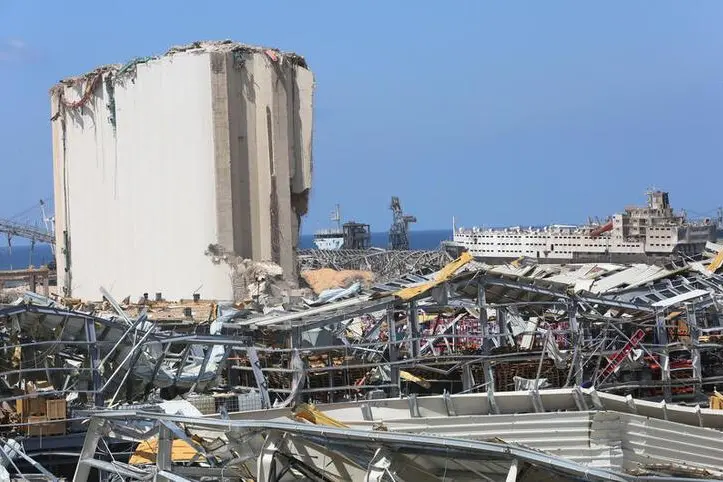
The aid has arrived just over two weeks after a huge blast at Beirut Port ripped through the capital causing over 180 deaths, at least 7,000 injuries and huge damage to the port and the surrounding residential areas of Beirut.
Most international aid has focused on medical supplies for the victims of the blast and on delivering food. However, the British Embassys press release calls attention to the impact of the blast on Lebanon's coronavirus PPE.
The press release says that 10 of the 17 containers destroyed at the port contained PPE and medical supplies.
The devastating explosion in Beirut has caused a crisis within a crisis. The UK is sending urgent medical PPE to protect overstretched medics on the frontline of the coronavirus pandemic, who are now also having to treat victims of the blast, British International Development Secretary Anne-Marie Trevelyan said.
The press release said that it hoped that the PPE, aside from helping tackle the virus, would allow the Lebanese to focus on mending Beirut and the wider economy.
The tragic explosion at Beirut Port could not have come at a worse time, with the country in the depths of a socio-economic crisis, British Ambassador Chris Rampling said.
Lebanons economy has collapsed since last year, a ESCWA report published Wednesday said that as of May 2020 55 percent of the population lived in poverty, almost double the percentage of people in poverty in 2019. The blast will only add to Lebanons economic woes, the Lebanese President Michel Aoun estimated that the blast caused $15 billion in damages
The economic crisis hasnt spared Lebanons once highly regarded health care sector, with many hospitals laying off staff and reducing wages. The devaluation of the Lebanese pound has added the financial woes of hospitals, who import the vast majority of their medicine and medical equipment.
The head of the Order of Nurses in Lebanon Dr. Mirna Doumit told The Daily Star in July that between 35 and 40 percent of the 9,000 nurses working in the country have been laid off since November 2019. As hospitals contend with a multitude of issues, the daily new cases of coronavirus have dramatically risen since July.
Wednesday Lebanon confirmed a record 589 new cases of coronavirus, bringing the total above 10,000. Caretaker Health Minister Hamad Hasan warned Monday that Lebanons hospitals cannot absorb the surge.
Hasan explained in an interview with Voice of Lebanon radio that in Beirut most COVID-19 intensive care units and wards in public hospitals are full, and that a similar situation is to be found in most private hospitals.
In order to stem the spread of the virus, Lebanon is entering a two-week lockdown Friday.
Copyright 2020, The Daily Star. All rights reserved. Provided by SyndiGate Media Inc. (Syndigate.info).