PHOTO
14 March 2016
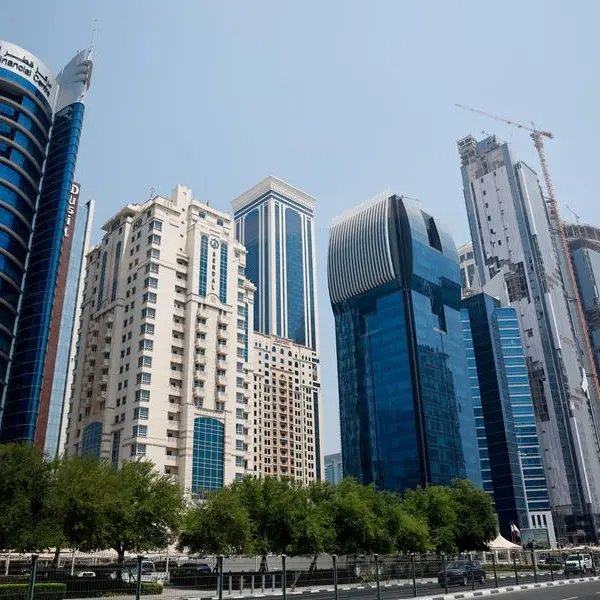
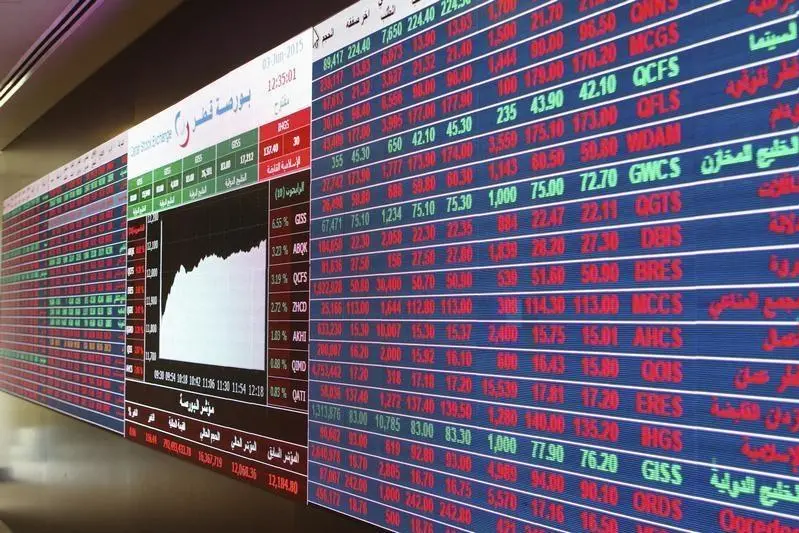
DOHA: Despite a considerable reduction in oil and gas revenues, Qatar seems to be holding on to its position as one of the fastest growing economies in the region and the Middle East due to continued government spending on infrastructure and tourism projects, in addition to Qatar's fiscal buffers and sizeable assets.
The country's position as one of the most financially secure economies; anchored by long-term liquefied natural gas (LNG) contracts and robust financial reserves, Qatar will remain relatively strong over the next two years, Faithful+Gould, a subsidiary of the region's leading consulting firm Atkins Group , noted yesterday.
Mark Aigner; Country Director for Qatar at Faithful+Gould said "Despite the drop in oil prices Qatar is going to remain relatively strong over the next two years and Qatar's spend on physical infrastructure is estimated at $200bn between now and 2022 however most are unaware that only 10 percent of this spend is dedicated to preparing for 2022 World Cup leaving the remainder; a significant amount which has been allocated to infrastructure projects in transport, building up urban areas, housing, health and education. And unlike western cities that have been around for hundreds of years, developing cities in the Middle East have the rare opportunity to design world class cities from an early stage bringing in smart concepts and solutions using new technologies from the ground up. This gives Doha a huge advantage in its plans to build a world class city worthy of hosting global events such as 2022 and any plans it may have beyond 2030 and it will ensure a healthy pipeline of new projects providing numerous new opportunities for all in the sector."
In a separate report Bank of America Merrill Lynch yesterday recommended a Marketweight on Qatar EXD.
EXD is an equity ratings tied to a country's exchange rate.
"We have a Marketweight recommendation on Qatar EXD. Given the country's still strong balance sheet, bonds are likely to continue to trade generally in line with US Treasuries, BofAML's research note said.
BofAML has an Underweight recommendation on Dubai EXD. "We find Dubai's EXD at tight spreads given still-high leverage and refinancing challenges and we expect the local bid on the shorter-end to weaken due to low oil prices and supply risk. Downside risks are a prolonged period of low oil prices, regional geopolitical threats, loss of competitiveness due to stronger US dollar, material domestic liquidity tightening, real estate collapse, increased borrowing for projects with low return and global risk aversion, which may cut market access to Dubai Inc."
DOHA: Despite a considerable reduction in oil and gas revenues, Qatar seems to be holding on to its position as one of the fastest growing economies in the region and the Middle East due to continued government spending on infrastructure and tourism projects, in addition to Qatar's fiscal buffers and sizeable assets.
The country's position as one of the most financially secure economies; anchored by long-term liquefied natural gas (LNG) contracts and robust financial reserves, Qatar will remain relatively strong over the next two years, Faithful+Gould, a subsidiary of the region's leading consulting firm Atkins Group , noted yesterday.
Mark Aigner; Country Director for Qatar at Faithful+Gould said "Despite the drop in oil prices Qatar is going to remain relatively strong over the next two years and Qatar's spend on physical infrastructure is estimated at $200bn between now and 2022 however most are unaware that only 10 percent of this spend is dedicated to preparing for 2022 World Cup leaving the remainder; a significant amount which has been allocated to infrastructure projects in transport, building up urban areas, housing, health and education. And unlike western cities that have been around for hundreds of years, developing cities in the Middle East have the rare opportunity to design world class cities from an early stage bringing in smart concepts and solutions using new technologies from the ground up. This gives Doha a huge advantage in its plans to build a world class city worthy of hosting global events such as 2022 and any plans it may have beyond 2030 and it will ensure a healthy pipeline of new projects providing numerous new opportunities for all in the sector."
In a separate report Bank of America Merrill Lynch yesterday recommended a Marketweight on Qatar EXD.
EXD is an equity ratings tied to a country's exchange rate.
"We have a Marketweight recommendation on Qatar EXD. Given the country's still strong balance sheet, bonds are likely to continue to trade generally in line with US Treasuries, BofAML's research note said.
BofAML has an Underweight recommendation on Dubai EXD. "We find Dubai's EXD at tight spreads given still-high leverage and refinancing challenges and we expect the local bid on the shorter-end to weaken due to low oil prices and supply risk. Downside risks are a prolonged period of low oil prices, regional geopolitical threats, loss of competitiveness due to stronger US dollar, material domestic liquidity tightening, real estate collapse, increased borrowing for projects with low return and global risk aversion, which may cut market access to Dubai Inc."
© The Peninsula 2016