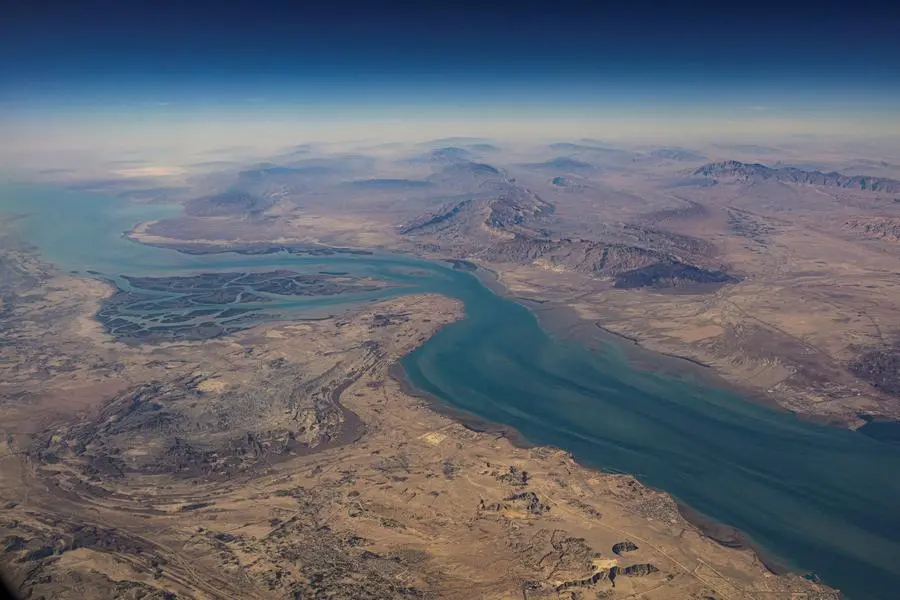
PHOTO
The United Arab Emirates has expressed its deep disappointment at the UN Security Council’s failure to take decisive action to address the global repercussions caused by Iran’s illegal closure of the Strait of Hormuz, and failure to adopt a resolution put forward by Bahrain on behalf of the UAE, the State of Kuwait, the State of Qatar, the Kingdom of Saudi Arabia, and the Hashemite Kingdom of Jordan to protect the freedom of navigation in the Strait.
The UAE expressed its gratitude to the Kingdom of Bahrain for its diplomatic efforts and stewardship of the draft resolution.
Since 28th February 2026, Iran has carried out at least 21 direct attacks on commercial vessels, killing more than 10 crew members, while 20,000 seafarers remain stranded on ships unable to safely transit out of the Strait due to Iranian threats.
The draft resolution built directly on Security Council resolution 2817 (2026), which condemned Iran's unprovoked attacks and threats against the UAE and neighboring countries, as well as any measures or threats aimed at closing, obstructing, or otherwise interfering with international navigation through the Strait of Hormuz. The resolution underscored that the countries of the region are not parties to broader conflicts and must not be drawn into them. Despite that clear message, Iran has continued its unprovoked and unlawful attacks against commercial vessels in direct defiance of Security Council resolutions.
The draft resolution highlighted the importance of not obstructing the right of passage through the Strait, encouraging States to coordinate defensive efforts to ensure the safety and security of navigation. Furthermore, it condemned any attempt to obstruct international navigation through the Strait of Hormuz, and demanded that Iran immediately cease its attacks against commercial vessels and any attempt to undermine the freedom of navigation.
As affirmed by UN Security Council resolution 2817 (2026), the countries have the right to defend their vessels from attacks and provocations, including those that undermine navigational rights and freedoms, in accordance with international law. The draft resolution focused on encouraging States to coordinate defensive efforts to promote and secure freedom of navigation.
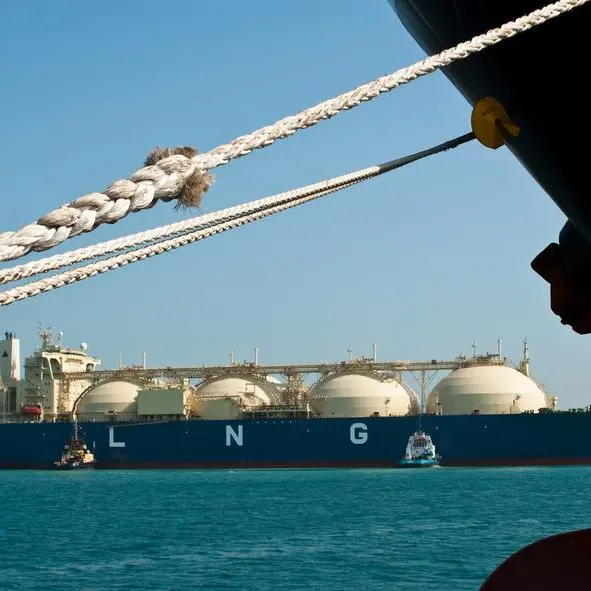
The global economy cannot afford the Council's impasse. The Strait of Hormuz is a vital lifeline for global maritime security and trade, as well as for supply chains carrying approximately one-fifth of the world's oil and liquefied natural gas and one-third of the global fertilizer trade. Its near-total closure since the outbreak of the regional conflict has caused severe disruption to global energy markets, forced multiple Gulf producers to halt deliveries, and threatened economic stability and food security in countries far beyond the region.
Lana Nusseibeh, Minister of State, said: "Iran is holding the world hostage by closing the Strait of Hormuz. Closing a global chokepoint is an attack on every family paying more for gas, every farmer struggling with fertilizer costs, and every nation dependent on open seas. The UAE will not stand idly by. We will continue to work with international partners - at the UN and beyond - to reopen the Strait and ensure that economic terrorism does not determine how much people around the world pay for food and fuel. The international community must act now to reopen the Strait and restore stability to global markets.”
"No country should have the power to shut down the arteries of global commerce. The Security Council had a responsibility to act, and it failed. The Strait of Hormuz cannot become a bargaining chip for Iran, nor a lever in wider global politics," said Mohamed Abushahab, Permanent Representative of the UAE to the UN.
UN Security Council resolution 2817 - which was co-sponsored by a record 136 countries – affirmed the illegality of Iran’s closure of the Strait of Hormuz and condemned Iran's unprovoked attacks on the UAE and neighboring countries. The 19th March 2026 decision of the International Maritime Organization (IMO) Council also strongly condemned Iranian threats and attacks against commercial vessels in and around the Strait of Hormuz and was co-sponsored by over 115 Member States - the highest number of co-sponsors in its history. The UAE calls on all states to fully implement resolution 2817 and to take urgent measures to ensure the Strait reopens immediately.
The UAE, alongside KSA, Kuwait, Qatar, and Jordan continue to engage in intensive diplomatic outreach to all Security Council members. The UAE affirms its unwavering commitment to collective international efforts aimed at safeguarding maritime security and ensuring the uninterrupted flow of global trade. Furthermore, the UAE will continue to engage constructively in international processes, consistent with international law and the UN Charter, to address this crisis and protect the global economy.
Despite the outcome of Tuesday’s UNSC voting session, there remains broad international consensus on the gravity of this crisis and the urgent need to protect the freedom of navigation.