PHOTO
A temporary ceasefire in the Iran conflict has brought a visible sense of relief to the Gulf travel industry after weeks of disruption that affected flights, hotel bookings and regional travel confidence.
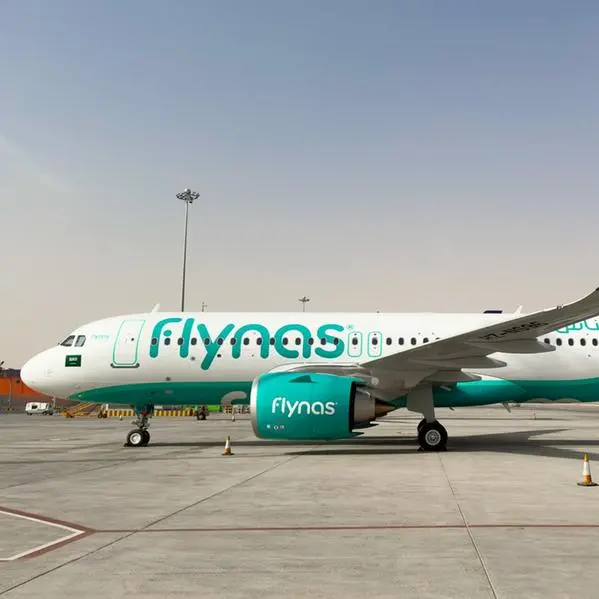
Airlines across the Gulf had been forced to reroute or suspend services during the conflict as security concerns and airspace restrictions disrupted one of the world’s busiest aviation corridors. Major regional carriers faced delays, longer flying times and higher operating costs as aircraft avoided sensitive zones over parts of the Gulf.
Industry reports said flight activity in parts of the region had dropped sharply during the peak of the crisis, with airlines operating well below normal capacity as schedules were repeatedly adjusted.
The uncertainty also affected passenger demand, with many travellers postponing holidays, business trips and family travel across the Gulf.
Hotels in major destinations such as Dubai and Abu Dhabi reported cancellations as travellers waited for greater clarity on regional security. Some properties offered flexible stays and maintained stable pricing for passengers stranded by flight disruptions.
Several airlines introduced booking waivers and flexible travel options to manage uncertainty, while travel agencies reported a slowdown in last-minute bookings during the conflict period.
The ceasefire has now begun to improve sentiment, with airlines expected to gradually restore confidence and travellers resuming delayed plans. However, industry analysts say full normalisation may take time because carriers are still reviewing schedules cautiously and fuel costs remain elevated.
For Gulf tourism-dependent economies, even a short period of stability is significant. Aviation and tourism remain central to regional economic activity, and the easing of tensions is expected to support a gradual return of business and leisure travel in the coming days.
Copyright 2026 Al Hilal Publishing and Marketing Group Provided by SyndiGate Media Inc. (Syndigate.info).