PHOTO
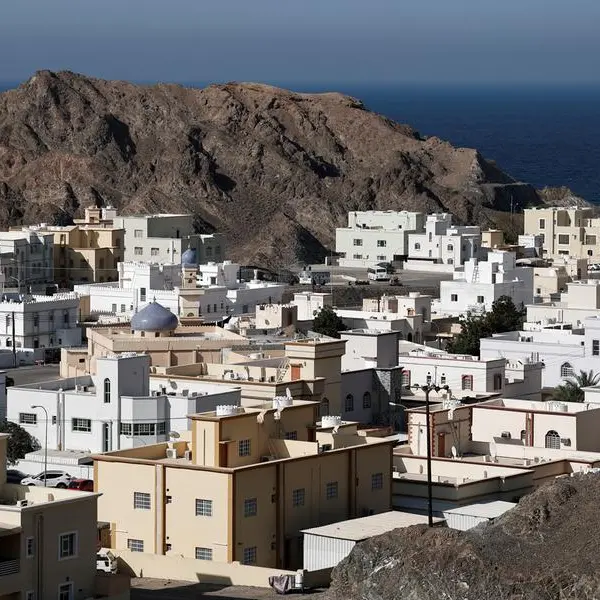
Oman has opened two new investment gateways on its map: the Special Economic Zone in Al Dhahirah Governorate (Wilayat of Ibri) and the Special Economic Zone in Al Rawdah (Wilayat of Mahadha, Al Buraimi Governorate), created by Royal Decrees on October 8, 2025. One faces Saudi Arabia, roughly twenty kilometres from the Rub Al Khali crossing and about 105 kilometres from Ibri Industrial City. The other leans into the UAE corridor, around eighty-five kilometres from Al Buraimi and 125 kilometres from Suhar, on the route that links SOHAR Port and Freezone to Jebel Ali. Geography is not decoration; it is policy you can drive on.
We already have a backbone. Three free zones — Suhar, Salalah and Al Mazunah — and ten industrial cities run by Madayn. The two new SEZs are inland platforms where goods are made, packed, cleared and dispatched with fewer detours and lower costs. If we do this well, zones will lift non-oil GDP, widen national income and create dignified jobs for young Omanis.
The law now matches the ambition. Royal Decree 38/2025 put special economic and free zones under one modern framework and one regulator, OPAZ. Investors do not fall in love with slogans; they marry certainty. One rulebook means one interpretation, one timeline and one accountable authority when a file needs a nudge. Boards and lenders can underwrite that.
The front door to each gateway is clear too. Invest Oman acts as the country’s concierge for serious capital. It gives an investor a name, a number and a map — sites, utilities, ports and roads — in one place. A month saved at the start is often a year saved at the end. Behind that door sits Nazdaher, the quiet fixer that moves across ministries to clear the snags that used to slow projects — a permit that lingers, a connection that slips, a rule that clashes with reality. Interest arrives at the front desk; Nazdaher pushes it room by room until machines are humming.
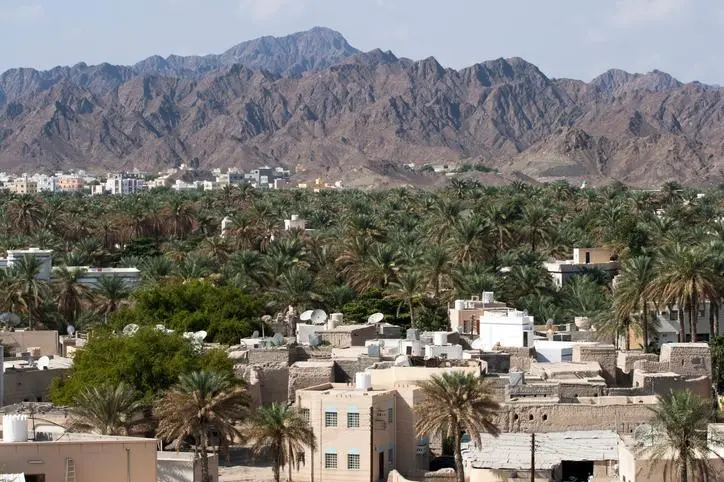
The Al Rawdah Special Economic Zone leans into the UAE corridor
What should each zone do? Al Dhahirah should lean into its border logic: manufacturing and food industries for overland trade, logistics yards stitched to Saudi distribution and mining services that turn rock into value. Al Rawdah should speak the language of the UAE artery: light and medium industry, pharmaceuticals and plastics, food processing and fast re-exports. Specialisation is not a slogan. It is how technology sticks, suppliers grow and wages rise.
Speed is the other half of the promise. The one-stop shop must be exactly that — digital, accountable and timed. Visas, licences, land, power and water connections; and customs should run on published service levels with a single case officer who owns the file from first call to first shipment. Investors finance timelines, not adjectives. When government measures itself in public, private capital moves faster — and commissioning dates hold.
Anchors before acres. Release land in tranches around a handful of anchor tenants that define each zone’s supply chain, then pull suppliers close — packaging, maintenance, bonded warehousing, testing and certification, targeted finance. People are the engine, not the footnote. Apprenticeships, micro-credentials and on-the-job training must be written into investor agreements, with safe worker housing and reliable transport; these are productivity tools, not perks.
Inputs and the gate decide whether factories run or wait. Offer eligible projects multi-year utility tariff options, issue capacity letters that mean what they say and keep the next substation and the next water-reuse unit ahead of demand. At the fence, keep Bayan’s single-window customs tight and predictable. A container that clears on the first try is free finance — and a vote of confidence for the next expansion.
Cost now has a colour. Boardrooms price carbon alongside kilowatts. As Hydrom builds Oman’s green-energy backbone, zones should make it easy to tap lower-carbon power—on-site or wheeled — reuse industrial water and verify ESG performance. That protects exporter margins as border rules tighten.
Keep the system simple. One rulebook under OPAZ. One front door at Invest Oman. One fixer in Nazdaher when something jams. One digital counter in every zone that owns the file and the timeline. Publish a national scorecard — time to operate, export value, Omani employment and local-supplier spend — so success is measured, not assumed. Do this and the two new gateways will not just welcome companies. They will export the future.
2025 © All right reserved for Oman Establishment for Press, Publication and Advertising (OEPPA) Provided by SyndiGate Media Inc. (Syndigate.info).