PHOTO
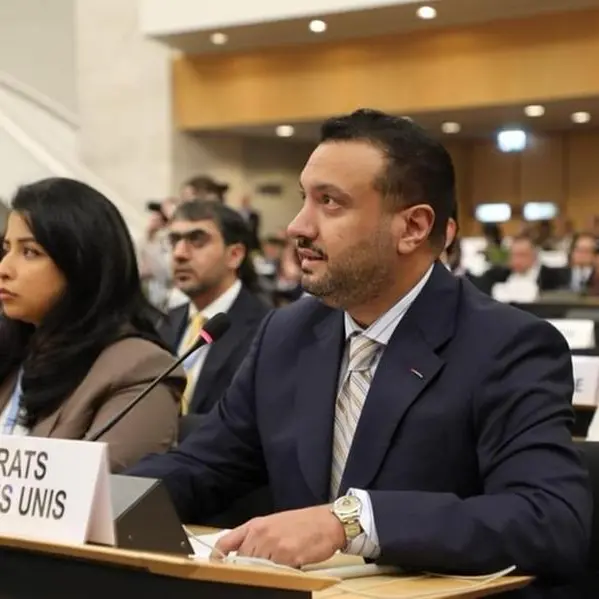
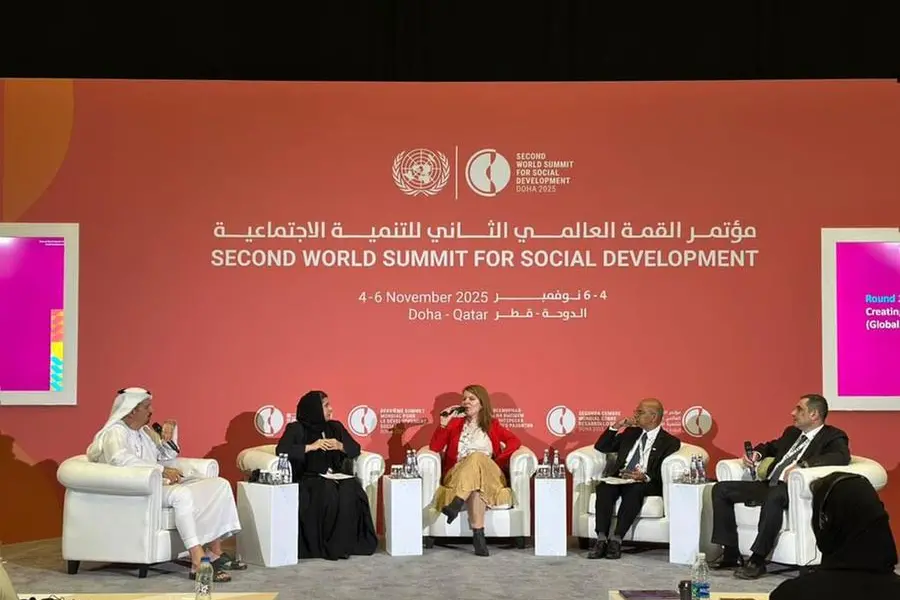
As part of the UAE delegation, a selection of social sector entities from Abu Dhabi participated in the Second World Summit for Social Development organised by the United Nations in Doha, Qatar, from 4th to 6th November.
The summit witnessed broad participation from governments, international and regional organisations, as well as research and academic institutions from around the world.
The UAE delegation included Salama Al Ameemi, Director-General of the Family Care Authority; Abdullah Al Humaidan, Director-General of the Zayed Authority for People of Determination; Dr. Mona Al Mansoori, Acting Director-General of the Abu Dhabi Social Support Authority; Dr. Arif Al Hammadi, Acting Director-General of Strategic and Digital Affairs; along with several senior officials.
Abu Dhabi Department of Community Development (DCD) organised a session titled “Quality of Life as the Foundation of Thriving Societies: Global Models for Implementation”. This was held under the “Solutions Sessions” theme of the summit. The session brought together a distinguished group of international experts from the Organisation for Economic Co-operation and Development (OECD) and the Ministry of Social and Family Development in Singapore, alongside leaders from DCD.
The session highlighted Abu Dhabi’s pioneering experience in adopting a data-driven approach to quality-of-life principles as a tool for shaping social policy and enabling evidence-based decision-making. It also showcased global best practices in transforming ‘Quality of Life’ concepts into practical applications that enhance services and promote social inclusion. Discussions focused on key themes, including data for Quality of Life, digitalisation for inclusion, and future-readiness through skills development and social protection systems.
During the summit, the delegation also presented the efforts of the Zayed Authority for People of Determination in strengthening empowerment and inclusion frameworks through a comprehensive strategy based on four main pillars: empowerment, sustainability, innovation, and social inclusion.
Delegation members from the organisation explained that the development of a national integrated model aims to translate social policies into real programmes that foster participation of People of Determination across all aspects of life, ensuring equal opportunities in education, employment, and health and social care.
The presentation also highlighted national innovations in services for People of Determination, including assistive technologies, training and rehabilitation programmes, and professional and social inclusion initiatives, in addition to the Organisation’s international partnerships and knowledge exchange efforts with global disability-focused institutions.
The Abu Dhabi Social Support Authority showcased its integrated model for empowering families and promoting social sustainability in Abu Dhabi. The model is built on data-driven programmes, strategic partnerships, and institutional integration, represented by the Social Support Programme, which provides a comprehensive range of services, including financial assistance, economic empowerment, financial awareness, and family development initiatives.
The programme aims to enhance self-reliance and improve the quality of life for low-income Emirati families, guided by five key principles: shared responsibility between citizens and the government, integration, evidence-based decision-making, continuous improvement, and innovation in delivering value to society.
The Authority also highlighted its case management and empowerment model, which strikes a balance between responsiveness to beneficiaries’ needs and operational efficiency. It further presented its financial empowerment initiatives, including awareness workshops, individual training, and partnerships with specialised entities to address debt challenges and strengthen economic stability.
Salama Al Ameemi spotlighted the Emirate’s integrated model for family wellbeing, sharing insights in a high-level panel discussion titled “Transforming the Social Sector toward More Stable and Cohesive Families.”
Al Ameemi underscored the importance of partnerships for stronger families and demonstrated how Abu Dhabi is translating global social development aspirations into practical frameworks that strengthen family resilience and social cohesion at the community level. "Through platforms like this summit, we reaffirm our commitment to global cooperation and to building inclusive, equitable, and cohesive societies in line with the United Nations’ goals and our nation’s vision,” Al Ameemi added.
Abdulla Al Humaidan affirmed that the Organisation’s participation in the UN Summit reflects its commitment to transforming humanitarian principles into actionable policies that ensure the inclusion and active participation of people of determination in development processes at both the national and global levels.
Al Humaidan added, during his presentation titled “National Innovations and Service Models for People of Determination,” that the Organisation’s strategy is built on four main pillars: empowerment, sustainability, innovation, and community inclusion.
Dr. Arif Al Hammadi emphasised that participation in the Global Summit for Social Development reflects the leadership role of the Department and other social sector entities in advancing the social ecosystem through data-driven, innovative, and integrated approaches, contributing to a sustainable, positive impact on individuals and society.
Dr. Mona Al Mansoori said, “Since the Authority's launch in 2019, we have adopted a model built on five key principles: shared responsibility between citizens and the government, ecosystem integration with partners, data-driven decision-making, continuous improvement, and citizen-centred innovation. Within the approved model, we work to achieve long-term financial independence for families through effective case management and the implementation of specialised empowerment programs. We are committed to building trust, ensuring accurate assessment, and maintaining continuous follow-up, while focusing more on addressing key social issues such as financial literacy and debt management, thereby contributing to the promotion of sustainable economic independence for families.”