PHOTO
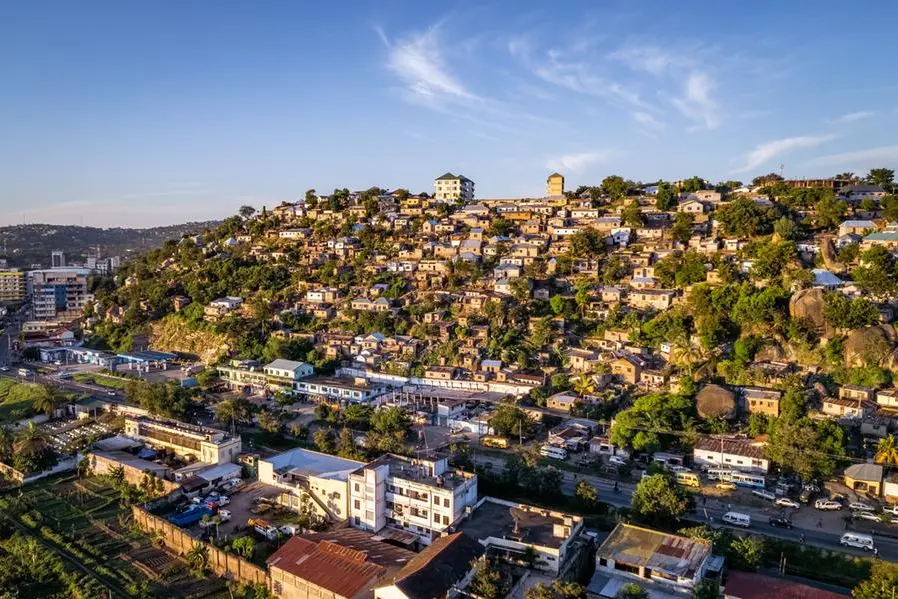
With donor funding withheld after the backlash over October’s election violence, Tanzania has turned to selling part of its gold reserves to shore up a weakened economy.
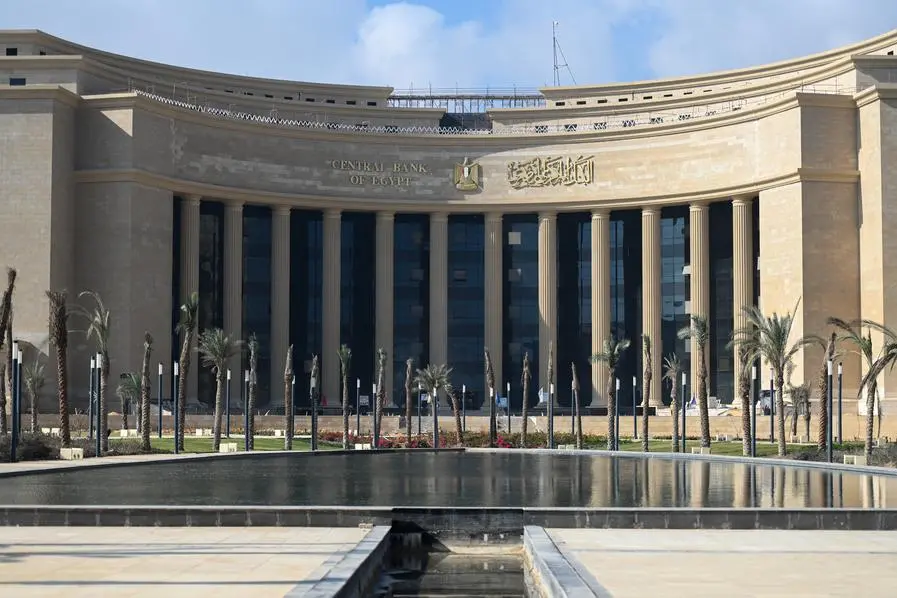
President Samia Suluhu Hassan has authorised the Bank of Tanzania (BoT) to prioritise internal resource mobilisation to meet fiscal needs. Kitila Mkumbo, the Minister for Planning and Investment, confirmed last Monday in London that the government plans to sell part of its gold holdings to finance infrastructure projects.
BoT data published last week shows Tanzania’s gold reserves were valued at about $1.3 billion (Tsh3.3 trillion) at the end of December 2025.“Governments are no longer interested in providing aid to Africa, so we are reorganising ourselves,” said Mkumbo.
Tanzania is among Africa’s leading gold producers, with output estimated at 52 tonnes in 2023, according to the World Gold Council. Mining contributed nearly 9.9 percent of GDP and about 15 percent of tax revenue that year.
Gold accounted for 22.5 percent of national exports, valued at roughly $3.05 billion, BoT data shows.
However, BoT sought to distance the move from direct budget financing. Emmanuel Akaro, Manager of the BoT’s Foreign Markets Department, while confirming the gold sale, said it was a reserve-management decision.“The plan to sell exists; when we sell depends on market conditions. Gold prices have risen sharply in a short period,” he said.
As of January 29, the central bank held gold worth $3.24 billion, equivalent to 18.9 tonnes, after beginning the accumulation exercise on October 1, 2024.“As of January 29, 2026, Tanzania’s foreign exchange reserves stood at $6.52 billion, held in various foreign assets, including gold. Of this amount, $3.84 billion, or 59 percent, was in gold. Monetary gold alone was valued at $1.18 billion, while refined gold that has not yet attained monetary status brought total gold holdings to $3.24 billion.”Gold cushionThe decision to draw down reserves comes as Tanzania seeks to repair strained relations with Western partners. After post-election violence in which police were accused of using excessive force against civilian protesters, the US said it would “review” its relations with Tanzania.
The Parliament adopted a non-binding resolution calling for the programme’s suspension. The Commission has said it remains in dialogue with Tanzanian authorities but has not announced a final decision.
Across Africa, reduced donor funding has forced governments to adjust, including selling gold reserves, raising taxes, issuing bonds or shelving projects.
Aid retreatThe US dissolved the United States Agency for International Development (USAid) in early 2025, arguing that it no longer served American interests. Its programmes ended with the closure, and Washington has since shifted towards bilateral engagement with African governments. USAid had played a key role in financing budget gaps in countries, including Tanzania.
The United Kingdom also announced in early 2025 that it would cut its aid budget from 0.5 percent to 0.3 percent of gross national income by 2027 to fund higher defence and security spending. France, Sweden, the Netherlands and Germany have made similar, though uneven, reductions.
In the US, the closure of USAid followed an initiative launched by President Donald Trump, ending more than sixty years of the agency’s role as a central tool of bilateral cooperation.
Last year, President Samia Suluhu acknowledged that Tanzania’s “battered” global image could complicate access to funding and loans from international institutions, following criticism from some US senators.
At the swearing-in of her new cabinet on November 18, 2025, she urged ministers to prioritise domestic financing for development projects, warning that reputational damage could weigh on the economy.“We rely mostly on international financing, but what happened here may reduce our access to loans,” she said.
Tanzania remains fiscally reliant on external financing, with aid accounting for about 23 percent of government revenue in 2024, although the share is declining.
© Copyright 2026 Nation Media Group. All Rights Reserved. Provided by SyndiGate Media Inc. (Syndigate.info).