PHOTO
High production costs, climate change and electioneering disrupted tea supplies from Southern Africa to the Mombasa Tea Auction in 2025, with some countries halting deliveries altogether.
Mozambique, a long-time participant at the auction, supplied tea in only five of the 51 sales held during the year, while Malawi supplied tea in just 11 sales.
The annual auction report by the East African Tea Trade Association (Eatta) shows that Southern African Development Community (SADC) producers performed poorly due to low-quality tea, with some fetching prices as low as $0.78 per kilo.
Tanzania’s election period also affected the tea trade, leading to a suspension of supplies from September 6, 2025, with deliveries resuming on December 16.
Mozambique recorded the lowest prices at $0.78 per kilo, followed by Malawi at an average of $0.95 per kilo, while Tanzanian tea fetched an average of $1.17 per kilo.
Over the past decade, Malawi, Tanzania and Zimbabwe have been the leading bulk producers of black CTC (crush, tear, curl) tea in the SADC region, accounting for most of its output.
Overall auction prices remained largely flat, with the average price per kilo at $2.05 in 2025 compared with $2.06 in 2024.
Rwandan tea fetched the highest average price at $3.24 per kilo during the year.
Tea volumeThe volume of tea offered for sale declined significantly following the loss of key markets, Sudan and Iran, which weighed on activity at the Mombasa auction. As a result, only 25 percent of the tea offered remained unsold, compared with 48 percent in 2024.
Tea dealers blamed the government for failing to resolve diplomatic disputes with Sudan and Iran, which has delayed the resumption of exports to the two markets.
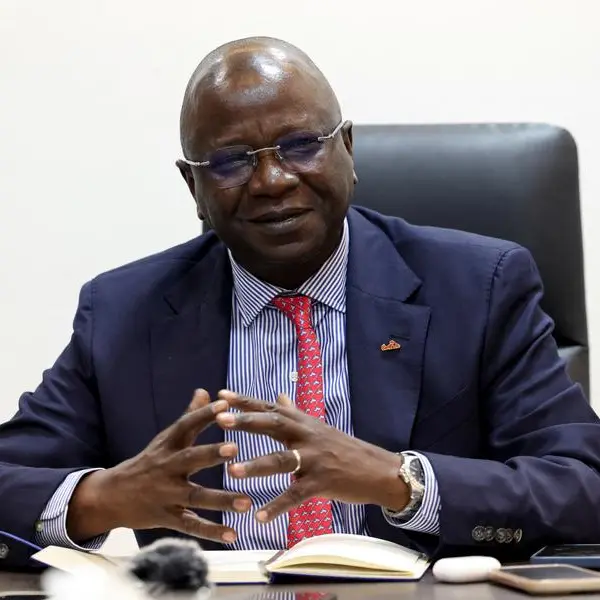
Mr Omuga said most tea from Malawi and Mozambique was purchased by private buyers.“Most of the tea growers in Tanzania do it through irrigation, and the high costs of irrigation during dry seasons, and labour, coupled with taxes and fees, make it unprofitable for factories, leading to low production,” he said.“Buyers have to pay more for unique attributes from specific terroirs and have been keen in the auction with quality being a priority, which comes hand in hand with strategic investments in quality, technology, and value addition, which are crucial to move beyond bulk sales and achieve better returns.”Mr Omuga said inadequate tea supplies in the SADC region had also affected the Dar es Salaam tea auction, which has remained closed since July 2025.“Lack of volumes to run the auction led to the closure of Dar Tea Auction barely two years after it was opened, and price discovery also contributed to closing its shop. Due to quality, the auction had registered $0.90 per kilo, compared to Mombasa, which is doing $1.8 per kilo; thus, they could not sustain it,” Mr Omuga said.
Top buyersPakistan remained the largest buyer of Kenyan tea, accounting for more than 40 percent of total exports and earning the country $390,540.
Egypt, the United Kingdom, Sudan and the United Arab Emirates were the other major destinations for Kenyan tea exports.
Export volumes to these markets have, however, been declining over the years due to trade barriers.
© Copyright 2026 Nation Media Group. All Rights Reserved. Provided by SyndiGate Media Inc. (Syndigate.info).