PHOTO
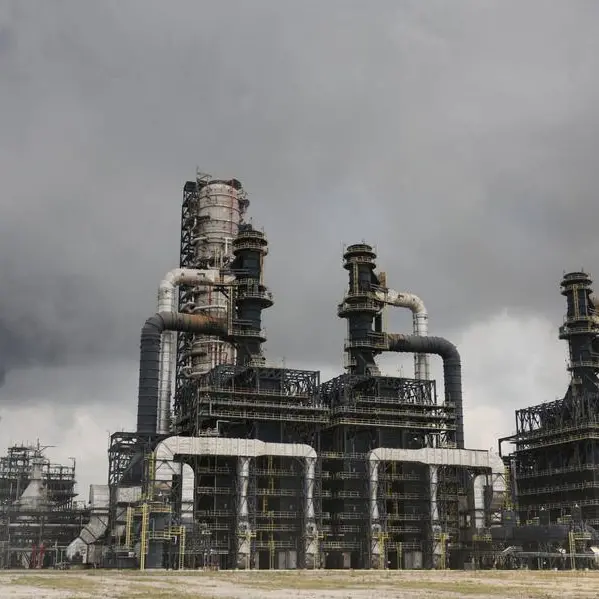
The centre for Promotion of Private Enterprise (CPPE) has said despite having Dangote Refinery and others, Nigeria may not be completely immune to global oil price volatility, since crude oil feedstock for refineries is priced, using international benchmarks, and denominated in US dollars.
The Centre in a statement, issued by its Chief Executive Officer, Dr. Muda Yusuf, on Monday, noted that since domestic refineries in Nigeria procure crude oil at prices that reflect prevailing global market conditions, they could therefore not completely insulate fuel prices.
CPPE described the widespread expectation, that the presence of domestic refineries should automatically translate into significantly cheaper petroleum products, as going against the economics of refining.
“Even crude supplied by local producers or the national oil company is priced using international crude oil benchmarks. Additionally, domestic refineries also pay a premium of about $3–$6 per barrel in order to secure crude supply,” it added.
The centre noted that while domestic crude transactions may be settled in Naira under special arrangements, the underlying valuation remains largely based on the naira equivalent of global crude prices, an indication that domestic refining operations remain substantially exposed to global crude oil price movements with no price advantage in crude procurement.
It noted that though local refining could improve supply stability, it would not completely shield the domestic market from global oil price volatility.
CPPE also argued that while domestic refining would not completely eliminate the effects of global oil price volatility, it would, however, significantly reduce the risks of supply disruptions, conserve foreign exchange, strengthen the balance of trade, and enhance national energy security.
Given the strategic importance of domestic refining to Nigeria’s energy security, external sector stability and industrial development, the Centre, therefore, called on government to ensure the policy environment remains supportive of investment in the sector.
“Government policy should continue to encourage domestic refining through a coordinated mix of trade policy, fiscal policy and monetary policy measures.
“Priority areas should include ensuring reliable crude supply arrangements, strengthening petroleum distribution infrastructure, introducing tariff protection, encouraging additional refining investments, and promoting export competitiveness for refined petroleum products,” it added.
Copyright © 2026 Nigerian Tribune Provided by SyndiGate Media Inc. (Syndigate.info).