PHOTO
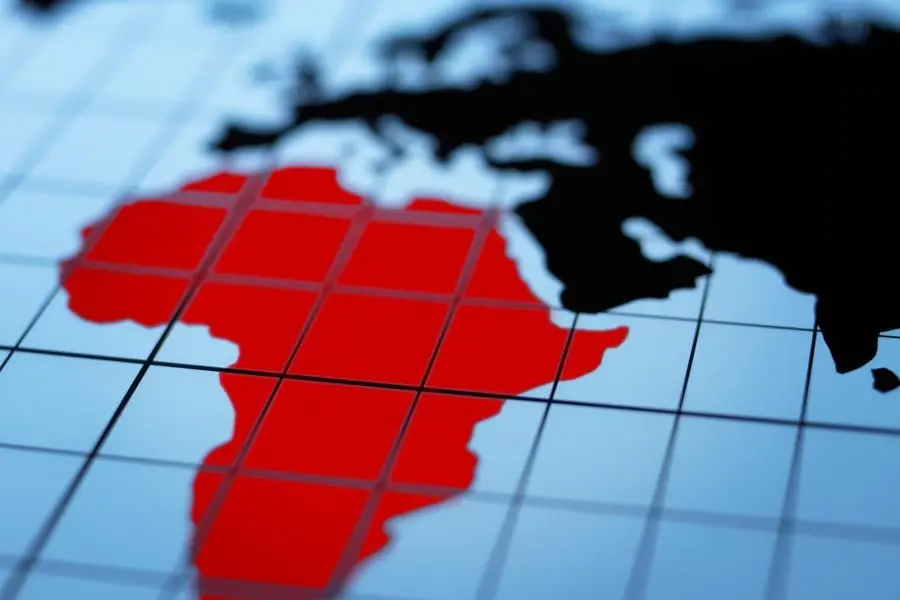
The Middle East war has become a test of African state capacity far beyond the battlefield. Its effects are not reaching Africa mainly through ideology, diplomacy, or direct military confrontation. They are moving through shipping routes, ports, insurance markets, food systems, currencies, and public budgets.
This is the strategic meaning of the Red Sea crisis. Africa is not outside the conflict. It sits inside the logistical system through which the conflict is priced, routed, insured, and absorbed.
Trade disruption is only the surface. Ships reroute, contracts adjust, and cargo keeps moving. The deeper question is who pays for that adjustment, and who has the state capacity to turn disruption into leverage.
The shift from the Red Sea and Suez Canal toward the Cape of Good Hope has raised Africa’s maritime importance. But location is not power. Power lies in the ability to command ports, finance, insurance, customs, fuel, storage, repair, corridors, and naval protection. Most African states control only fragments of this chain.
That is the contradiction at the heart of the crisis. African waters have become more central, but African command over the maritime system remains weak. Ships pass African coasts. Foreign navies secure routes. Global insurers reprice risk. Shipping lines adjust schedules. African consumers, firms, and treasuries carry much of the cost.
Ports reveal the divide clearly. A port is not strategic because ships pass nearby. It becomes strategic when it links maritime traffic to revenue, industry, energy security, food reserves, inland corridors, and regulatory control. Many African ports remain transit points rather than instruments of national accumulation. They move goods, but they do not yet organize the wider economy around production, storage, repair, processing, and export competitiveness.
Insurance is where war becomes price. Premiums, surcharges, credit terms, and rerouting clauses convert distant conflict into African import costs before goods arrive. Sovereignty fades when risk is priced elsewhere. Governments debate security, while the cost of insecurity is often set in financial and insurance markets beyond their authority.
The same shock then enters the currency system. Import-dependent states need more dollars for the same strategic imports. Higher freight and insurance bills widen deficits, drain reserves, weaken currencies, and pass maritime insecurity into domestic prices. A maritime crisis becomes a monetary crisis.
Food systems carry the pressure into daily life. The danger is not only shortage, but dependence. Many African markets rely on imported grain, inputs, fuel, finance, and weak corridors. When movement costs rise, food costs rise. When currencies fall, the burden hardens. Poor households experience a distant war through bread prices, transport fares, school costs, and weaker purchasing power.
Public budgets take the final hit. Subsidies rise, emergency imports cost more, debt tightens, and development spending shrinks. States with reserves, strong ports, reliable revenue, and productive depth absorb the shock. Others drift into defensive politics.
This is why the crisis should not be treated as a temporary trade disruption alone. Even if shipping through the Red Sea normalises, risk assumptions will change. Firms, insurers, states, and navies will price chokepoint insecurity more seriously. Supply chains may not be fully redesigned, but they will be managed with greater caution. That caution carries costs.
The African debate should therefore move beyond victimhood. The issue is not simply that external wars damage African economies. Geography is only an asset when states can organise it. Many African states occupy strategic routes but lack the maritime, industrial, financial, and fiscal capacity to convert position into leverage.
The lesson is institutional. States that control logistics absorb shocks. States that depend on logistics absorb costs.
For Africa, the Red Sea crisis is a warning. Maritime security cannot be reduced to piracy, patrols, or foreign naval operations. It is connected to currency stability, food prices, industrial policy, debt management, and political order. The continent’s strategic task is to turn location into leverage through ports that serve production, corridors that connect markets, fiscal systems that absorb shocks, and maritime institutions that defend economic sovereignty.
The Middle East war has not created Africa’s vulnerability. It has exposed it. Until African states control more of the systems that move, insure, finance, and price their trade, external crises will continue to arrive not as distant events, but as inflation, currency pressure, fiscal stress, and weakened sovereignty.
© Copyright 2026 Nation Media Group. All Rights Reserved. Provided by SyndiGate Media Inc. (Syndigate.info).