PHOTO
Nigeria Economic Summit Group (NESG) has said that the stability of the naira in 2026 will largely depend on the country’s ability to rebuild its foreign exchange reserves to above US$50 billion and sustain crude oil production at over two million barrels per day.
In its 2026 Macroeconomic Outlook titled “Consolidating Economic Stabilisation Gains: Pathway to Sustainable Growth in Nigeria”, the private-sector-led policy advocacy group stressed that exchange rate outcomes must be anchored on real economic productivity rather than speculative inflows.
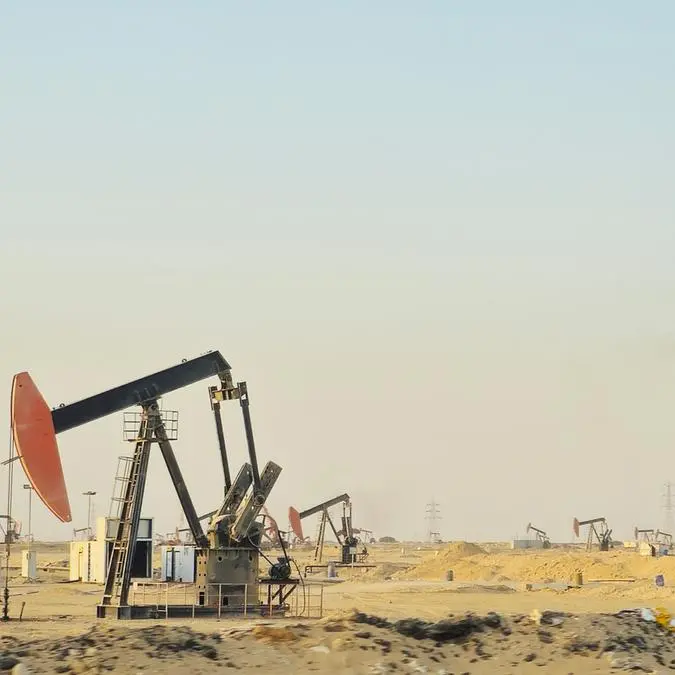
“By 2026, exchange rate stability will hinge on rebuilding foreign reserves to comfortable levels above US$50 billion, significantly expanding non-oil export earnings, and maintaining oil production above two million barrels per day,” the report stated.
“Naira appreciation should be driven by productivity, not speculation.”
The NESG said Nigeria now stands at a critical transition point, moving from crisis-era stabilisation to a phase of macroeconomic consolidation that requires discipline, policy coordination, and structural reforms.
It noted that while the economy recorded meaningful stabilisation gains in 2025, these improvements remain fragile and must be carefully locked in.
According to the report, inflation is projected to converge from about 21 per cent in 2025 to 16 per cent in 2026, to achieve single-digit inflation by 2029. However, this would require sustained positive real interest rates and strong coordination between fiscal and monetary authorities.
The group advised that a hawkish monetary stance should be maintained through 2026 to prevent inflationary pressures from re-emerging, even if such a posture comes with short-term growth costs.
On fiscal sustainability, the NESG said meaningful consolidation will depend on sustained revenue growth, improved spending efficiency, and a reduction in the burden of debt servicing.
It argued that spending-focused consolidation delivers more durable outcomes than revenue-only approaches, especially in a context where development expenditure has already been compressed by fiscal pressures.
The report identified structural transformation as central to Nigeria’s long-term economic stability. It said manufacturing growth must accelerate from the current 2–3 per cent range to between 6 and 8 per cent annually.
This, it noted, will require large-scale disbursement of manufacturing funds, single-digit lending rates, effective operationalisation of Special Economic Zones, and stronger supply-chain financing mechanisms.
In agriculture, productivity growth must rise from about 2–3 per cent to 5–6 per cent annually, with food price inflation moderated to below 15 per cent.
Achieving this, the NESG said, will depend on modernising extension services, deploying over 5,000 tractors nationwide and fully operationalising the proposed ₦1 trillion Agriculture Fund.
Infrastructure development was described as non-negotiable.
The group called for power generation capacity to rise above 7,500 megawatts by 2027, port turnaround time to be reduced to between three and five days, and more than 2,000 kilometres of roads to be rehabilitated. It said infrastructure remains the binding constraint to manufacturing expansion and export competitiveness.
The outlook also emphasised financial deepening, noting that credit to the private sector must expand from the current 12–15 per cent of GDP to about 20–22 per cent.
This would require bank recapitalisation, resolution of non-performing loans, and deeper integration of digital financial services.
On tax administration, the NESG described the implementation of the new Nigeria Tax Act from January 2026 as critical.
It highlighted the establishment of the Nigeria Revenue Service, mandatory e-invoicing, and the integration of BVN, TIN, and NIN databases as essential to sustainable revenue mobilisation.
The group further stressed the importance of regulatory consistency, rule of law, and public expenditure efficiency, including results-based budgeting and payroll digitisation through IPPIS.
Reviewing 2025, the NESG said Nigeria recorded improvements in GDP growth, inflation, exchange rate stability, fiscal performance, and capital inflows.
Foreign reserves rose to their highest level in several years, while the gap between the official and parallel market exchange rates narrowed significantly, reflecting improved transparency and policy credibility.
However, it warned that consolidation, not mere policy continuity, must be the central macroeconomic priority in 2026 if Nigeria is to achieve durable, inclusive, and job-creating growth.
Copyright © 2026 Nigerian Tribune Provided by SyndiGate Media Inc. (Syndigate.info).