PHOTO
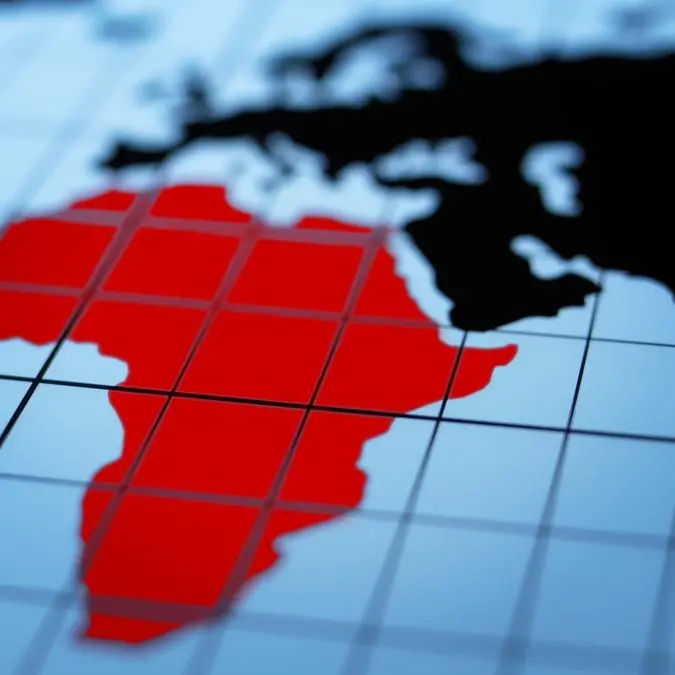
Global economic growth is expected to lose momentum by 2026, with emerging and frontier markets — especially those in East Africa — facing heightened risks from uncertainties and policy shifts.
According to Moody’s latest Global Macro Outlook 2025–26 report, lingering instability in global trade regimes and monetary policy adjustments are likely to weigh on investment, exports and job creation in developing economies.
The report, dated August 29, notes that, although trade policy uncertainty has eased since April, it remains elevated until a new global trading regime is firmly established.“We expect sluggish global growth this year and next as economies adjust to major shifts underway in trade, fiscal, monetary, and immigration policies,” the agency states.“In the interim, this uncertainty will weigh on business decisions. Overall, we expect marginally better economic outcomes for several major economies relative to our May outlook, though our revisions to 2025 forecasts are more a reflection of volatile data than global economic resilience in response to the evolving trade picture.”Moody’s projects that global economic growth will slow to 2.4 percent in 2025 and 2026, down from 2.9 percent in 2024.“Monetary policy easing will broadly continue in several major economies. We expect the (US) Federal Reserve to resume interest rate cuts in September. Despite inflation concerns from tariffs, it is likely to prioritise economic support by cutting the federal funds rate to between 3.25 percent and 3.50 percent by 2026,” the report adds.
Globally, central banks have begun adjusting to the changes. The Bank of England (BoE) is easing gradually, while the European Central Bank (ECB) is nearing the end of its rate-cut cycle. The People’s Bank of China (PBoC) is expected to maintain an accommodative stance, and the Bank of Japan (BoJ) will gradually raise rates towards one percent by mid-2026 as it normalises policy.
US headline gross domestic product (GDP) growth averaged just 1.4 percent in the first half of 2025, with underlying consumption and investment indicators pointing to a weakening economy.
According to Moody’s, trade policy uncertainty, federal layoffs, and other policy shocks are likely to weigh on growth and push unemployment higher.
However, rate cuts, tax relief, and investment commitments from businesses and trading partners introduce upside risks to the agency’s US growth projections.
The severity of the economic slowdown, Moody’s notes, will partly depend on the cumulative impact of US tariffs.“As of August, trade pacts covering about two-thirds of imported US goods have provided some policy predictability.“We estimate that higher US tariffs will amount to a sales tax equivalent to about one percent of GDP. Along with weaker consumer demand, the tariffs will likely force businesses to accept lower margins,” the agency says.
Slower growth in advanced economies—often key trading partners for frontier and emerging markets—leads to reduced demand for exports from these regions.
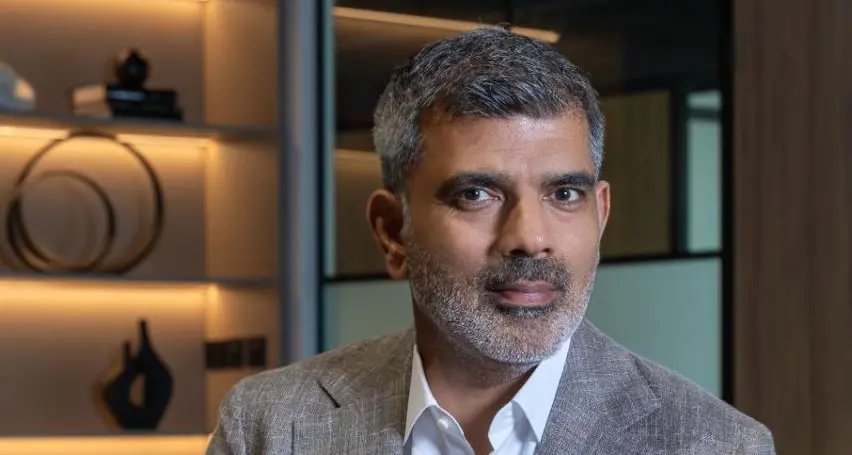
Abisaid Ali: Africa’s blueprint for the global economy. Meanwhile, heightened trade tensions, policy uncertainty, and weaker global growth may discourage foreign direct investment into developing economies, limiting capital for infrastructure, innovation and job creation.
© Copyright 2022 Nation Media Group. All Rights Reserved. Provided by SyndiGate Media Inc. (Syndigate.info).