PHOTO
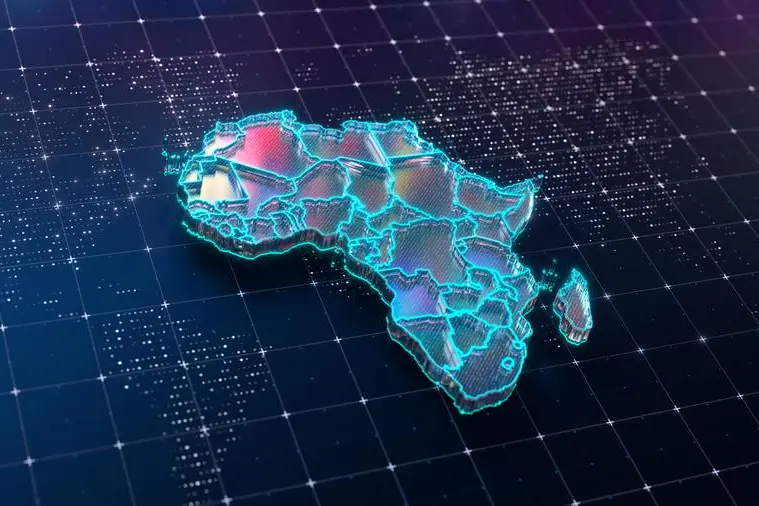
African countries have welcomed the US decision to extend a continental trade pact for another three years, seeing it as a signal of certainty.
On Tuesday, the US House of Representatives voted to extend the African Growth and Opportunity Act (Agoa), which Washington increasingly views as a tool to counter Chinese and Russian influence in Africa and secure access to minerals.
The move clears the way for Congress to enact revised legislation extending Agoa for at least three years, allowing more than 32 sub-Saharan African countries duty-free access to the US market.
The African Union (AU) said the decision symbolised “enduring bridges” between Africa and the United States.“For over two decades, Agoa has served as a cornerstone of US–Africa economic relations, supporting industrialisation, job creation, regional value chains, and inclusive growth across the continent,” the AU said on Wednesday.
The bloc views Agoa as continuity in fostering mutually beneficial economic ties and reinforcing Africa’s role as a reliable partner in global commerce. All Agoa-eligible countries are AU members and signatories to the African Continental Free Trade Area (AfCFTA), which seeks to build a larger internal market on the continent.
Diversifying exportsKenya’s Cabinet Secretary for Investments, Trade and Industry, Lee Kinyanjui, said the government would leverage the renewed Agoa window to diversify exports beyond textiles and apparel.“The uncertainty that had previously engulfed the sector will now give way to renewed confidence and expansion. As a Ministry, we aim to grow exports of additional products under the Agoa framework beyond textiles, ensuring that Kenya fully leverages this opportunity to create jobs and generate wealth,” said Kinyanjui.
In Kenya, textile and apparel firms operating in Export Processing Zones (EPZs) employ more than 80,000 people directly and an additional 250,000 indirectly.
Kenya is also pursuing a bilateral trade agreement with the US.“During the recent visit by President William Ruto to Washington DC, Kenya’s request for enhanced market access to the US was discussed. Further, we are in discussions on a bilateral trade agreement that will cover other key sectors and further cement Kenya’s long-standing partnership with the United States,” said Kinyanjui.
Kenya’s main exports to the US include textiles and apparel, coffee, tea, horticultural products and tourism services.“Expanding our export basket remains a key priority and aligns with our broader strategic economic agenda,” the Trade CS said.
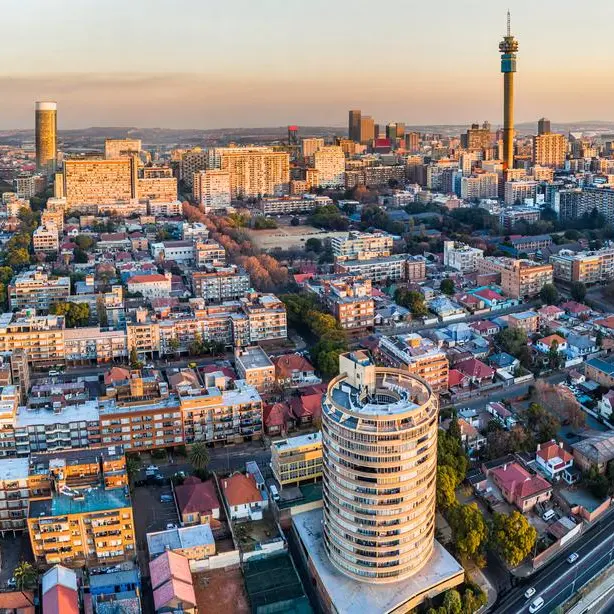
Certainty and predictabilitySouth Africa also welcomed the House approval of the Agoa extension, which, once implemented, will grant eligible African countries continued duty-free access to the US market.
Trade, Industry and Competition Minister Parks Tau said the extension would provide certainty and predictability for African and American businesses that rely on the programme.“While South Africa, together with other Agoa-eligible countries, has been advocating for a long-term renewal of Agoa with all countries retained in the programme, the current renewal, while short, provides the necessary relief to companies in the context of the tariffs implemented by the United States," said Tau.
He added that the renewal would complement the implementation of the AfCFTA and the development of regional value chains, while supporting American businesses that depend on inputs and products imported under Agoa.
The Trump administration imposed a 30 percent tariff on South African goods entering the US market from August 2025. Other countries, including Lesotho, which hosts large Chinese apparel investments targeting Agoa markets, were also hit with steep tariffs.
Tau said South Africa would continue engaging Washington to reach a mutually beneficial trade deal. Data from the South African Revenue Service shows bilateral trade between South Africa and the US totalled $15 billion in 2024, with exports valued at $8 billion and imports at $7 billion.
China, Russia-Africa tiesThe US move follows China’s decision in mid-2025 to grant duty-free access to nearly all products from 53 African countries, a major policy shift aimed at deepening trade ties, reducing Africa’s trade deficit with China and boosting exports such as agricultural goods, minerals and textiles.
Russia has also expanded its engagement in Africa, focusing on military presence, energy and infrastructure to secure resources and counter Western influence.
These shifts have drawn attention in Washington, where US tariffs created openings for China and Russia to deepen their footprint on the continent.
On January 12, the US House voted to continue bipartisan trade programmes, including Agoa and Hope/Help for Haiti.“Agoa and Hope/Help for Haiti are long-standing trade programmes that serve America’s economic and national security interests. With today’s vote, I’m glad that these programs continue their history of bipartisan support,” said Jason Smith, chair of the House Ways and Means Committee.“These programmes are key for countering the threats to America’s strategic and economic security posed by China and Russia in Africa and by turmoil inside Haiti. This is particularly important when it comes to securing our nation’s supply chains and access to critical minerals.”
Smith said Agoa remains a central pillar of US strategy to counter Chinese and Russian economic coercion in Africa.“A swift reauthorisation will ensure the United States can support reliable trading partners and deny nations that seek to exploit resources and spread harmful influence around the world more room to advance their interests,” he said.
© Copyright 2026 Nation Media Group. All Rights Reserved. Provided by SyndiGate Media Inc. (Syndigate.info).