PHOTO
Despite a spike in vessel visits due to blockage of shipments through the Strait of Hormuz, region receives no petroleum-carrying tankers East African economies are holding a few weeks’ fuel stocks as the Iran war blocks shipments through the Strait of Hormuz, and key regional ports, despite having a spike in vessel visits, receive no petroleum-carrying tankers.
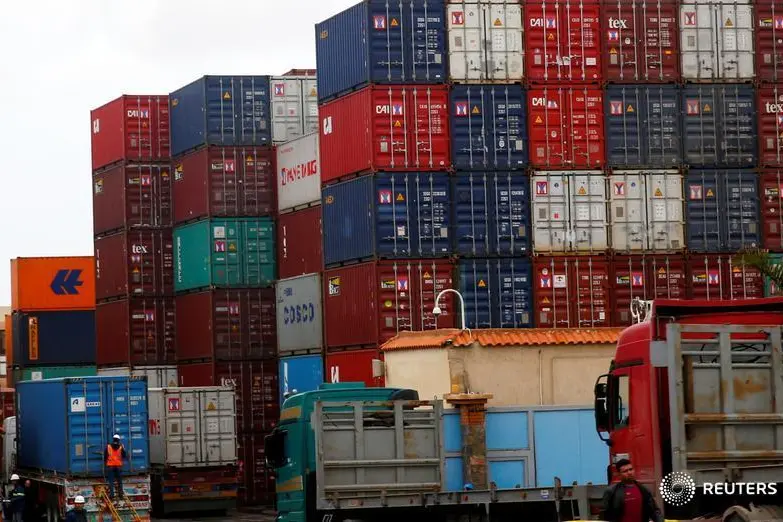
Kenya and Tanzania have been heavily exposed to shocks, with about 90 vessels expected to dock in Mombasa and Dar es Salaam in the next 14 days having no fuel cargo.
Kenya is likely to be more affected, considering that there are no waiters at the Kipevu Oil Terminal, while Tanzania has two vessels expected on Monday.
According to the Dar es Salaam Port shipping list (March 26 to April 12), 38 vessels are scheduled to dock with only two tankers from Sika Anch port in India carrying chemical/oil products and liquefied petroleum gasThe Kenya Ports Authority (KPA) schedule from March 23 to April 5, shows 52 vessels scheduled with two tankers carrying oil – palm oil.
The landlocked neighbours-Uganda, Rwanda, Burundi, Democratic Republic of Congo and South Sudan, who depend on the two facilities for their fuel, will be hard hit as well, if the conflict in the Middle East continues.
Kenya obtains all its fuel from the Middle East through government-to-government deals with Gulf crude producers and refiners.
As Kenyan officials continue to put up a brave face in the face of a loading crisis, independent retailers have sounded the alarm over the likelihood of a fuel shortage in a few days’ time.
The Petroleum Outlets Association of Kenya, an association representing independent retailers, transporters and others serving 68 percent of the national market, confirmed to have short supply."So far about 20 percent of some 3,100 retailers are affected and in the next two weeks it will be a total crisis with no fuel in most outlets, if the tension in the Middle East continues,” said chairman Martin Chomba.
Officials in Kenya and Uganda say their fuel supplies remain stable, for now, as authorities work to maintain steady deliveries.
Kenya’s Energy and Petroleum Regulatory Authority (Epra) director-general Daniel Kiptoo has maintained that the country has sufficient stock and warned wholesalers against hoarding the commodity.
But the Department of Petroleum also said the situation will be dire if the reserves get depleted. Kenya requires importers to hold 21 days of stock.
At the Shimanzi oil depots in Mombasa, only few trucks were on the waiting bay this week.
Petroleum Principal Secretary Mohamed Liban attributed the shortages to operational challenges, hoarding by oil marketers and panic buying driven by speculation over rising global prices.
He said Epra is addressing cases of hoarding, revealing that over 100 million litres of Super petrol have been released into the market, enough to stabilise supply for more than 10 days.
Rwanda has indicated it has reserves for a month, for Burundi the crisis continues for the third year running while South Sudan braces for shortages.
For Uganda, which imports all its petroleum products, this global reaction translates directly into higher pump prices. There is no buffer. Every increase on the international market is eventually passed down to the consumer.
Uganda’s pump prices are racing towards levels last witnessed in 2022, even when current supplies were shipped before the Gulf war broke out and had crossed the Strait of Hormuz.
The pump prices of diesel and petrol have been steadily increasing from an average of Ush5,000 ($1.35) per litre before the Gulf war, settling at an average of Ush5,269 ($1.42) per litre at most Shell and TotalEnergies pumping stations in the Kampala Metropolitan Area—Mukono, Wakiso and Mpigi.
The government says the spike in prices is unjustifiable. Thus, the question that begs answers is: Why are fuel prices increasing?For Winstone Mushaba, a supervisor at Petro Uganda, part of the challenge comes as oil marketing companies try to strike a balance between satisfying premium and ordinary consumers, which at times creates artificial prices.
For instance, most fuel stations in premium locations almost have uniform prices, fearing that undercutting competitors could drive away old and potential clients.“When you slash prices, premium clients could run away on the assumption that the fuel is adulterated, which is not the case as the standards body is always there. At the same time, budget spenders remain sensitive to any slight increase,” says Mr Mushaba.
Due to the heightening uncertainty in the global oil industry, cases of fuel rationing driven by fears of depleting stock and losing loyal customers are slowly starting. This has also triggered speculation and created some panic buying as consumers fill up their fuel tanks in anticipation of a shortage.“You asked me whether you can get 400 litres at any fuel station when you are willing to purchase. The answer is no. Fuel rationing is setting in,” says Mr Mushaba.
The proposal to increase the excise duty rate by Ush200 ($0.05) per litre to finance the deficit in the budget, with potential to generate Ush450 billion ($121.3 million), will also keep fuel prices in Uganda high.
In Uganda, it has remained a common practice for fuel pump stations to hike prices even before the proposed excise rate is implemented.
The Finance ministry insists that increasing excise duty on petrol from Ush1550 ($0.41) to Ush1750 ($0.47) per litre and on diesel from Ush1230 ($0.33) to Ush1430 ($0.38) per litre, will have little impact on the economy, as fuel prices will not increase beyond the tax adjustment.
However, a Kampala-based economist, Julius Mukunda, pokes holes in the Finance ministry experts’ opinion by raising more questions about the timing of the proposed revised duty.“Currently, there is a war in Iran and fuel costs are increasing. Is the measure to increase duty on fuel a way of telling us that the pain you are feeling is not enough, so you are increasing more pain?”He says chances of prices increasing are high as fuel is a key factor of production.
She assured that the government is closely monitoring developments, noting that the crisis “touches us as well” given Uganda’s reliance on imported petroleum products.“As we monitor the international prices, we shall be coming to tell you. When prices have escalated internationally, we’ll have no choice but also to inform you to bear with us because no company would like to perform at a loss,” she said.
She, however, insists that Ugandans should not panic about fuel supply disruptions as the National Oil Company and Vitol hedged the domestic market from fuel supply shocks by tapping other global suppliers.“We have plans for April where ships are on the way coming from different parts of the world away from the problematic Strait of Hormuz, and we have no doubt that we shall have our stocks that will take us for 60 days,” Nankabirwa added.
Uganda expects deliveries of 283 million litres of petrol, 183 million litres of diesel and 25 million litres of jet fuel, enough to cover 38 days of petrol demand and 51 days of diesel consumption.“UNOC took a very good decision guided by the president to make sure that we get a partner who has the potential to source fuel from different sources, and we are not scared,” she said.
© Copyright 2026 Nation Media Group. All Rights Reserved. Provided by SyndiGate Media Inc. (Syndigate.info).