PHOTO
Nineteen African states are looking to form a regional shipping line to ringfence some $3 billion paid to foreign freighters to import $14 billion worth of goods annually.
The regional project covering Eastern, Southern and Northern Africa, is part of a broader strategy to cushion economies from global supply chain disruptions by cutting charges.
This happens as Africa works on a cabotage law to ease ownership of vessels and movement of ships within the continent, which would save importers a number of charges, among them a delivery order free container, container cleaning charges, container deposits and an administration fee.
In a cabotage regime, large vessels deposit cargo at designated ports leaving local ships to redistribute the goods within the region.
The Maritime Organisation for Eastern, Southern and Northern Africa (Moesna) secretary-general Kassim Mpaata said they are reviewing a draft feasibility study report on the proposed shipping line.
Mr Mpaata said despite nearly 90 percent of Africa’s international trade being transported by sea, the continent continues to suffer weak intra-regional maritime connectivity, thus the initiative is intended to seal a long-standing gap in the region’s maritime capacity.“This joint shipping line will enhance our ability to manage maritime trade competitively and reduce dependency on foreign vessels.“The more than 20 destination charges that are added to the normal rates would not be charged by a local freight company thus lowering the cost of goods,” Mr Mpaata noted.
“We don’t have a regional cargo protocol to encourage investment in vessels. If we don’t have a regional framework for collaboration among indigenous shipping lines, we will continue operating in silos,” said Mpaata.“This framework will allow us to promote vessel ownership, improve collaboration and strengthen the region’s maritime trade.”The proposed cargo protocol will set common rules for vessel movement within the region, encourage investment in coastal shipping services, and support the growth of local shipping lines, areas that have long been dominated by multinational operators.
The regional plan also aligns with broader continental ambitions under the African Maritime Charter, which seeks to boost Africa’s participation in the global blue economy.
Member states hope that the shipping line will not only reduce freight costs and improve supply chain resilience but also enhance economic integration across the Indian Ocean, the Red Sea, and the South Atlantic.
Other initiatives include enhancing collaboration among regional maritime training institutions, creating opportunities for joint education strategies, information sharing, student exchange programmes, and shared training facilities, aimed at equipping the region’s maritime workforce with the skills and expertise needed to compete globally.
Once Kenya, for instance, invokes the cabotage law under the Merchant Shipping Act, it will allow and facilitate the planned seaborne transshipment plan, thus gaining millions of dollars in revenue.
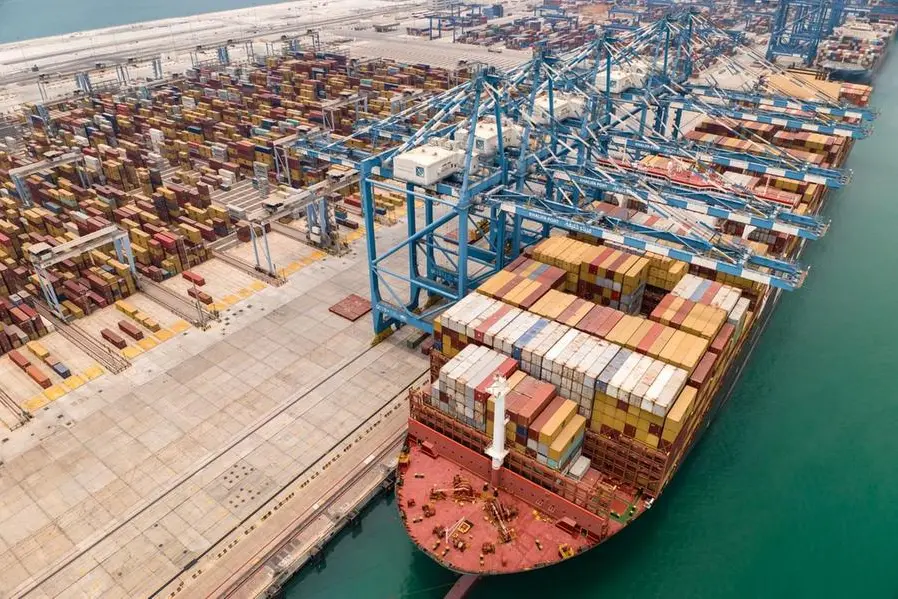
With the deal, importers using the Mombasa port where more 2 million containers are handled could save up to $8 million, they pay to foreign firms annually in destination charges for cargo landing at the Mombasa port by paying freight rates locallyThe levies include delivery order fee of $90 per container, container cleaning charges amounting to $30 container deposits of $65 and administration fee of $60 per container.
Plans to revive national shipping lines in East African ports have been facing usual delays over lack of capacity to compete internationally.
Kenya and Tanzania recently formed shipping lines, but are struggling to establish themselves without own vessels. Tanzania’s bid to sell its disused vessels has been a struggle, with few people coming forth to buy, and leaving it with an unwanted burden of storageIn Kenya, the government’s effort to revive the Kenya National Shipping Line isn’t bearing many fruits forcing it to partner with Mediterranean Shipping Corporation to handle key government cargo and operate the second container terminal at the Port of Mombasa.
Kenyan Principal Secretary in the State Department for Shipping and Maritime Affairs Aden Millah emphasised that heavy reliance on foreign shipping lines has constrained regional trade and left African economies vulnerable to unpredictable freight pricing.
He said the proposed regional shipping line will not only stabilise shipping costs but also sup-port the growth of local maritime sectors, enhance cargo efficiency, and improve overall trade competitiveness across the participating states.
© Copyright 2022 Nation Media Group. All Rights Reserved. Provided by SyndiGate Media Inc. (Syndigate.info).