PHOTO
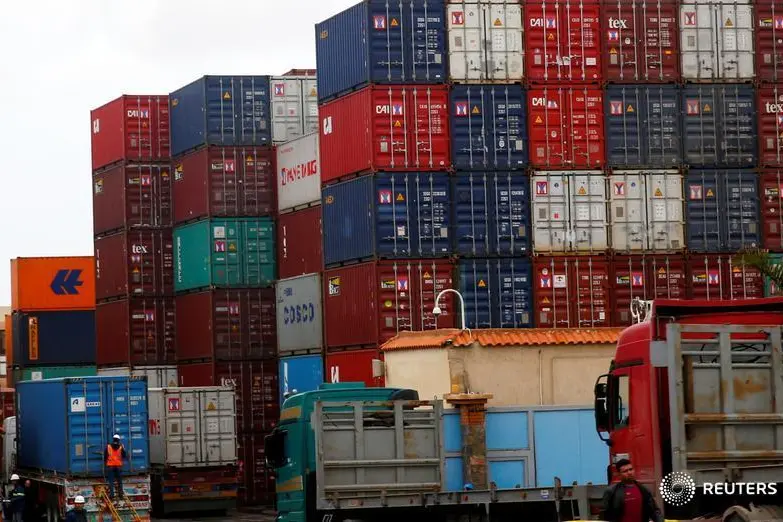
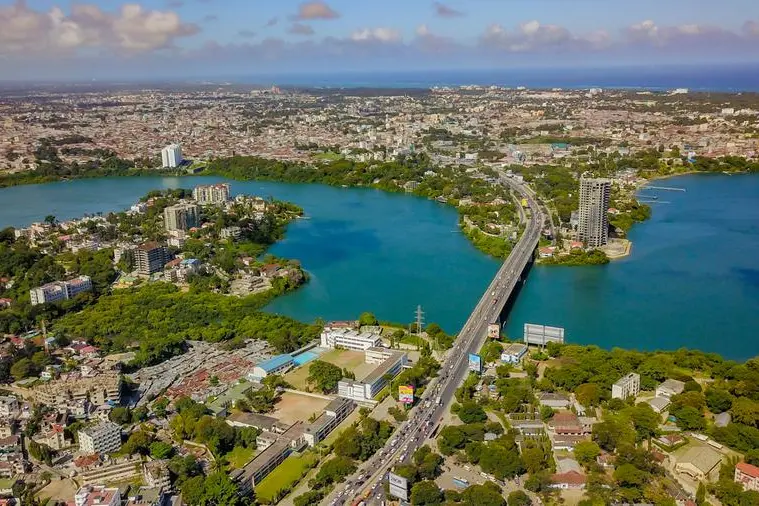
As the import season peaks ahead of the festive period, Mombasa port is grappling with congestion, partly because of a spillover from neighbouring Dar es Salaam port.
Mombasa port, which handles about 3,500 twenty-foot equivalent units per day, is overstretched, with more vessels calling in over the past two weeks.
On Tuesday, 28 vessels were waiting to berth, underscoring mounting pressure on the facilities and potential delays in cargo handling.
The port of Mombasa is expected to handle 56 vessels in the next 14 days, according to the Kenya Ports Authority (KPA).
The vessel schedule shows that the port currently has four feeder vessels waiting, six vessels belonging to Bulkstream Ltd, two at the Kipevu Oil Terminal, and two others along the berths.
As ships queue, South Sudan has complained about a $5,000 security levy on every container destined for Juba.
According to the South Sudanese government, the fee, recently introduced by Kenyan authorities, has left hundreds of South Sudan-bound containers piled at the Port, worsening congestion and raising fears of supply disruptions.
The issue was the focus of a high-level meeting in Juba, chaired by Trade and Industry Minister Atong Kuol Manyang, with senior government officials and private sector leaders.
The minister described the new levy as an unfair burden on South Sudan’s business community.
The levy has made shipping agents shun Juba-bound cargo, resulting in congestion and delays in deliveries.
Festive seasonTraders using the Mombasa port have already raised concerns about the risk of consignments stuck along the supply chain, blamed on persistent delays in cargo clearance.
As the festive season peaks and retailers replenish inventories ahead of the holidays, the cost of goods is likely to rise amid delayed deliveries, as ships await unloading.
Abdukadir Mohammed, a wholesaler at Marikiti market in Mombasa, said they are missing early sales boon due to delays in clearance at the port.“We imported two containers of clothes and other holiday-related goods and we’re informed the ship is yet to be cleared. Last year, by mid-November, half of our consignments were already sold, but the delays in clearance will result in losses,” he said.
Shipping lines operating at Mombasa Port blame the Kenya Revenue Authority (KRA) and KPA for failing to facilitate cargo delivery and the collection of empty containers, causing congestion at the port and container depots.
Through their agents, 43 shipping lines said the turnaround time of a ship costs more than $38,000 in 24 hours and, as such, some have been forced to rework schedules to reduce waiting times at the port.
East African states are relying more on the Kenyan port after Tanzania’s October 29 General Election led to disruptions in the port of Dar amid a political crisis in the country over the result and government’s handling of protests.
KPA’s order of “cut and sail” — allowing vessels to leave the port before all loading and unloading is complete — due to schedule pressures has been criticised, with Kenya Ship Agents Association (KSAA) chairman Roger Dainty saying there were more than 20 vessels yet to be cleared to dock at the port, including sweepers (special vessels to pick containers).“We brought a sweeper which loaded 3,000 empties, making an impact in repositioning empties, but the current delay leading to waiting ships is seriously increasing operational costs,” Mr Dainty said.
KSAA CEO Elijah Mbaru said Asia and Europe are facing a shortage of empty containers due to trade imbalance.“We are under pressure to assist in repositioning empties due to demand in Europe and Asia. The current congestion in Mombasa has led to losses for shipping lines, which will ultimately affect consumer prices,” Mr Mbaru warned.
Last month, government and private cargo handlers at the port introduced stringent measures to decongest the facility, but these have not borne fruit, and have disadvantaged some traders.
The measures include transporting all long-stay containerised cargo to container freight stations in Mombasa for local cargo, and transit cargo to be cleared either in Nairobi or Naivasha inland container depots.
To facilitate smoother cargo flow, KRA said it would geofence Gate 24 to allow the exit of transit cargo. All consignments fitted with Rects e-seals would use Gate 24, in addition to Gates 18 and 20, which are already in use.
To facilitate 24/7 operations at the port, all cargo intervenors were ordered to harmonise working hours and shift management to ensure seamless processing of consignments.
© Copyright 2022 Nation Media Group. All Rights Reserved. Provided by SyndiGate Media Inc. (Syndigate.info).