PHOTO
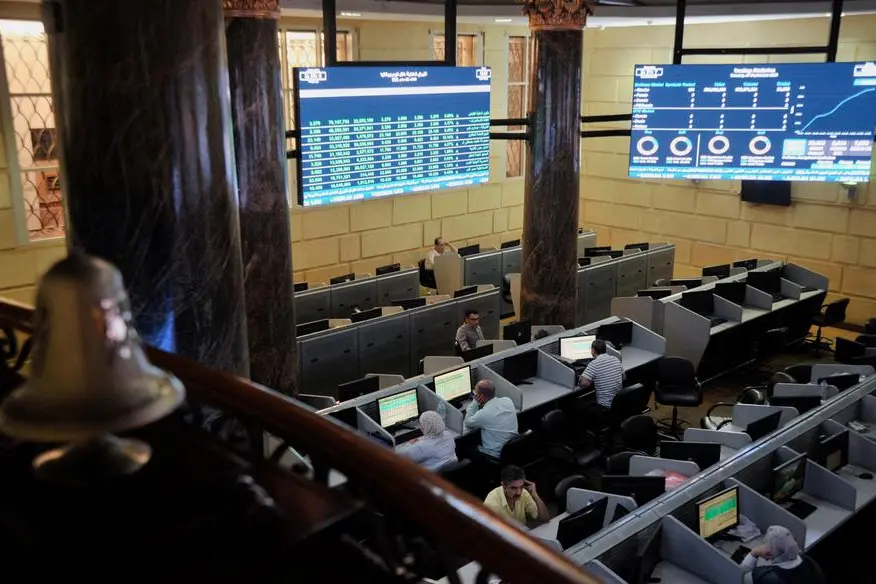
Major Gulf equities mostly opened higher on Wednesday, with the Dubai bourse recovering part of its recent losses, even as investors remained wary of inflationary and growth risks linked to the U.S.-Israeli war on Iran.
The U.S. and Israel launched what the Pentagon and sources in Iran described as the most intense airstrikes of the war, even as global markets continued to bet that President Donald Trump would seek to bring the conflict to an end soon.
The war has effectively shut the Strait of Hormuz — a key route for roughly one-fifth of global oil and liquefied natural gas flows — forcing producers to halt output as storage fills and sending energy prices sharply higher.
Dubai's main index added 0.9%, led by a 5.6% rebound in Air Arabia. The budget airline was set to snap a five-session decline, having lost more than 20% in the preceding five trading days.
Among other gainers, blue-chip developer Emaar Properties rose 1.2%.
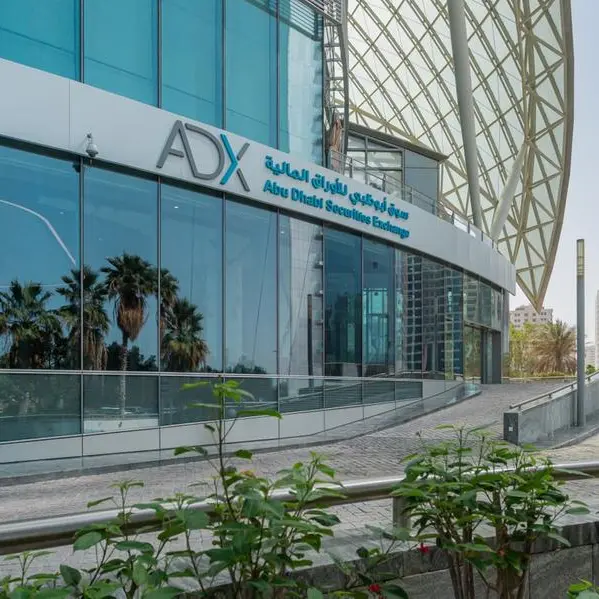
In Abu Dhabi, the index added 0.6%, with Abu Dhabi Commercial Bank advancing 1%.
UAE markets regained some risk appetite as investors moved to buy the dip after consecutive declines. Emaar and aviation stocks led the rebound, highlighting improved sentiment and a renewed willingness to take on risk after recent panic selling, said Ahmad Assiri, research strategist at Pepperstone. Abu Dhabi showed a similar trend.
Saudi Arabia's benchmark index was up 0.4%, with Al Rajhi Bank rising 0.9% and oil major Saudi Aramco putting on 0.6%.
On the other hand, oil prices, which tend to underpin regional markets, fell further on Wednesday following reports of the International Energy Agency proposing the largest release of oil reserves in its history due to potential supply disruptions.
According to Assiri, the Saudi market remains relatively stable, supported by oil prices above $87 per barrel and export flows through Yanbu on the Red Sea, at a time when supplies via the Strait of Hormuz are under pressure. This puts the Saudi market in a better position than its neighbours.
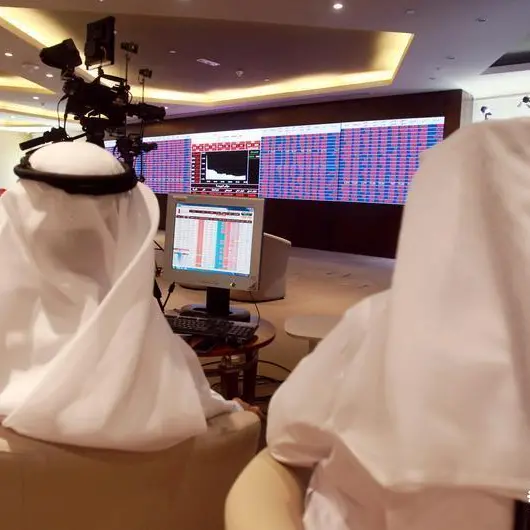
The Qatari index, bucking the trend, dropped more than 1%, hit by a 3% slide in Qatar National Bank, the Gulf's biggest lender by assets.
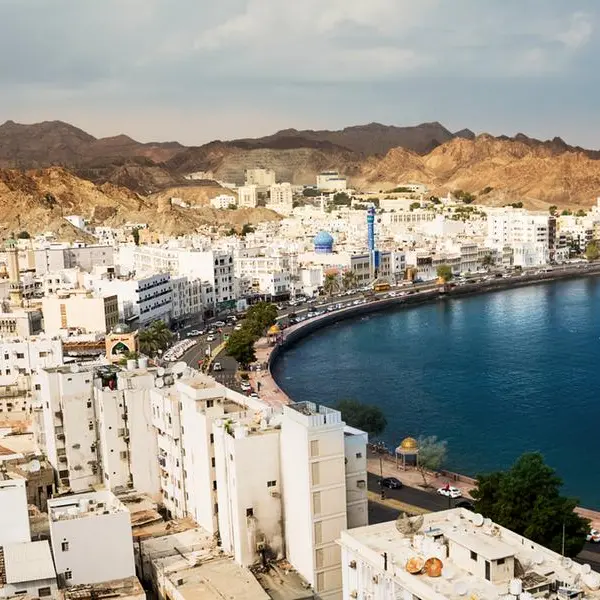
Elsewhere, Oman's index edged up 0.2%, and is up over 32% so far this year.
The Muscat market saw selective buying, allowing the index to break resistance and stay above 7,700, Assiri said.
(Reporting by Ateeq Shariff in Bengaluru Editing by Tomasz Janowski)