Abu Dhabi, 17 Nov. 2004(WAM)--The transformation of theAbu Dhabi economy from an impoverished settlement, which etched out aliving from pearl diving, agriculture and the date palm harvest to a $70billion colossus that happens to boast the third largest GDP in the Arabworld after Saudi Arabia and Egypt, is one of the miracles of modern times.
Yet there was nothing predestined about Abu Dhabi?s emergence as one ofthe most prosperous and developed emirates on earth , wrote Matein Khalida Dubai-based investment banker. Citing some countries around the world as exmaples, Matein said inhis article which in appeared today in Khaleej Times, that the merepossession of oil wealth is no guarantee of economic survival, let aloneprosperity, for the population.Abu Dhabi and the UAE's status in the international financial marketas model citizens of the global village has everything to do with theinspired leadership, pragmatic management and, above all, unique statureof the late UAE Presient Sheikh Zayed bin Sultan Al Nahyan.
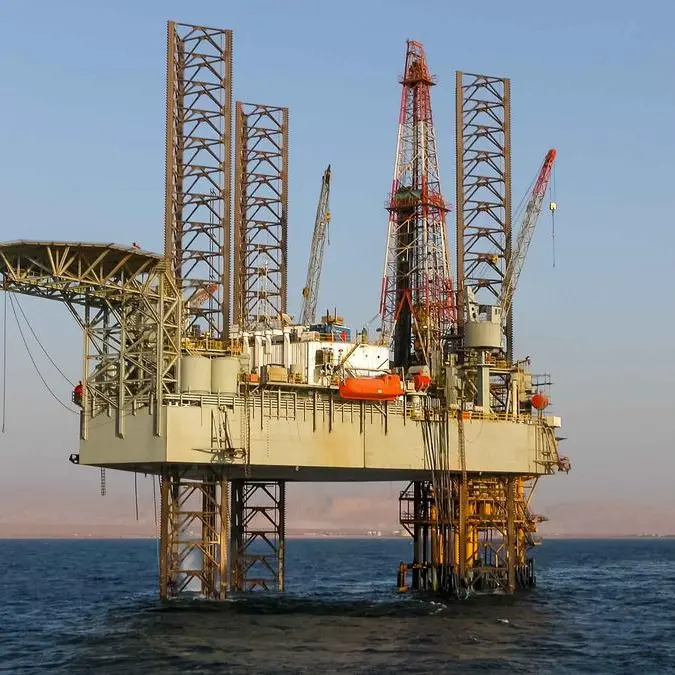
The most striking economic legacy of Sheikh Zayed, he said, has been the prudent, professional management of Abu Dhabi's extraordinaryoil wealth. The emirate is blessed with no less than one tenth of theworld's proven oil reserves and 4 per cent of global natural gas deposits.Its petrodollar surplus has made Abu Dhabi one of the world's leadinginstitutional investors, an external creditor that dwarfs any other Mideastsovereign in the Euro markets.
Khalid described the Abu Dhabi Investment Authority (ADIA), the emirate'swindow to the world financial markets, is the model of good governanceand professional management. Sheikh Zayed deputed his Crown Prince tobecome Chairman of ADIA and encouraged a breed of Abu Dhabi fund managerswho, armed with degrees from the top Western business schools, now runnot just ADIA but some of the UAE's largest banks. For instance, theGovernor of the UAE Central Bank and the new chairmen of ADIB and ADCBare all ADIA alumni, a testament to Shaikh Zayed's passionate commitmentto developing his nations human capital. Sheikh Zayed's management of Abu Dhabi?s oil industry eschewed nationalisationor confrontations with Western oil companies, the fashionable ideologyof the 1970s in the Middle East. Unlike other Arab countries, Sheikh Zayed refused to nationalise or expropriate Western oil concessionsin Abu Dhabi. He created a unique partnership and joint venture modelwith Adnoc as the holding company owned 100 percent by the governmentand its joint ventures with global energy giants such as Total, BP, Mobil,and Chevron etc. This model gave Abu Dhabi sovereignty over its oil wealthyet enabled it to benefit from the Western oil companies' technologicaland management resources. The result? Abu Dhabi's oil infrastructureis state of the art, its downstream petrochemical firms have access toglobal markets, and its security has become a priority for France, Britainand the UAE. This incredible achievement is a concrete testament to ShaikhZayed's leadership at a time when other nationalist leaderstook an entirely different but ruinous route.MORE