28 October 2006
Yemen's Gross Domestic Product realized a growth rate of 4.6 percent in 2005, an official report said. This is the highest rate achieved by the national economy during the three years that the Strategy for Poverty Reduction has been in place, said the report by the Ministry of Planning and International Cooperation.
However, this growth remained 0.9 percent below the Strategy's target, which was set at 5.5 percent. The rapid pace of economic growth has contributed, directly and indirectly, to poverty reduction, particularly in increasing income and creating additional job opportunities. The extent of this contribution depends on the nature of the sources of growth in the national economy, the report said.
The report described this growth as a positive development. It reflects the growth of the per capita share of real GDP, which rose from 0.8 percent in 2004 to 1.5 percent in 2005.
But this was still below the strategy's targeted objective, estimated at 2.5 percent, the report said. In 2005, the manufacturing industries, as well as the financing, insurance, real estate and services sectors, have witnessed marked increases in their growth rates, the report said. The agricultural sector is considered one of the principal sectors, because it contributed nearly 19.4 percent to the real GDP in 2005.
The sector is the main source for food production, in addition to the fisheries sector. Furthermore it employs more than half of the workforce in the Yemeni economy, especially in the rural areas inhabited by most of the country's poor. Agricultural growth and productivity depend on a number of natural, human and financial factors, especially the amount of rainfall and the volume of investments, the report said. Last year, the agricultural sector managed to attain a real average growth of 6.3 percent, compared to 2.6 percent in the past two years.
The report attributed that increase to abundant rainfall and an increase in water harvesting, as well as to the improvement of the agriculture extension services extended to farmers, and the utilization of organic fertilizers. The negative growth of -12.3 percent in rain-fed agriculture in 2004 changed into a positive growth of 5.2 percent in 2005. This exceeded the rate achieved by irrigated crops, which fell 2.8 percent from the previous year to an estimated 2.9 percent in 2005, the report said.
Rain-fed agricultural products include cereals and vegetables, which are concentrated mainly in mountainous regions and highlands. The area of rain-fed crops constitutes nearly 60.8 percent of the total cultivated area, although its production represents 14.2 percent of overall agricultural production. On the other hand, irrigated agricultural crops cover 39.2 percent of the total cultivated area and constitute nearly 85.8 percent of the overall agricultural production. These indicators reflect a wide disparity in the utilization of agricultural land and its productivity.
Moreover, it indicates the markedly limited capacity of rain-fed agricultural production. One hectare of rain-fed agriculture produces an estimated 0.8 tons of crops, compared with 7.5 tons for one hectare of irrigated agriculture. Low rainfall and its fluctuations from year to year, plus the agricultural soil's degradation and declining fertility, as well as its erosion in mountainous areas, and the continuous use of conventional agricultural methods and techniques in rain-fed crops, have all adversely affected the productivity of rain-fed land. Irrigated crops have maintained their high productivity and their predominance in the agricultural sector, the report said.
Consequently, high financial revenues were realized, which has encouraged investment in this sector. The report said that the extensive utilization of pesticides and organic fertilizers without regulation and clear directives has led to the deterioration of the fertility and quality of agricultural soil by increasing its salinity, thus harming the consumer's health.
Such a matter requires adopting stringent measures to regulate pesticides and fertilizers. The fisheries sector is one of the most promising. It could contribute to achieving sustainable growth and promoting non-oil exports, thus supporting the efforts exerted to alleviate poverty. But fish production dropped to nearly 239,100 tons, compared to nearly 256,400 tons in 2004, due to the impact of adverse climatic conditions wreaked by the tsunami, as well as to the measures and controls adopted by the Ministry of Fisheries on traditional and industrial fishing in order to protect fisheries, the report said.
Nonetheless, the value of fish production increased by nearly 14.4 percent in 2005 to reach YR 51 billion, which raised the contribution of the sector to real GDP to 1.1 percent. Furthermore, the amount and value of fish exports grew at a rate of 11.5 percent and 13.2 percent respectively, to reach 84,300 tons worth USD $ 241.6 million. According to studies, fish production and its exports have not yet fulfilled their latent capacity, especially as the sector employs around 300,000 workers, 65,000 of whom are fishermen engaged in traditional fishing, which makes up 99 percent of fish and seafood production.
The studies say that there is a need to exploit the capabilities of the sector by providing technical support, services and infrastructure, as well as to create a favorable environment to motivate and encourage the private sector to invest in this industry. The report said that the public expenditure on the fisheries sector reached almost YR 2 billion in addition to YR 564 million disbursed by the Agricultural and Fishery Production Promotion Fund, which covers 21 projects and programs.
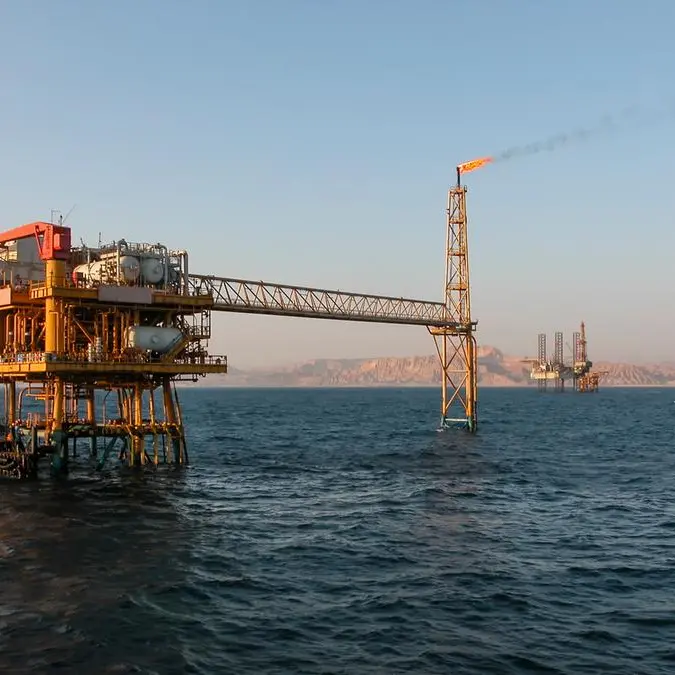
As for oil and gas, the report said that the new two blocks started production in 2005, bringing the total number of productive blocks to eleven, which has slowed the fall in crude oil production. According the report, daily production fell from 404,000 barrels in 2004 to 400,000 barrels in 2005. This exceeded by far the strategy's objective of 370,000 barrels per day.
The state's share of crude oil production fell 1.5 percent. Exports increased in value by 34 percent over the previous year, due to the rise in the average price per barrel of exported oil from $ 36.5 in 2004 to $ 51.2 in 2005, compared to $19.9 forecasted in the strategy. The continuation of well-drilling in productive blocks and the emergence of new discoveries in bedrocks is a positive indicator for maintaining the present standards of production. The measures taken by the government in July 2005 to change the prices of oil derivatives sold locally has contributed to reducing the increase in domestic consumption to 1.4 percent, compared to almost 6.6 percent in 2004, the report said.
These measures reflected positively on revenues, which increased 50 percent to reach YR 218.2 billion, compared to YR 144.1 billion in the previous year. The year 2005 marks a change in the economic exploitation of liquefied natural gas (LNG), estimated at almost 16 trillion cubic feet, thus achieving one of the objectives of the strategy for diversifying the sources of revenue for the national economy, and expanding its productive base.
The final agreements for this project were concluded with foreign companies at a total cost of $ 3.7 billion to sell 6.5 million tons annually to the Korean and American markets. The start of work on this project, until the production of LNG comes on line at the beginning of 2009, will allow the employment of thousands of workers and the development of gas-exporting areas. The report also said that the manufacturing industries sector achieved in 2005 the highest growth rate during the years of the strategy, soaring up to 8.8 percent, an increase of 5.1 percent from the previous year and 2.6 percent above the rate targeted by the strategy.
This sector's contribution to real GDP increased from 9.5 percent in 2004 to 9.8 percent in 2005.
Furthermore, the rate of employment in the sector rose successively by 7 percent, 8 percent, and 9 percent during the years of the strategy. The report attributed these positive developments to increased private, public and joint investments in the sector during 2004 and 2005, which rose by an average of YR 85.9 billion compared to almost YR 78.2 billion in 2003. According to the report, the contribution of small industries to production fell from 10 percent of the overall industrial production in 2002 to nearly 7.3 percent in 2005, although they constituted almost 95 percent of the total of industrial enterprises.
The report called on the government and the private sector to increase their support and attention to small industries to reduce unemployment rates and boost the efforts exerted to reduce poverty. The workforce in these industries fell from 51.3 percent of the overall industrial workforce to 41.8 percent during the same period. The service sectors in 2005 realized an average real growth rate of 7 percent. The contribution of the services sectors to real GDP amounted to 31.8 percent, and reached 34 percent when personal and community services were added.
They basically include wholesale and retail trade, restaurants and hotels which achieved a real growth of 6.8 percent as well as transport, storage and communications, which increased by 7.5 percent, and finally, insurance, real-estate and business services, which increased by 6.7 percent.
Yemen's Gross Domestic Product realized a growth rate of 4.6 percent in 2005, an official report said. This is the highest rate achieved by the national economy during the three years that the Strategy for Poverty Reduction has been in place, said the report by the Ministry of Planning and International Cooperation.
However, this growth remained 0.9 percent below the Strategy's target, which was set at 5.5 percent. The rapid pace of economic growth has contributed, directly and indirectly, to poverty reduction, particularly in increasing income and creating additional job opportunities. The extent of this contribution depends on the nature of the sources of growth in the national economy, the report said.
The report described this growth as a positive development. It reflects the growth of the per capita share of real GDP, which rose from 0.8 percent in 2004 to 1.5 percent in 2005.
But this was still below the strategy's targeted objective, estimated at 2.5 percent, the report said. In 2005, the manufacturing industries, as well as the financing, insurance, real estate and services sectors, have witnessed marked increases in their growth rates, the report said. The agricultural sector is considered one of the principal sectors, because it contributed nearly 19.4 percent to the real GDP in 2005.
The sector is the main source for food production, in addition to the fisheries sector. Furthermore it employs more than half of the workforce in the Yemeni economy, especially in the rural areas inhabited by most of the country's poor. Agricultural growth and productivity depend on a number of natural, human and financial factors, especially the amount of rainfall and the volume of investments, the report said. Last year, the agricultural sector managed to attain a real average growth of 6.3 percent, compared to 2.6 percent in the past two years.
The report attributed that increase to abundant rainfall and an increase in water harvesting, as well as to the improvement of the agriculture extension services extended to farmers, and the utilization of organic fertilizers. The negative growth of -12.3 percent in rain-fed agriculture in 2004 changed into a positive growth of 5.2 percent in 2005. This exceeded the rate achieved by irrigated crops, which fell 2.8 percent from the previous year to an estimated 2.9 percent in 2005, the report said.
Rain-fed agricultural products include cereals and vegetables, which are concentrated mainly in mountainous regions and highlands. The area of rain-fed crops constitutes nearly 60.8 percent of the total cultivated area, although its production represents 14.2 percent of overall agricultural production. On the other hand, irrigated agricultural crops cover 39.2 percent of the total cultivated area and constitute nearly 85.8 percent of the overall agricultural production. These indicators reflect a wide disparity in the utilization of agricultural land and its productivity.
Moreover, it indicates the markedly limited capacity of rain-fed agricultural production. One hectare of rain-fed agriculture produces an estimated 0.8 tons of crops, compared with 7.5 tons for one hectare of irrigated agriculture. Low rainfall and its fluctuations from year to year, plus the agricultural soil's degradation and declining fertility, as well as its erosion in mountainous areas, and the continuous use of conventional agricultural methods and techniques in rain-fed crops, have all adversely affected the productivity of rain-fed land. Irrigated crops have maintained their high productivity and their predominance in the agricultural sector, the report said.
Consequently, high financial revenues were realized, which has encouraged investment in this sector. The report said that the extensive utilization of pesticides and organic fertilizers without regulation and clear directives has led to the deterioration of the fertility and quality of agricultural soil by increasing its salinity, thus harming the consumer's health.
Such a matter requires adopting stringent measures to regulate pesticides and fertilizers. The fisheries sector is one of the most promising. It could contribute to achieving sustainable growth and promoting non-oil exports, thus supporting the efforts exerted to alleviate poverty. But fish production dropped to nearly 239,100 tons, compared to nearly 256,400 tons in 2004, due to the impact of adverse climatic conditions wreaked by the tsunami, as well as to the measures and controls adopted by the Ministry of Fisheries on traditional and industrial fishing in order to protect fisheries, the report said.
Nonetheless, the value of fish production increased by nearly 14.4 percent in 2005 to reach YR 51 billion, which raised the contribution of the sector to real GDP to 1.1 percent. Furthermore, the amount and value of fish exports grew at a rate of 11.5 percent and 13.2 percent respectively, to reach 84,300 tons worth USD $ 241.6 million. According to studies, fish production and its exports have not yet fulfilled their latent capacity, especially as the sector employs around 300,000 workers, 65,000 of whom are fishermen engaged in traditional fishing, which makes up 99 percent of fish and seafood production.
The studies say that there is a need to exploit the capabilities of the sector by providing technical support, services and infrastructure, as well as to create a favorable environment to motivate and encourage the private sector to invest in this industry. The report said that the public expenditure on the fisheries sector reached almost YR 2 billion in addition to YR 564 million disbursed by the Agricultural and Fishery Production Promotion Fund, which covers 21 projects and programs.
As for oil and gas, the report said that the new two blocks started production in 2005, bringing the total number of productive blocks to eleven, which has slowed the fall in crude oil production. According the report, daily production fell from 404,000 barrels in 2004 to 400,000 barrels in 2005. This exceeded by far the strategy's objective of 370,000 barrels per day.
The state's share of crude oil production fell 1.5 percent. Exports increased in value by 34 percent over the previous year, due to the rise in the average price per barrel of exported oil from $ 36.5 in 2004 to $ 51.2 in 2005, compared to $19.9 forecasted in the strategy. The continuation of well-drilling in productive blocks and the emergence of new discoveries in bedrocks is a positive indicator for maintaining the present standards of production. The measures taken by the government in July 2005 to change the prices of oil derivatives sold locally has contributed to reducing the increase in domestic consumption to 1.4 percent, compared to almost 6.6 percent in 2004, the report said.
These measures reflected positively on revenues, which increased 50 percent to reach YR 218.2 billion, compared to YR 144.1 billion in the previous year. The year 2005 marks a change in the economic exploitation of liquefied natural gas (LNG), estimated at almost 16 trillion cubic feet, thus achieving one of the objectives of the strategy for diversifying the sources of revenue for the national economy, and expanding its productive base.
The final agreements for this project were concluded with foreign companies at a total cost of $ 3.7 billion to sell 6.5 million tons annually to the Korean and American markets. The start of work on this project, until the production of LNG comes on line at the beginning of 2009, will allow the employment of thousands of workers and the development of gas-exporting areas. The report also said that the manufacturing industries sector achieved in 2005 the highest growth rate during the years of the strategy, soaring up to 8.8 percent, an increase of 5.1 percent from the previous year and 2.6 percent above the rate targeted by the strategy.
This sector's contribution to real GDP increased from 9.5 percent in 2004 to 9.8 percent in 2005.
Furthermore, the rate of employment in the sector rose successively by 7 percent, 8 percent, and 9 percent during the years of the strategy. The report attributed these positive developments to increased private, public and joint investments in the sector during 2004 and 2005, which rose by an average of YR 85.9 billion compared to almost YR 78.2 billion in 2003. According to the report, the contribution of small industries to production fell from 10 percent of the overall industrial production in 2002 to nearly 7.3 percent in 2005, although they constituted almost 95 percent of the total of industrial enterprises.
The report called on the government and the private sector to increase their support and attention to small industries to reduce unemployment rates and boost the efforts exerted to reduce poverty. The workforce in these industries fell from 51.3 percent of the overall industrial workforce to 41.8 percent during the same period. The service sectors in 2005 realized an average real growth rate of 7 percent. The contribution of the services sectors to real GDP amounted to 31.8 percent, and reached 34 percent when personal and community services were added.
They basically include wholesale and retail trade, restaurants and hotels which achieved a real growth of 6.8 percent as well as transport, storage and communications, which increased by 7.5 percent, and finally, insurance, real-estate and business services, which increased by 6.7 percent.
By Adnan Hizam
© Yemen Observer 2006