21 March 2009
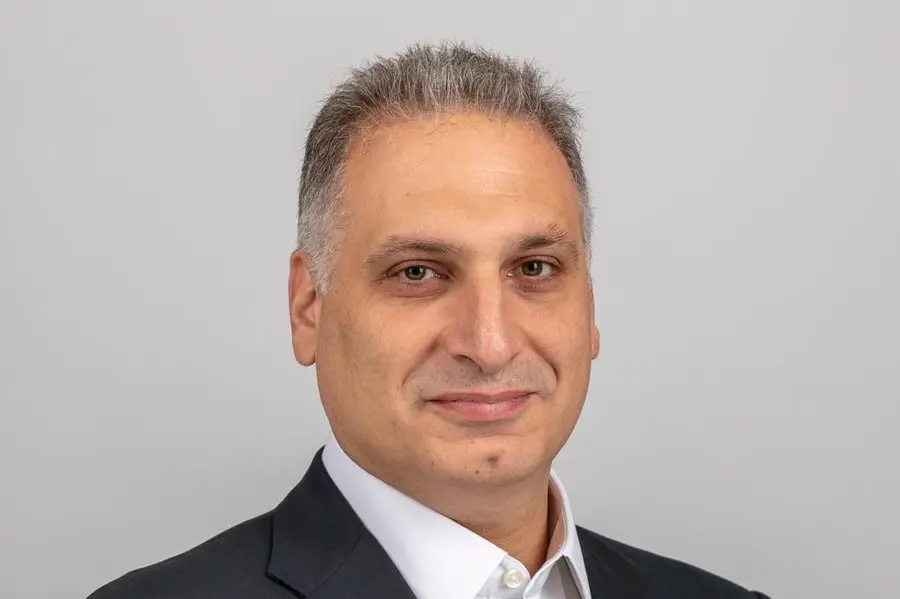
BEIRUT: Special Tribunal for Lebanon registrar Robin Vincent said Friday that local media reports were "absolutely untrue" that he would soon sign agreements with a number of countries to set up witness-protection programs or issue a report next week on the tribunal's progress.
"In terms of being close to signing agreements, nothing could be further from the truth," Vincent told The Daily Star. "I can assure you, we will not be discussing individual agreements signed with any state." Vincent added that he was "absolutely kind of amazed" by the false information, which he said was "quite bizarre."
Local media outlets published reports on Friday giving supposed details about the witness-protection program and other tribunal news.
One article said Vincent would present a report within a week on measures taken by the tribunal since its March 1 inauguration, but Vincent said he had not made any such statement. "There's nothing being drafted as I speak which is going to be released to the media," Vincent said from the tribunal's headquarters in Holland's The Hague.
The inaccurate reports also claimed the registrar has said the tribunal would be efficient, but Vincent said he would never engage in publicly evaluating the tribunal's performance and such an appraisal was not his to make.
"I certainly would not say and have not said that the tribunal would be efficient," he said. "That judgment ... will be others' to make."
Friday's untrue report did not mark the first such white elephant about the tribunal to be trumpeted by local media, Vincent added. "It's not the first time it's happened," he said. "It's just very disappointing, sometimes."
The court has long figured as one of the major issues polarizing Lebanon's feuding political factions. The March 14 alliance has fingered Syria as the culprit in Hariri's assassination, which led to the exit of Syrian troops from Lebanon after a 29-year presence. Damascus has denied any involvement with the killing, and the Syrian-backed March 8 coalition has voiced fears that the tribunal could be manipulated for political ends.
Vincent said he wanted the tribunal to let the public know about its activity, adding that he was well aware of the intense fascination in Lebanon with the tribunal. "We want people to know when we've made progress, but that will happen when we've got something to say," he said. "I know there's a lot of interest in the more kind of high-profile matters."
As an example, the registrar said he had seen considerable "speculation" about the identities and swearing-in of the tribunal's 11 judges, four of whom are Lebanese.
The names of the judges - as well as the date they join the tribunal and hold their first, crucial meeting about procedural rules - have all remained secret because of fears for their safety, Vincent said.
Vincent added that he hoped he would be able to talk more openly about the tribunal's work in the coming weeks.
"A significant amount of progress has been made," he said. "I have been quite deliberately vague about what that progress has been."
Concerning the witness-protection program, Vincent held a meeting on Friday afternoon with an unidentified official about the issue, but their session did not presage any imminent signing, the registrar said.
The court's first senior witness-protection officer began working this week, after Vincent had been managing the department, Vincent said.
Vincent, a British citizen who previously served as registrar in the Special Court for Sierra Leone, has experience with witness protection from earlier posts, he added.
Meanwhile, construction of the tribunal's courtroom will not be finished before October and probably not before January 2010, Vincent said. The registrar has selected a construction firm and has reached agreements to build a courtroom out of the former gymnasium in the tribunal's headquarters, which used to belong to the Dutch intelligence services, Vincent added.
However, judges will be able to conduct any pre-trial hearings or needed proceedings before the courtroom is ready, the registrar said. "This is not a delaying factor," Vincent added.
Despite the media fanfare surrounding the tribunal's activity, a number of insiders in the international justice community have said that any potential verdicts remain years away. Anyone indicted by the tribunal, regardless of nationality, will certainly raise legal challenges to the tribunal's legitimacy in advance of any potential trials, lawyers have said.
Defendants will question the circumstances of the tribunal's founding, the Security Council's authority and the Lebanese Parliament's failure to approve the bilateral treaty, the legal insiders added. In addition, political analysts have said that the emerging rapprochement between Syria and its former Western and Arab rivals could well affect the ultimate impact of the tribunal and its potential verdicts.
Copyright The Daily Star 2009.