PHOTO
Disruption to marine traffic in the Middle East Gulf will not only prevent the region's smelters from exporting aluminium but also stop them receiving the raw materials they need to keep producing metal, analysts say.
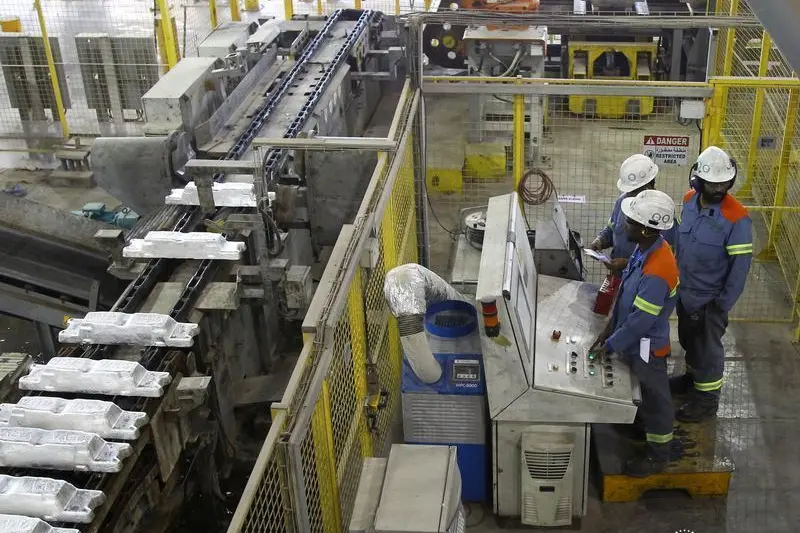
Gulf Cooperation Council countries churn out around 8% of the world's aluminium, and their smelters rely on imports of alumina via the Strait of Hormuz to make primary metal. That supply line is now frozen as vessels steer clear of the strait following the U.S.-Israeli attacks on Iran.
Ben Ayre, lead metals analyst at shipping data provider Kpler, said 407,000 metric tons of alumina is on the water en route to the region's smelters. Of that, only 61,000 tons has already made it into the Mideast Gulf, said Ayre, adding that much of the material was from Australia.
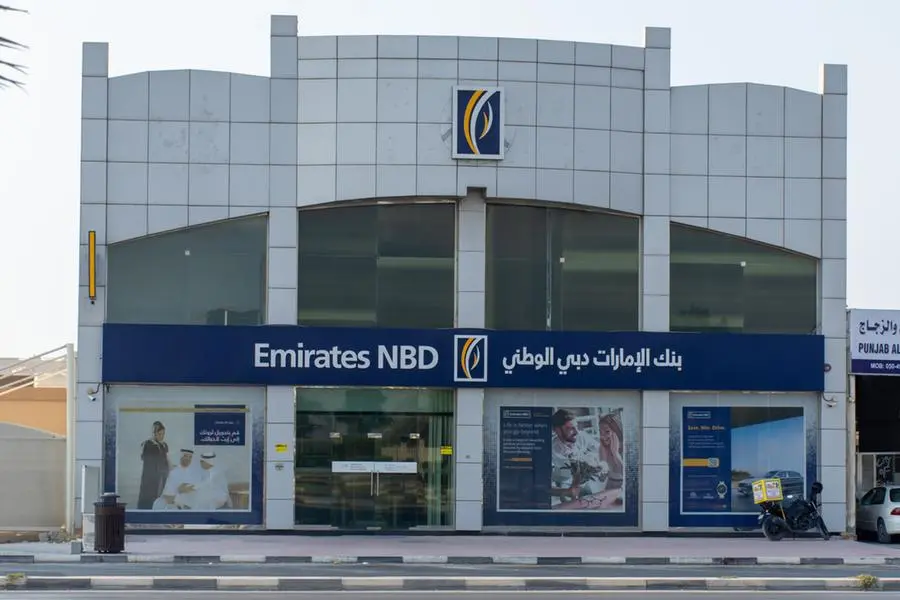
Intended destinations include Emirates Global Aluminium's Dubal smelter in the United Arab Emirates, Aluminium Bahrain and Qatalum, a joint venture between Qatar Aluminium Manufacturing Co and Norsk Hydro, he said.
"Most plants will run high safety stock - four-eight weeks," Paul Adkins, managing director of aluminium consultancy AZ Global, estimated of smelter alumina inventories.
A Hydro spokesperson said the company was assessing measures to ensure continuity in raw material deliveries to its Qatari smelter.
"Qatalum has supplies stocked at site, so there are no immediate impacts," the spokesperson said, adding that the smelter is continuing operations with reduced personnel.
Kpler's Ayre meanwhile estimated there were 545,000 tons of bauxite - an ore refined to make alumina - on the water heading for EGA's Al Taweelah alumina refinery, the region's sole bauxite importer.
Just under half of that, 263,000 tons, has already passed the Strait of Hormuz and is in the Mideast Gulf, he added.
One vessel, understood to be carrying Al Taweelah's first bauxite cargo from Sierra Leone, was on course for the UAE as of Saturday morning when the attacks began, but has since anchored off the Gulf of Oman, Ayre said.
EGA did not immediately respond to a request for comment. (Reporting by Tom Daly and Dylan Duan; additional reporting by Polina Devitt; Editing by Jan Harvey)