Wednesday, 20 September 2006
RIYADH: Your Iqama (residence permit) will not be renewed if you do not have health insurance.
Saudi Arabia began enforcing the mandatory health insurance scheme for expatriate workers linking it with their Iqama renewal from July 15 this year, said Dr. Abdullah I. Al-Sharif, Secretary General of Council of Cooperative Health Insurance (CCHI).
"No expatriate can have his/her iqama renewed without a valid health insurance policy, which will be provided to them (foreign workers) by their respective sponsors/employers," he said.Dr. Sharif was speaking to The Saudi Gazette after presiding over a session in the First International Cooperative Health Insurance Forum which was opened in Riyadh Tuesday by Dr. Hamed Bin Abdullah Al-Mane', Minister of Health.
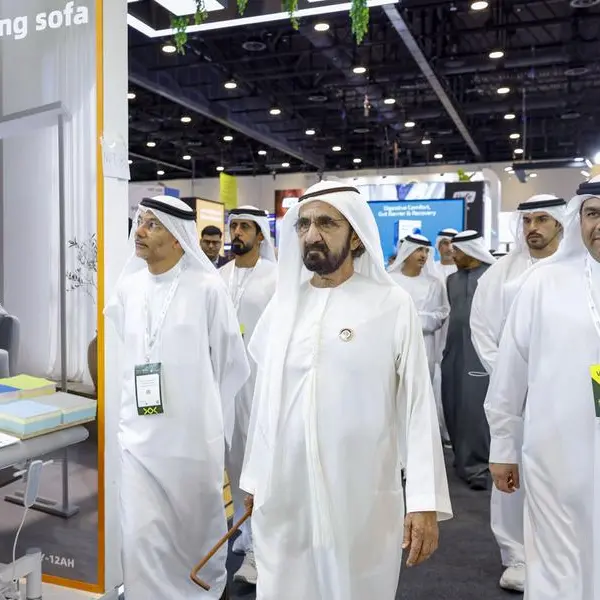
Around 500 medical experts, representatives from the insurance companies and policy makers are participating in the three-day forum, organized by the Ministry of Health and CCHI. An exhibition is being organized on the sidelines of the forum.
As a first phase, the CCHI, an independent body supervised by MoH, has started to implement the mandatory health insurance scheme in companies with 500 and more workers. The implementation of the scheme will follow a descending order on the number of employees in a company, which in the second phase includes workers below 500, 100 and then domestic helpers, he said.
As and when iqama of an expatriate in all categories is required to be renewed the employer must get the cooperative health insurance policy first, he said.
He said the CCHI is implementing the mandatory health insurance scheme gradually to also include domestic helpers such as maids and house drivers. "Expatriates in all categories whose iqama expires by December end this year will be enrolled under mandatory health insurance scheme," he said.
Dr Sharif said that since the implementation of the scheme about two months ago around 504,000 expatriates have been enrolled under mandatory health insurance. "The number of expatriates receiving health insurance card is increasing every day," he said.
He said the sponsors/employers had earlier resisted linking the iqama renewal with health insurance policy. "But they started to comply because health insurance is a national strategy."
Around six million foreigners of various nationalities are working in Saudi Arabia.
As per the Royal Decree the next phase of the mandatory health insurance will include Saudi nationals, he said.
Dr. Sharif admitted saying that some malpractice of the health insurance sector is being reported. Everyone knows that some abusive practices are going on in the health sector "and I would be a liar if I don't admit that," he said adding that this is not the right time to discuss that issue.
He, however, said that the Health Minister has recently announced the formation of a committee to deal with violators of rules in the health insurance sector.
Dr. Sharif described the Forum as significant because it is organized for the first time in the Kingdom and it has invited some international representatives from health insurance companies, health services providers and the regulator of the sector.
The Forum has a special session from health experts invited from GCC countries, who would share their experience in the CHI, Dr. Sharif said.
The three-day forum has been divided into sessions to discuss issues and problems related to the Kingdom's health sector, which include corporate companies in health insurance, health services providers and rules and regulation.
International representatives will exchange ideas and share their experience for the Kingdom to benefit from, he said.
Saleh N. Al-Omair, CEO of National Council for Health Insurance Standards, a participant on the occasion said the Forum could prove a turning point for the Kingdom's health insurance sector.
The organizing of the Forum suggests Kingdom's preparation to develop a mechanism of coding system for the medical specialists by which the country's health insurance coverage can reach the international level, said Al-Omair, a former CEO of National Cooperative Council for Insurance (NCCI) in Saudi Arabia.
He said the Kingdom needs to develop infrastructure for the health insurance sector, which include standardized system for billing, medical diagnosing codes which are understood and accepted internationally, and a robust training program for the health personnel.
Al-Omair, who is presenting a paper on Infrastructure Development, said the Kingdom's health sector will soon launch a massive training program for over 3,000 health personnel at national level.
By Shahid Ali Khan
© The Saudi Gazette 2006