The impact of surging engineering, procurement and construction (EPC) costs for expansions, refurbishments and new-build projects, plus the surge in rig rates, has been a feature of the petroleum, petrochemical and power industries in the Middle East over the last two years. But as oil prices look set to stay firm in the foreseeable future, limited capacity among contractors has also sparked a subtle shift in the relationship between developer and contractor. Reputable contractors are finding they can choose between projects while shifting some of the project risk back on to sponsors, as Melanie Lovatt and Bill Farren-Price report.
There is little evidence that the uptrend in costs for oil and gas, petrochemical and power/water projects of the past two years is about to abate. Resilient high prices for oil and other commodities have combined with limited contracting capability in the face of a global rush to add capacity in all sectors of these industries. In some countries, this desire has exceeded local and international appetites for new business. In Egypt, for example, plans to construct a $200mn 86,000 tons/year linear alkyl benzene (LAB) plant in Alexandria were delayed by over one year by the absence of appropriate contractors to construct the plant, MEES learns (MEES , 19 July 2004). In Egypts upstream sector, Shells plans for an exploration drilling campaign on the North East Mediterranean Deepwater (NEMED) concession have been held back by delays in the arrival of a deep-water drilling rig from Brazil (MEES , 26 December 2005). Phase 1 of the countrys Petrochemicals Master Plan, under which five major new projects are to be established by 2009, is also running behind schedule, in part due to cost pressures. In Qatar, the rise in EPC costs has been publicly identified as a factor behind the emirates decision to introduce a moratorium on new gas development projects (MEES , 23 May 2005 and 27 February 2006).
Offshore Rigs Rates Soar
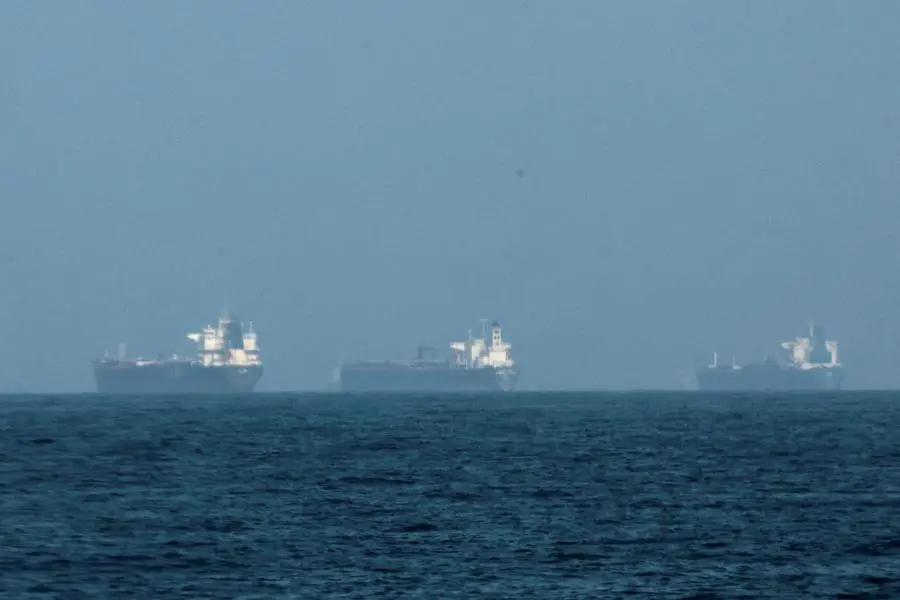
The scarce availability of drilling rigs and well services contractors in the region demonstrates that capacity limits are being hit reflected in surging rig day-rate prices. Mike Salter, CEO of Aberdeen-based drilling contractor and oilfield services company Abbot Group, told MEES that the land-rigs market was effectively a commodity one, with day rates for rigs coming off contracts being re-allocated at higher rates. The yardstick of day rates was less useful for gauging the market for land rigs than for offshore drilling units, because land rigs were usually allocated under long-term drilling contracts. Nevertheless, Mr Salter said, we anticipate an increase of 5% over the next 12 months. But contractors costs are also going up. For example, there is huge pressure to hire experienced people, and such additional costs have to be recovered. Within the Middle East, an additional trend was the increasing requirement for more powerful rigs with additional capabilities, as the regional increase in gas developments required the targeting of deeper structures, he said.
Rod Hutton, Managing Editor for Rigs at Aberdeen-based analyst ONS Petrodata, told MEES the worldwide rig market tightness had seen offshore charter rates soar. Jack-up day rates are at their highest level ever, with companies reporting contracts as high as $185,000/day, compared with less than $50,000/day a year ago. Similarly, deepwater semi-submersible day-rates have shot up, from $180,000-200,000/day two years ago to $475,000-500,000/day now. The jack-up market is tight worldwide, not just in the Middle East, Mr Hutton continued. There is a lot of demand, and drilling companies are reporting near 100% rig utilization at the moment. With jack-ups being the main type of offshore rig in use in the relatively shallow waters of most of the Middle East, Mr Hutton estimated that some 15-20 new jack-ups would be needed to meet producers plans for drilling there, in addition to the 68 jack-ups already operational. At the moment, he added, there were 43 new jack-ups being built around the world, plus 13 semis and two drill-ships. This is the biggest wave of newbuild rigs in the last 10 years, he said. The indications are that the large number of jack-ups under construction will not kill off market demand, but that also depends on what happens to oil prices.
In some cases, sponsors like Qatar have responded to the new cost environment by easing the pace of development, which should ease some of the pressure on prices in due course. But others such as Saudi Aramco have been able to exert even more pressure on contractors to beat targets through offering aggressive performance-related bonuses for contractors who are able to bring projects on-stream ahead of schedule. This has enabled the kingdom to complete projects such as the Qatif/Abu Safah increment and the Haradh-3 project ahead of schedule while bringing forward estimated completion dates for its other major increments as well (MEES , 6 March and 13 February, and 18 August 2003).
Ground Shift In EPC Contractor/Sponsor Relationships
But the thinning of spare capacity in the EPC sector and the rise in costs are affecting both the scheduling of projects and also relationships between contractors and project sponsors/developers. In a sellers market, contractors are more selective about projects they take on and in some cases have been able to renegotiate contracts to switch project risk back onto sponsors. The use of established contractors by project sponsors also has a bearing on project finance, since banks are less willing to provide aggressive pricing to new projects using new entrants to the EPC market especially when the project is large and the technology employed complex.
But not all contract cost rises can be pinned on capacity. A senior business manager with a major EPC contractor active across the Gulf told MEES that recent cost increases in the oil and gas sector had typically resulted from variations in exchange rates or clients changing project scopes. Rising costs of raw material, such as steel, had also pushed up project prices, but this had been of more concern in 2004 when steel prices jumped over 60% in three months. While raw material costs were still mostly outpacing inflation, they were not climbing by the same amount. We are not courting any more lump-sum work in the short term, the business manager said. But timing is everything. We will not sign another major lump-sum EPC construction contract in the oil and gas industry tomorrow; but in six months time it may be different. He added that EPC contractors could now be more selective because there were more projects on which to bid; contractors were becoming more reluctant to shoulder risk and had pushed for changes in contracts, attempting to push risk back onto sponsors: The Middle East is still set on the lump-sum turnkey (LSTK) contract and where low-tech plants are involved, it is still accepted by the contracting world. However, where risky or different technology is involved, there is growing reluctance. We wouldnt entertain it. One approach has seen Gulf sponsors allow EPC contractors to convert to LSTK later in the project, once high risk issues have been shouldered by the client.
For companies working in the Gulfs fast-growing power sector, the pressures are becoming intense. The limited number of qualified turbine manufacturers is a huge constraint, said Ranald Spiers, International Powers CEO Middle East and Africa. Speaking at a project finance conference in Paris, Mr Spiers said lack of competition in power plant construction was pushing up prices. What really worries me is the shortage of good EPC contractors. We could have a catastrophe in the future, he warned. He called on off-takers to stick to a realistic schedule for new power projects: Problems start when we are suddenly forced to produce early power. Mr Spiers called on banks to take a more progressive view of what is acceptable in terms of new entrants to the market. If a newer EPC contractor ran a $2bn project, would bankers accept it? he asked.
Looking forward, there is little expectation among sponsors that capacity constraints in the contracting arena will ease. According to Shells Director of Project Finance Bill Pierson, competitiveness of projects has been eroded by a 30-50% rise in underlying costs. Also speaking in Paris, Mr Pierson said he expected the pressure on the sector to continue through to 2009. If demand stays where it is, the question is how are these things going to get done?, he asked. It seems certain that while oil prices remain at their present firm levels, the incentive to push ahead with power and petroleum expansions will continue. If so, the swift acceptance of new players in the contracting sector both by sponsors and banks will be critical to any easing of capacity pressures.