MUSCAT -- The Sultanate of Oman will host the first International Conference on the Management of Ballast Water and the Impact of Exotic Pelagic Organisms from February 17 to 19, organized by the Ministry of Environment and Climate Affairs in collaboration with Aquatic Ecosystems Health and Management Society, Canada. It will be participated in by a number of international organizations and agencies from outside the Sultanate and public and private organisations. Sulaiman bin Nasser Alakhozma, Director of Planning and Studies Department and the Acting Director of Pollution Operations Monitoring Centre at the Ministry of the Environment and Climate Affairs confirmed that this conference will host a number of experts. It is expected to attract those interested in the management of ballast water and the impact of invasive species from various countries around the world to find out the latest developments and the latest techniques used in water ballast risk management as well as to exchange experiences and raise awareness about this issue.
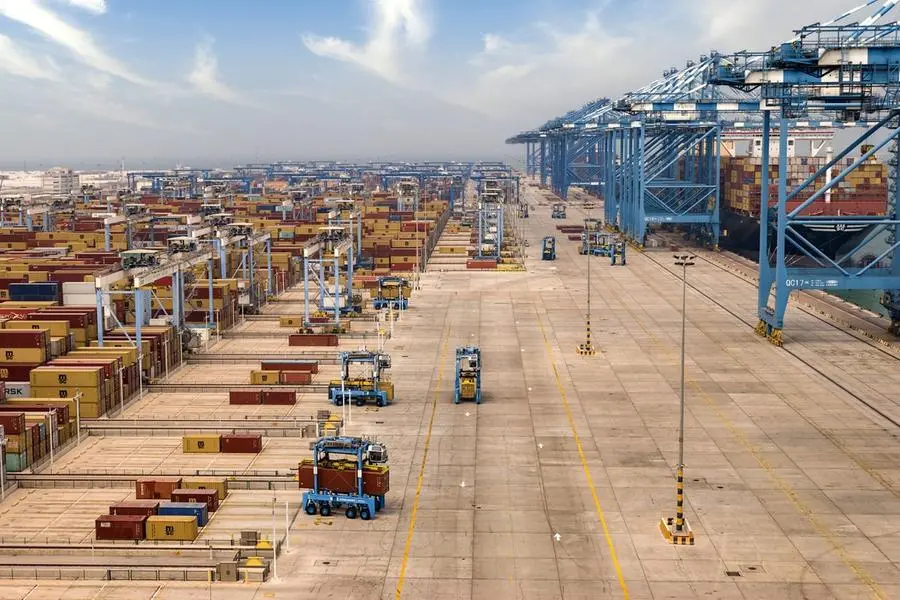
According to Sulaiman Alakhozma, the area of the Gulf and the Arabian Sea, which is one of the global shipping paths, is characterised by active navigation movement. This prompts the government to use international tools to preserve the integrity of the marine environment and its natural resources by obligating all crossing ships to comply with regulations and environmental legislation applicable in the Sultanate. However, because of the large number of those ships, it is observed that some discharges of ballast water are infringing regulations, which directly affect the safety of the marine environment. He explained that ballast water is water taken up from the sea to maintain ship stability and balance which has various species. These species, however, are transported from one port to another as ships sail to different ports, thus introducing invasive species, either harmful or benign, into new environments which affect the biodiversity of native aquatic environment.
Regarding harmless species, they are rarely able to reproduce if they survive during the voyage or reproducing for a short period and eventually depletes. On the other hand, harmful organisms are likely to adapt to the new aquatic environment and cause imbalance to the ecosystem as well as causing health and economical impacts. Alakzamy pointed that there are two types of vessels (oil tankers) carrying ballast water: first generation and second generation. First generation vessels contain solo loading tanks which are filled up with sea water after unloading and expelled out into the marine environment before loading. Since this type of pollution has a direct impact on the safety of the marine environment, IMO highlighted the need to switch to second-generation vessels. Second- generation vessels contain two tanks; one for ballast water and the other for oil. It is worth mentioning that second-generation vessels ballast water does not contain hydrocarbons except vector-borne species.
Regarding the most extensive damage caused by ballast water, Eng Sulaiman Alakzamy said that when ship tanks filled up with ballast water, many species are transported to different environments. While many of them don't survive, the others survive challenges and adapt to the new environment. Different from their original environment, these species become more invasive and outnumbering indigenous species. These species directly affect the food chain of host environments which results in eliminating the existing species or creating harmful species. Consequently, these subversive species directly affect the safety of the environment and its natural components. Sulaiman Alakhozma points out that: 'Because of the damages caused by ballast water to the environment as a result of disorganised ballast water discharge, many countries have suffered from the impact of ballast water on native species. As a consequence, several organisations are looking for solutions to limit violations resulting from the discharge of ballast water into the marine environment.
Some organisations are figuring out solutions to mitigate the impact of ballast water prior to its discharge, such as installing treatment plants on the deck before dumping it into the marine environment. Suleiman concludes "IMO has prepared an agreement for the ballast water addressing developing systems, legal standards and legislation, and guidance related to the regulating, transfer and discharge of ballast water from ships into the marine environment and vice versa in accordance with international standards and guidance under the Convention.
© Oman Daily Observer 2014