02 November 2011
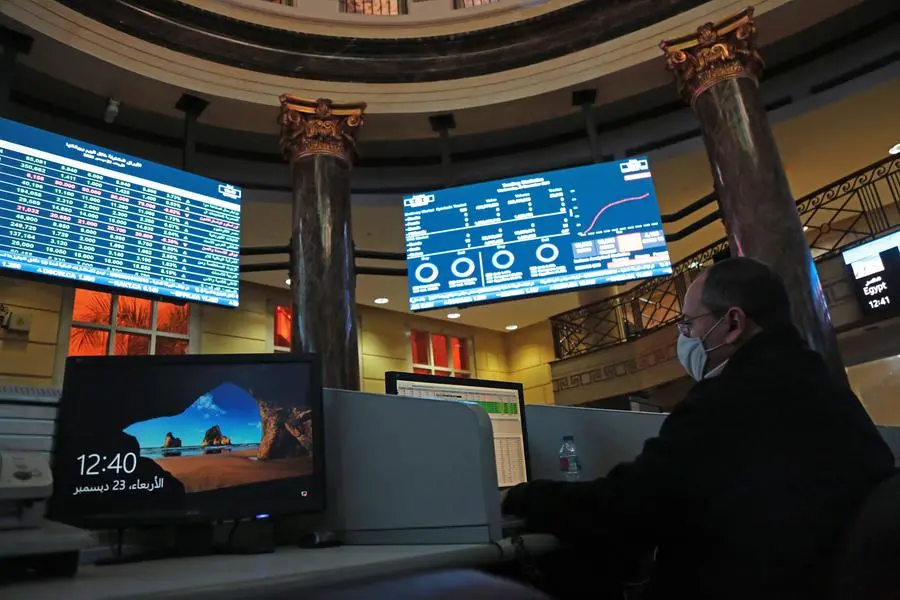
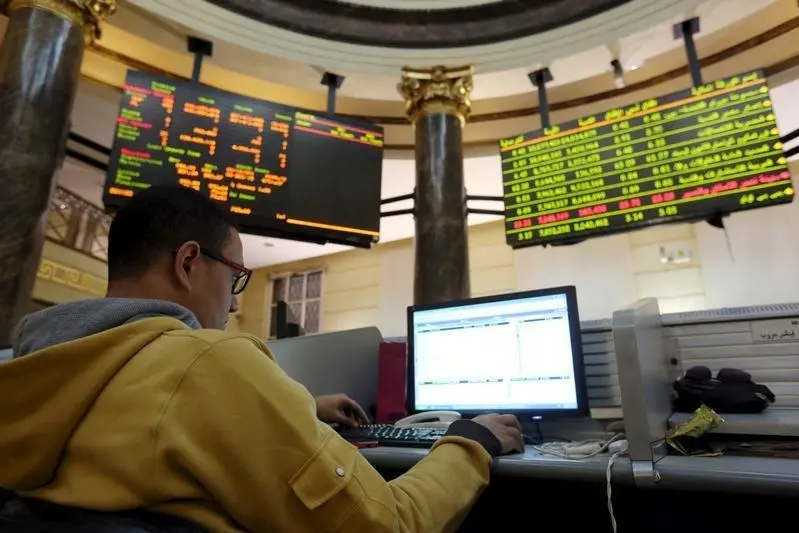
MUSCAT -- Like a number of other Gulf markets, Muscat Securities Market (MSM) was also influenced by regional and international events during the first nine-months of 2011, Kuwait-based Global Investment House said in an assessment of the Omani bourse's performance.
Although the 'Arab Spring' had limited impact on Oman, MSM tracked the rest of GCC markets. It was also affected by the political and economic unrest in the world. The MSM 30 index registered a decline of 17.06 per cent during 9M2011, to reach 5,602.29 points.
Trading Activity
During the first nine-months of 2011, the Omani market experienced sluggish trading activity as a total of 1,861.6 million shares were traded during 9M2011 at an aggregate value of RO 799.16 million ($2.1 billion).
BankMuscat, the largest listed company in terms of market capitalisation, was the most traded stock in 9M2011 with a total volume of 184.58 million shares traded. The bank topped value leaders' list in 9M2011 as well with an aggregate traded amount of RO 149.53 million ($387.28 million). BankMuscat was the major contributor to the aggregate net profit of the banking sector with a net profit amounting to RO 87.2 million in 9M2011 compared to RO 72.23m recorded in the corresponding period of 2010.
Sectoral Performance
Heavyweight stocks did not perform well in 9M2011 and could not support the market sectoral indices. All three market sectors were hit during 9M2011. The Banking & Investment sector was the biggest decliner with a noticeable drop of 24.07 per cent.
BankMuscat reported massive losses of 19.79 per cent to close at RO 0.671. Bank Dhofar was also a prominent decliner in 9M2011 shedding 18.78 per cent to close at RO 0.535. Investment companies also played a major role pulling the sector into the red zone. Dhofar International Development and Investment Holding Company ended the period under review down by 22.26 per cent, reaching RO 0.419. Oman National Investment Corporation Holding (ONIC) went through turbulent nine-months ending it at RO 0.184, with 45.88 per cent loss.
The Industrial Index followed with a loss of 16.75 per cent in 9M2011. Heavyweight cement companies retreated with Raysut Cement losing 18.2 per cent of its value to close at RO 1.002. Oman Cement Company also declined by 28.13 per cent, reaching RO 0.460. While Oman Flour Mills experienced a challenging nine-months, posting 32.24 per cent loss and closing at RO 0.435.
The Services & Insurance Index declined by 10.09 per cent. The largest listed services company in terms of market capitalisation, Oman Telecommunication Company's (Omantel) shares prices recorded a decline of 10.4 per cent during nine-months ending in September 2011 and closing at RO 1.146. The actively traded stock, Oman Qatari Telecommunication Company (Nawras), was also amongst the decliners dropping by 19.75 per cent to close at RO 0.638. Also, Renaissance Services and Galfar Engineering and Contracting lost 42.26 per cent and 37.50 per cent from their share values to close at RO 0.642 and RO 0.350 respectively.
During 9M2011, out of 103 companies that were traded 68 stocks declined, while 23 advanced and 12 ended unchanged. Financial Services Company led decliners' list for the 9M2011 with 53.72 per cent loss to reach RO 0.056.
On the gainers' front, Oman Refreshment Company SAOG topped the gainers' list with a growth of 129.38 per cent in its share price to close at RO 1.161. Shareholders of the Company at the Extraordinary General Meeting and Annual General Meetings approved to change the nominal value of share from RO 1 to 100 baisas each and to split the paid up share of RO 1 each into 10 shares of 100 baisas each. The Shareholders approved a stock dividend at the rate of 66.67 per cent (2 free bonus shares for every 3 shares held by the shareholders). The Share holders also approved a cash dividend at the rate of 100 per cent of the face value of paid up share capital.
Market Capitalisation
By the end of 9M2011, market capitalisation of listed companies on the Omani bourse stood at RO 6.65 billion ($17.2 billion) compared to RO 7.80 billion ($20.26 billion) recorded at the end of FY2010, recording a decline of RO 1.15 billion ($2.01 billion) or -14.73 per cent decrease.
"With the international markets reacting positively to the new deal for the Euro-debt crisis and positive expectations for Oman after International Monetary Fund (IMF) forecasted a 4.4 per cent growth in real GDP in 2011 compared to 4.1 per cent in 2010, Muscat Securities Market is expected to see some increase in trading activity as well in the coming period towards the end of the year," Global stated in conclusion.
MUSCAT -- Like a number of other Gulf markets, Muscat Securities Market (MSM) was also influenced by regional and international events during the first nine-months of 2011, Kuwait-based Global Investment House said in an assessment of the Omani bourse's performance.
Although the 'Arab Spring' had limited impact on Oman, MSM tracked the rest of GCC markets. It was also affected by the political and economic unrest in the world. The MSM 30 index registered a decline of 17.06 per cent during 9M2011, to reach 5,602.29 points.
Trading Activity
During the first nine-months of 2011, the Omani market experienced sluggish trading activity as a total of 1,861.6 million shares were traded during 9M2011 at an aggregate value of RO 799.16 million ($2.1 billion).
BankMuscat, the largest listed company in terms of market capitalisation, was the most traded stock in 9M2011 with a total volume of 184.58 million shares traded. The bank topped value leaders' list in 9M2011 as well with an aggregate traded amount of RO 149.53 million ($387.28 million). BankMuscat was the major contributor to the aggregate net profit of the banking sector with a net profit amounting to RO 87.2 million in 9M2011 compared to RO 72.23m recorded in the corresponding period of 2010.
Sectoral Performance
Heavyweight stocks did not perform well in 9M2011 and could not support the market sectoral indices. All three market sectors were hit during 9M2011. The Banking & Investment sector was the biggest decliner with a noticeable drop of 24.07 per cent.
BankMuscat reported massive losses of 19.79 per cent to close at RO 0.671. Bank Dhofar was also a prominent decliner in 9M2011 shedding 18.78 per cent to close at RO 0.535. Investment companies also played a major role pulling the sector into the red zone. Dhofar International Development and Investment Holding Company ended the period under review down by 22.26 per cent, reaching RO 0.419. Oman National Investment Corporation Holding (ONIC) went through turbulent nine-months ending it at RO 0.184, with 45.88 per cent loss.
The Industrial Index followed with a loss of 16.75 per cent in 9M2011. Heavyweight cement companies retreated with Raysut Cement losing 18.2 per cent of its value to close at RO 1.002. Oman Cement Company also declined by 28.13 per cent, reaching RO 0.460. While Oman Flour Mills experienced a challenging nine-months, posting 32.24 per cent loss and closing at RO 0.435.
The Services & Insurance Index declined by 10.09 per cent. The largest listed services company in terms of market capitalisation, Oman Telecommunication Company's (Omantel) shares prices recorded a decline of 10.4 per cent during nine-months ending in September 2011 and closing at RO 1.146. The actively traded stock, Oman Qatari Telecommunication Company (Nawras), was also amongst the decliners dropping by 19.75 per cent to close at RO 0.638. Also, Renaissance Services and Galfar Engineering and Contracting lost 42.26 per cent and 37.50 per cent from their share values to close at RO 0.642 and RO 0.350 respectively.
During 9M2011, out of 103 companies that were traded 68 stocks declined, while 23 advanced and 12 ended unchanged. Financial Services Company led decliners' list for the 9M2011 with 53.72 per cent loss to reach RO 0.056.
On the gainers' front, Oman Refreshment Company SAOG topped the gainers' list with a growth of 129.38 per cent in its share price to close at RO 1.161. Shareholders of the Company at the Extraordinary General Meeting and Annual General Meetings approved to change the nominal value of share from RO 1 to 100 baisas each and to split the paid up share of RO 1 each into 10 shares of 100 baisas each. The Shareholders approved a stock dividend at the rate of 66.67 per cent (2 free bonus shares for every 3 shares held by the shareholders). The Share holders also approved a cash dividend at the rate of 100 per cent of the face value of paid up share capital.
Market Capitalisation
By the end of 9M2011, market capitalisation of listed companies on the Omani bourse stood at RO 6.65 billion ($17.2 billion) compared to RO 7.80 billion ($20.26 billion) recorded at the end of FY2010, recording a decline of RO 1.15 billion ($2.01 billion) or -14.73 per cent decrease.
"With the international markets reacting positively to the new deal for the Euro-debt crisis and positive expectations for Oman after International Monetary Fund (IMF) forecasted a 4.4 per cent growth in real GDP in 2011 compared to 4.1 per cent in 2010, Muscat Securities Market is expected to see some increase in trading activity as well in the coming period towards the end of the year," Global stated in conclusion.
© Oman Daily Observer 2011