PHOTO
By Mohammad Shoeb | The Peninsula
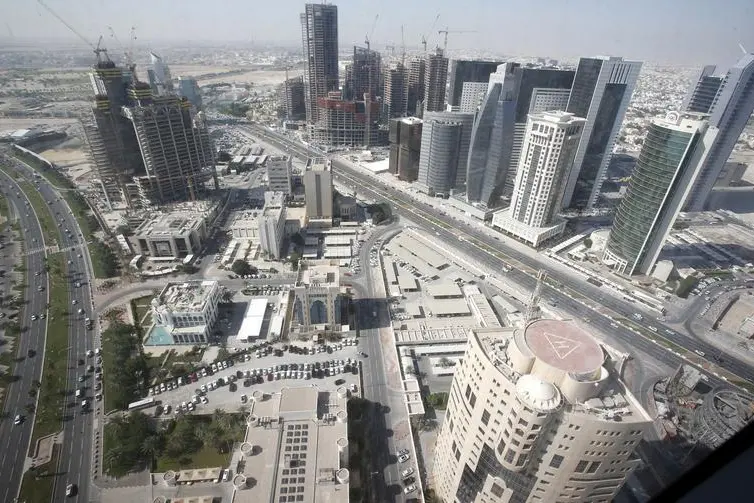
With the banks reportedly adopting stricter lending conditions, Qatar’s real estate sector is facing increasingly greater challenges. A leading developer, the SAK Holding Group, said yesterday that the tightening liquidity conditions are putting real estate sector under pressure. The market is badly in need for the governemnt intervention.
Real estate sector is alreadyn hit by significant fall in rents as well as the prices of properties, especially the rates of the empty plots of land, as developers are acting very cautiously, and urging from the government to address the liquidity problem.
“The real estate market entered 2017 affected by the repercussions of last year’s performance. This can be seen in a set of signs and indicators, the most evident of which are the growing trend to reduce the liquidity directed to the real estate sector, raising lending interest rates, banks strictness in financing the real estate sector,” SAK Holding Group said in its latest report yesterday.
“The complexity of guarantees required for getting real estate financing, leading developers to avoid large sized projects, and search for quick steady returns by trading in built residential and commercial properties suitable for investment”, the developer said.
The prices of empty lots of land has dropped by 15 to 20 percent , and in remote areas away from Doha where there is no infrastructure projects, it has declined by about 25 percent. The SAK Holding’s Market Watch Office noted that the real estate market in Qatar is reconsidering its positions due to the foggy state, limited variance of prices in different regions, correction of prices of empty lots of lands, and the rend of land plots being put out for rent by their owners.
Reiterating on the impact of the slowdown and lull performance of the real estate market, the report highlighting that during last year (2016), the total value of real estate transactions declined to QR27bn, registering a sharp decline of 109.3 percent compared to QR56.13bn in 2015.
The pace and value of the transactions of the real estate market is subsiding because of excessive precautionary measures taken by banks in the context of granting real estate loans, also exaggerated collaterals and high interest rates on loans in general, which impacted the real estate liquidity, and drove developers and investors to reconsider their positions, and wait for the government to urge banks to deal thoughtfully with the needs of the real estate sector.
© The Peninsula 2017




















