Consumer sector remains bright spot
KUWAIT CITY: GDP growth could reach a healthy-looking 5.4% in 2012, but growth in the non-oil sector, at 4%, will remain below the regional average. Two key factors are holding the economy back: the slow pace of execution of the government's four-year development program (2010/11-2013/14), and lingering effects from the financial crisis, which have undermined business confidence. In addition, structural reforms are needed in labor and product markets to improve the economy's underlying growth potential.
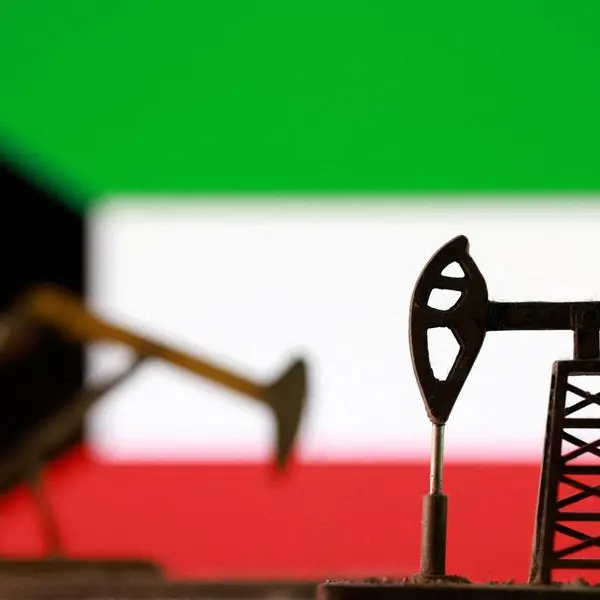
Crude oil output jumped by 16% y/y to 2.9 million barrels per day (mbpd) in mid-2012, its highest level for years (other sources put output at 3 mbpd, closer to its maximum capacity of 3.3 mbpd). Despite the recent fall in oil prices, we assume that output remains close to current levels throughout the year and next as OPEC seeks to rebuild global crude inventories and support global growth. This translates into a strong 8% increase in real oil GDP this year but no growth in 2013. High output levels increase the importance of implementing the sector's expansion plans, which have been held up by technical and political factors.
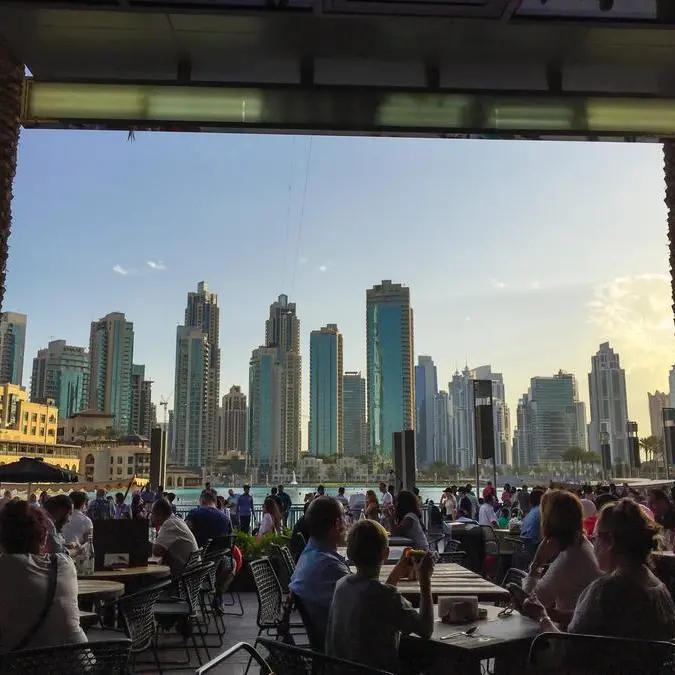
The consumer sector remains the bright spot of the non-oil economy, supported by high employment levels and large government-inspired salary and benefit increases for nationals. New retail developments have provided an outlet for spending growth. Activity in other sectors remains more subdued, with firms hesitant to take on more debt and lacking a major trigger to invest. One notable exception has been the residential property sector, where land and building sales have surged.
Targeted public development plan spending for 2012/13 has been set at KD 5.5 billion, up 5% y/y. Based on estimated spending rates in previous years (58-62% of targeted), this could boost total fixed investment by 0.3% of GDP, though some of this may leak abroad. The increase in planned spending comes largely in the electricity sector. Proposed public-private projects (PPPs) continue to be delayed by administrative and bureaucratic hurdles, though the first - the Al Zour power station - could start in 3Q12.
Consumer price inflation is expected to average 3-4% this year and next, little changed from recent levels. Previously high food price inflation has decelerated as the lagged effect of falls in global food prices has taken hold. Although consumer spending will remain strong, soft monetary conditions and a strong US dollar are expected to help keep inflation low.
Despite a projected dip in oil prices, budget and external surpluses will continue to be very large.
Government spending could leap by as much as 17% in 2012/13 in light of recent increases in public sector pay and social spending. Oil revenues, however, could also increase on higher than expected production levels. The net effect is a slight decrease in the budget surplus to 23% of GDP. We assume that spending growth slows to 5% in 2013/14. Nevertheless, fiscal policy will continue to provide key support for the economy while private sector activity recovers.
© Arab Times 2012