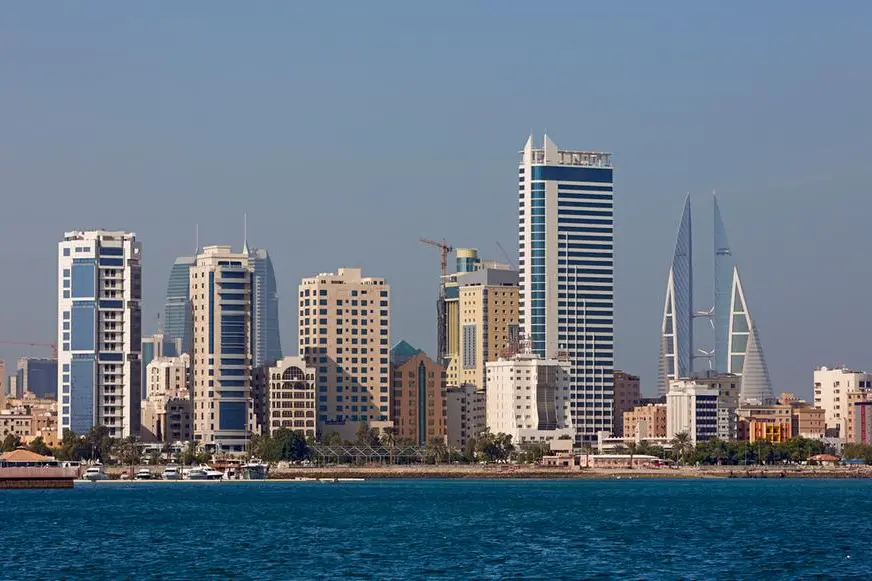
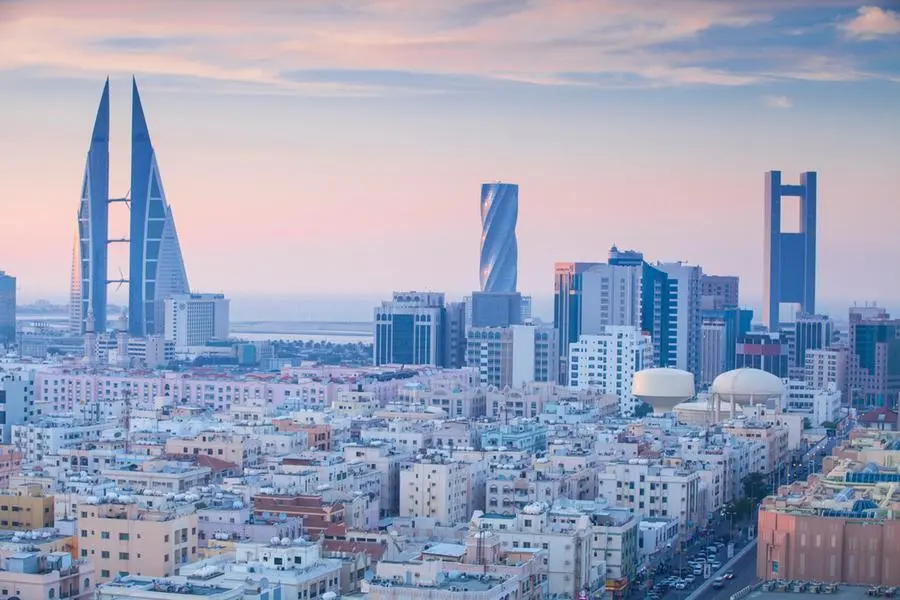
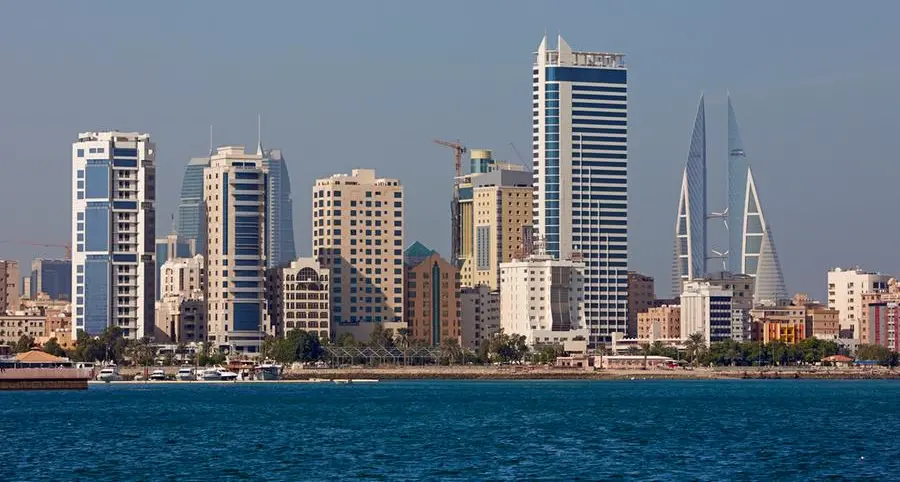
Global technology and solutions giant IBM has been operating in the Middle East for more than 60 years since it opened its first regional office in Bahrain in 1947. It has cross-industry capabilities covering healthcare, oil and gas, telecommunications, banking, government and transport, sectors that have been growing quickly in the region.
Takhreem El Tohamy, general manager of IBM Middle East and Africa, speaks to Zawya about his company's constant push for expansion in the region and the diverse territories he handles.
Middle East and Africa covers diverse countries. How do you handle the diversity?
The countries in the Middle East are more mature than some of the countries in Africa, but again Africa is 54 countries. So you have countries like South Africa, which has the behavior of European countries or the US, and you have Egypt, which is quite mature. Then you have other countries that are still developing. So it's a diverse territory.
There are differences, but the approach is the same, which is contrary to other places where you have to have different approaches.
How has IBM expanded?
We have a presence in 52 out of the 54 [countries in Africa]. Ten years ago, IBM saw the move into the business space, the high-value space, so IBM focussed on this and also realized the importance of globalization. IBM works on two angles for globalization; one angle is looking at the rest of the world as a market and also at the same time being a global enterprise (global enterprise meaning many services or many functions in different parts of the world). So you have the payroll managed in the Philippines or procurement managed out of China, or Germany, so the company became a global company, not like an international or multinational company, but a global company.
Then came the focus on the whole world, not the traditional markets like Japan and Europe, but a focus on Asia, on the Middle East, on Latin America - we call it geographical expansion. IBM created a unit called the growth market unit, which divided the world into major markets (US and Canada, Western Europe and Japan) and then the rest is what we call the 'growth market'. Then there's special approaches and strategy for growth markets. One of those is geographical expansion, to look at where are the countries or cities inside countries where you're not present and move into them. So there was a big move into other cities, smaller cities in China for example. For us [a priority] is moving into countries. If you look at Africa in 2009 we were only in four countries.
Where will you be looking to expand next in the region?
All over. The whole territory is fair game, so... everywhere.
You set up the growth market unit, how did that come about?
It was one of the strategic views of the company: what should we focus on in the future? So this became an area of value... moving away from commodities and moving into the consultancy space.
Also, geographically, where should we go? I mean where are we not present and where should we go? OK, in Africa we're only present in four countries and there are 54 - so let's go there. In China we're present in three cities and there are hundreds. So let's say this was the growth strategy.
Is expansion one of your main priorities? What are your other priorities for this region?
It is really bringing all the latest growth areas of IBM into the region. These include IBM hardware and software solutions in two categories. One category is infrastructure build-up - to have the latest, most updated technology infrastructure; to help businesses and governments build their infrastructure to provide services or excel in their businesses.
The other is industry leadership. More and more companies and industries are becoming demanding in terms of innovation. It's not looking at IT as something to be more efficient or to reduce costs, but clients now are looking at IT as a tool to make them innovate, solve specific issues and attract more clients and become more competitive.
And this requires solutions, industry solutions, be it in telcos or in banking or in government. And honestly, these solutions come from different areas. Infrastructure and industry leadership are the two focus areas in addition to geographical expansion.
How would you say this region is performing compared to other regions?
The growth market unit is a high-growth region, and we're part of it and we contribute. You usually see that the growth markets - which is everywhere except Canada, the US, Western Europe and Japan - are growing faster than the major markets. We are a big contributor to the growth of the growth markets.
Why do you think that is?
Again, it's because when the markets are more mature they have a certain dynamic in growth. We're expanding geographically to places, we're bringing new offerings to places that we did not have before. So in many of the countries in the growth market we were just selling hardware and software remotely, but now we're offering industry solutions, infrastructure solutions, we have people on the ground offering services. This accelerates the growth in areas that have the growth dynamics of markets and one of them is the Middle East.
You joined IBM in 1984. How has your role changed since you started?
I started like most of the people, in IT in a technical role. I was designing technical solutions, helping sell the solution, helping implement it and then I progressed into management.
How much potential is there for expansion in the region?
It is horizontal expansion as well as vertical expansion. So going deep in the markets where we are, going to more people, going to more clients, appointing more partners... We balance this with the horizontal expansion, because there's no value in opening in a place and having a symbolic presence. We'll see more vertical expansion as well as horizontal expansion.
© Zawya 2012