PHOTO
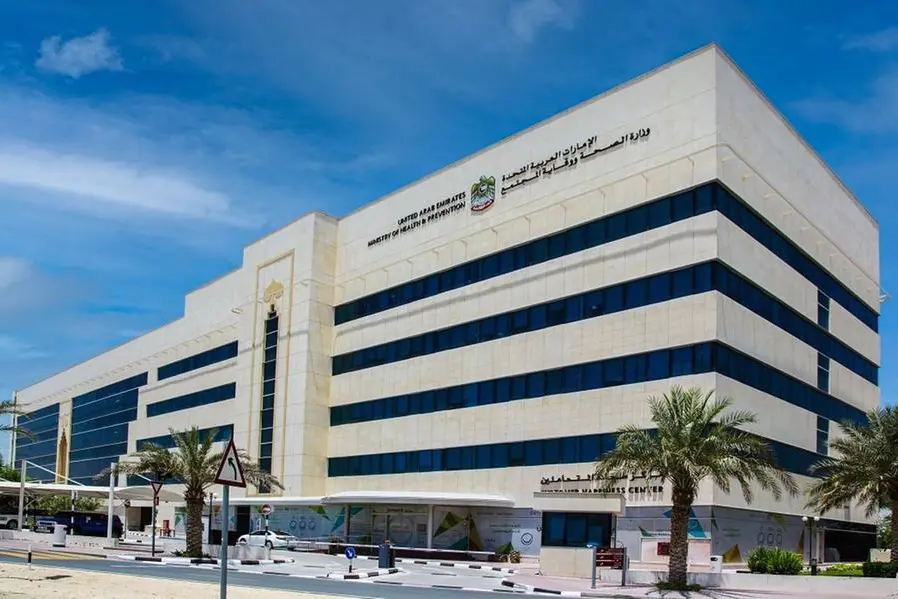
The Ministry of Health and Prevention (MoHAP) has signed several agreements with many private hospitals from across the UAE to enhance cooperation in areas of preparedness and response to emergencies and reinforce integration between public and private sectors.
The agreements were signed as part of the UAE’s proactive approach to the management of emergencies and crises and in line with its commitment to enhancing the national health security system and ensuring continuity of essential healthcare services for all members of the community under all circumstances.
Dr. Amin Al Amiri, Assistant Under-Secretary for the Health Regulation Sector, attended the signing ceremony, where Dr. Abdul Karim Al Zarouni, Director of the Emergency, Crisis, and Disaster Operations Centre, inked the agreements along with the executive directors of Saudi German Hospital (Sharjah and Ajman), Central Hospital, Zulekha Hospital, Burjeel Hospital, NMC Royal Hospital Sharjah, and Ras Al Khaimah Hospital.
This initiative aims to boost the efficiency and resilience of the national health system and enhance its readiness to address various challenges.
From adopting an integrated approach that prioritises partnership and promotes shared national responsibility to strengthening the principles of prevention, preparedness, rapid response, and recovery, the Ministry seeks to ensure the provision of high-quality and sustainable healthcare services that bolster the country’s resilience against global and regional health crises.
Dr. Abdul Karim Al Zarouni stressed that these agreements fall within a unified national framework that aims to not only reinforce the healthcare sector’s readiness but also boost coordination among different levels of public and private health institutions to guarantee the highest levels of responsiveness and efficiency in the event of any health emergency. This aligns perfectly with the UAE’s aspirations to build a more sustainable and efficient healthcare future.
Al Zarouni affirmed that the Ministry is committed to developing a flexible national framework that promotes risk management, encourages knowledge sharing, and strengthens inter-agency collaboration, supporting national efforts to build a robust health sector capable of responding to all potential scenarios.
He stated, “The Ministry of Health and Prevention will spare no effort to instil a culture of proactivity in crisis management through establishing an integrated system capable of foreseeing risks and responding effectively. In this respect, the Ministry prioritises prior planning, knowledge sharing, and continuous training as key pillars of its policy to ensure the sustainability of healthcare services under all circumstances. We will deliver on this through robust governance, system integration, and smart solutions that will not only accelerate response times but will also improve decision accuracy, thereby protect lives and ensure medical services continue without interruption.”
In accordance with the agreements, the Ministry will oversee the development of hospitals’ emergency medical response plans and business continuity frameworks to ensure the availability and effective delivery of essential services during emergencies.
The Ministry will also oversee the creation and regular updating of hospitals’ specific risk registers, while engaging them in simulation drills and specialised training programmes to strengthen readiness for health emergencies.
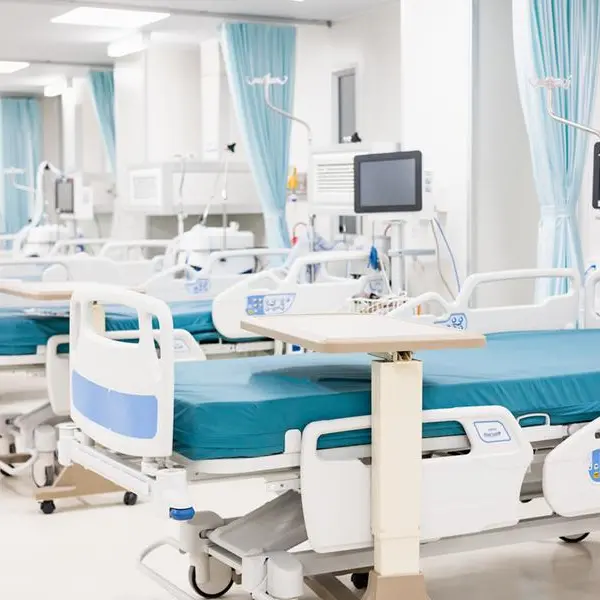
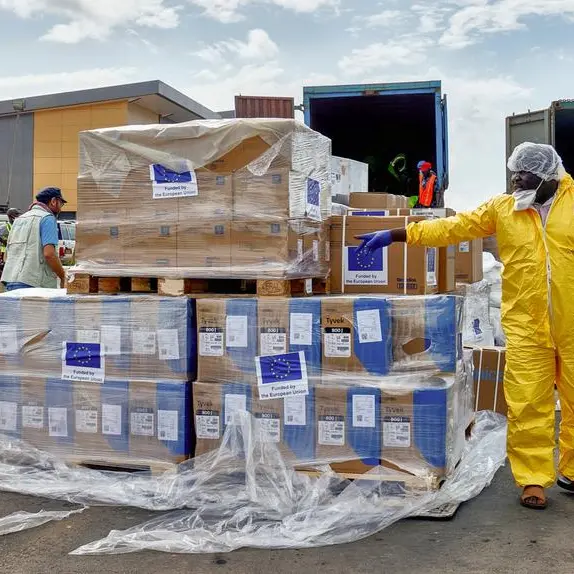
Meanwhile, hospitals will allocate 30% of their bed capacity at the disposal of the Ministry’s Emergency, Crisis, and Disaster Operations Centre and its representative offices. They will also ensure the maintenance of a strategic medical stockpile of medicines and supplies sufficient for at least six months in the hospitals' pharmacies.
Additionally, hospitals are required to update their medical resource data on the Ministry’s smart platforms, such as “Jahiz”, “Mawardna”, or any future systems that may be introduced.
They should also comply with Cabinet Resolution provisions related to dissemination and sharing of health information regarding communicable diseases.
Hospital directors reaffirmed their commitment to supporting the Ministry’s proactive health emergency planning and enhancing medical response capabilities. They stated that this collaboration reflects the strong mutual trust between the public and private sectors and embodies a true national partnership dedicated to strengthening the country's health security. This cooperation, they noted, reinforces the UAE’s position as a global model in health emergency preparedness and response.