JEDDAH, 9 June 2008 -- The Gulf Cooperation Council (GCC) economy is enjoying a spectacular boom and is set to break the $1 trillion barrier in nominal terms this year, marking a three-fold increase in only five years. This will also push the GCC economy past that of South Korea and put it on a par with India.
According to a monthly report of Samba Financial Group, real GDP growth, which is expected to reach 8.2 percent in 2008, has tended to fluctuate in line with oil output. The contribution of the non-oil sector has been more vigorous and more stable, and has been the engine of the current boom.
The GCC financial indicators are also very impressive. The average fiscal surplus is expected to reach 35 percent of GDP in 2008, while the aggregate current account surplus will near 40 percent of GDP. GCC Net foreign assets are expected to reach almost $2.2 trillion in 2008.
Nevertheless, the Samba report said, there are a number of risks and challenges for policy. Foremost among them are rising inflation, which will surpass 10 percent this year, related supply bottlenecks and constraints, and the uncertainties stemming from the recent turmoil in international financial markets as well as the weakening of the global economy. None of these is likely to derail the region's economic prospects, but each could impair the business environment and act as a drag on growth.
Underpinning the GCC's formidable economic performance has been the surge in international oil prices. Since 2002, global oil prices have moved to ever-higher thresholds, breaching $138 a barrel on Friday, more than twice the price recorded at the same period last year.
With spending increasing by just 6.5 percent a year in 2001-2004, despite a concomitant 10.6 percent annual increase in revenue, the GCC governments, instead of ramping up investment, took the opportunity to pay down domestic debt and build up foreign assets. Domestic debt is forecast to decline to just over 10 percent of GDP this year, down from just under 60 percent of GDP in 2002.
According to Samba report, aggregate GCC net foreign assets stood at an estimated $1.8 trillion (224 percent of GDP) at the end of 2007. They are rising by more than $1 billion per day, and are expected to double within the space of three years to reach $3.5 trillion by the end of 2010.
Since 2004, GCC governments have stepped up fiscal spending markedly, with total expenditure growing by 15 percent a year in 2004-2007. Yet the gains in revenue have been even sharper, climbing by 27 percent a year over the same period, and allowing substantial fiscal surpluses. For 2008 the aggregate surplus is expected to reach more than 35 percent of GDP. The surge in oil prices, the shoring up of fiscal and external positions, and the improvements to the business climate have combined to produce a spectacular infrastructure boom in the GCC region. In May, there were nearly $2 trillion worth of GCC projects announced, planned or under way.
The construction sector continues to dominate the project landscape, with $1.3 trillion worth of projects in progress or at the planning stage, ranging from entire cities to individual real estate and tourism projects, as well as basic infrastructure. Oil and gas is the next largest sector, with projects worth $266 billion including regional plans to augment crude oil production capacity by some 3 million bpd over the next five years. In addition, petrochemicals projects command some $130 billion worth of investment, while utilities and industrial projects account for a combined $180 billion.
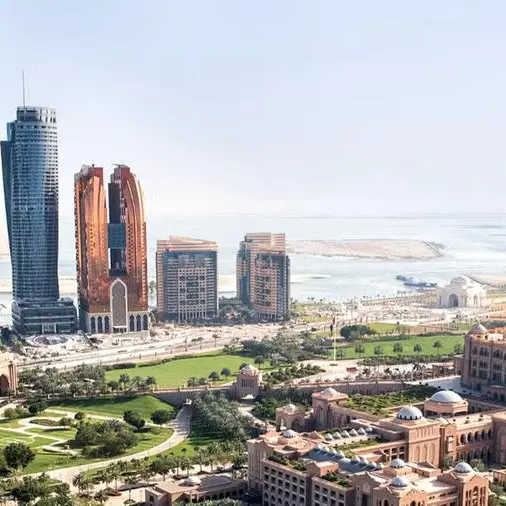
Together, the UAE and Saudi Arabia account for almost 70 percent of the total value of the GCC project pipeline. Construction remains the dominant sector in the UAE, reflecting Dubai's still-booming real estate and tourism markets, and the more recent push by Abu Dhabi to expand its commercial and residential real estate base.
This investment boom has also fueled a marked increase in GDP per head. The average for the GCC is likely to reach nearly $30,000 in 2008, more than double the level recorded in 2004.
Buoyant economic conditions should not divert attention from a number of challenges facing the GCC. The most pressing challenge facing GCC economies is inflation. Based on the official indices, consumer price inflation is now running well above 10 percent in Qatar, the UAE, Oman and Saudi Arabia, and is nearing 10 percent in Kuwait and Bahrain, and the trend is steeply upward in all countries. Two years ago, most GCC countries had inflation rates comfortably below five percent.
"Assuming no change to the peg in the near term nor any major cutback in fiscal spending, inflation is only likely to moderate if the pace of delivery of real estate begins to catch up with demand, the dollar strengthens against other major currencies, and growth of global food prices begins to soften," Howard Handy, general manager and chief economist of Samba, said.
By Khalil Hanware
© Arab News 2008