PHOTO
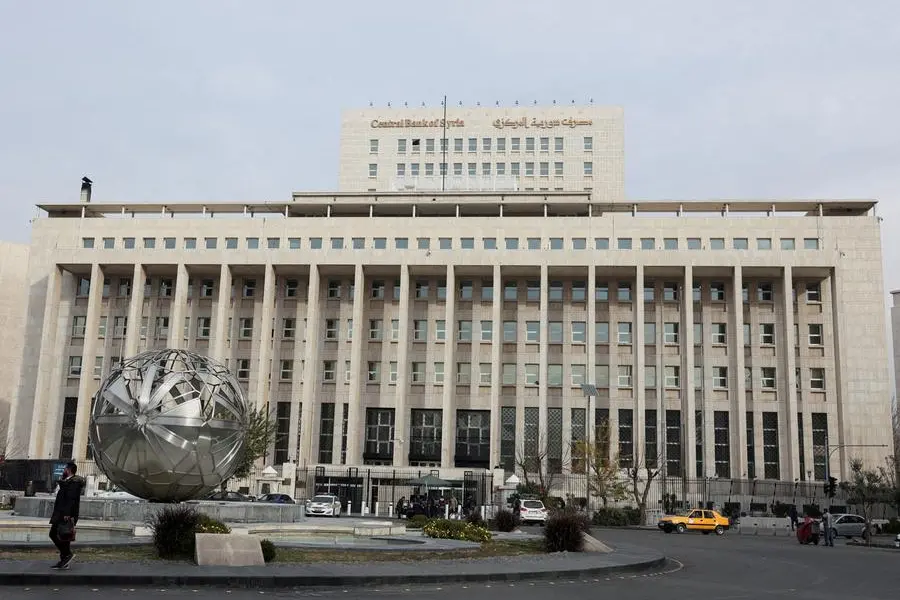
DUBAI/NEW YORK - Visa plans to launch operations in Syria following an agreement with the war-torn country's central bank on a roadmap to develop a digital payments ecosystem, the bank's governor and the company said on Thursday.
"We are glad that we are working with Visa," Syrian central bank governor AbdulKader Husrieh told Reuters NEXT, adding that country officials have further meetings with Visa on Thursday.
"We are working to have a fully finished payment system in which we have global partners because ... our vision is to have Syria as hub - a financial hub - for the Levant" region, Husrieh added, speaking via video link at the Reuters NEXT conference in New York.
Visa, in a separate statement, said: "The immediate focus will be on working with licensed financial institutions to develop a robust and secure payments foundation. This includes issuing payment cards and enabling digital wallets using global standards."
In November, the International Monetary Fund visited Damascus and said it would provide technical assistance on financial sector regulation, the rehabilitation of payment and banking systems and rebuilding the central bank's capacity to effectively implement monetary policy for low and stable inflation and supervision of the banking system.
Husrieh on Thursdays aid the IMF was providing technical assistance but that it was not yet under any formal fund program. The World Bank's estimate that Syria's gross domestic product would grow by a modest 1% in 2025 also did not reflect "the reality" of the impact that easing sanctions and returning refugees would likely have, he added.
Syrian banks were largely isolated from the global financial system during the civil war, after President Bashar al-Assad's crackdown on anti-government protests in 2011 prompted Western states to impose sweeping sanctions, including measures against the central bank.
Assad was ousted in an offensive by Islamist-led rebels last year, and the interim government has since moved to restore international ties. Those efforts culminated in a May meeting in Riyadh between interim President Ahmed al-Sharaa and U.S. President Donald Trump, followed by Sharaa’s visit last month to the White House.
Washington has since eased significant parts of its sanctions program. European governments have announced the end of their own economic sanctions on Syria.
(Reporting by Tala Ramadan in Dubai; Additional reporting by Dan Burns and Susan Heavey in New York and David Lawder in Washington; Editing by Toby Chopra, Rod Nickel and Andrea Ricci)