PHOTO
Analysts expect oil prices to remain elevated over the coming days with conflict escalating in the Middle East, as they assess the impact to supplies, especially flows through the Strait of Hormuz, a conduit for more than 20% of global oil.
Crude futures surged more than 8% on Monday to multi-month highs in the first trading after the U.S. and Israel launched attacks on Iran and killed its Supreme Leader Ali Khamenei, with Tehran striking back against Israel and at least seven other countries.
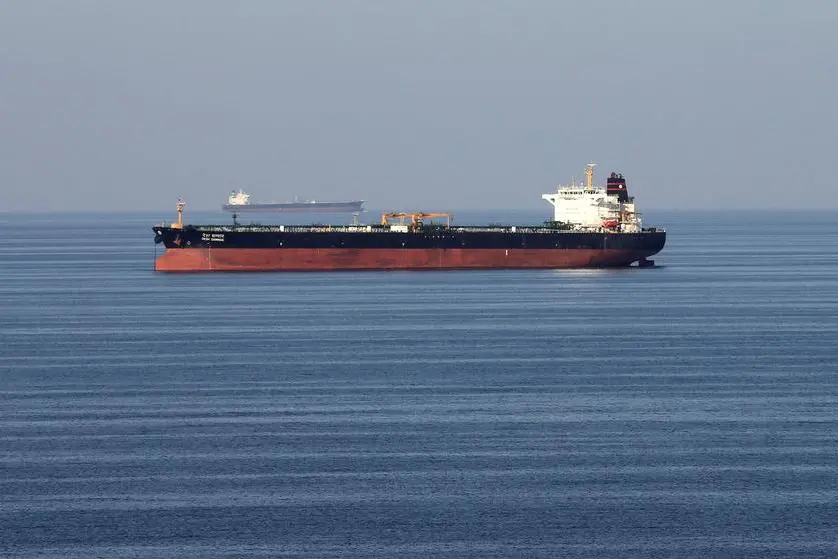
Attacks have damaged tankers, and many ship owners, oil majors and trading houses suspended crude oil, fuel and liquefied natural gas shipments via the Strait of Hormuz.
* Citi analysts see Brent trading between $80 and $90 per barrel over at least the coming week in their base case, they said in a note. The bank expects prices to pull back to $70 a barrel on de-escalation.
* Goldman Sachs estimates an $18 per barrel real-time risk premium in crude prices, the bank said in a note on Sunday. It expects this estimated impact to moderate to a $4 premium if only 50% of flows through the Strait of Hormuz are halted for a month.
* “However, oil prices can rise substantially more if the market demands a premium for the risk of more persistent supply disruptions,” Goldman Sachs analysts said in a note.
* Wood Mackenzie said oil prices could potentially exceed $100 per barrel if tanker flows through the Strait aren't quickly restored.
* "The disruption creates a dual supply shock: not only are current exports through the Strait halted, but OPEC+ additional volumes and ultimately most of OPEC’s spare capacity - typically a key lever for balancing the global oil market - are inaccessible while the waterway remains closed," WoodMac analysts said in a note.
* OPEC+ agreed to raise output by 206,000 barrels per day for April.
* Societe Generale analysts said on Monday the most likely scenario for oil prices is a short-lived spike, followed by a partial retracement as markets judge supply continuity to be credible. (Reporting by Kavya Balaraman; Additional reporting by Ishaan Arora; Editing by Sonali Paul)