PHOTO
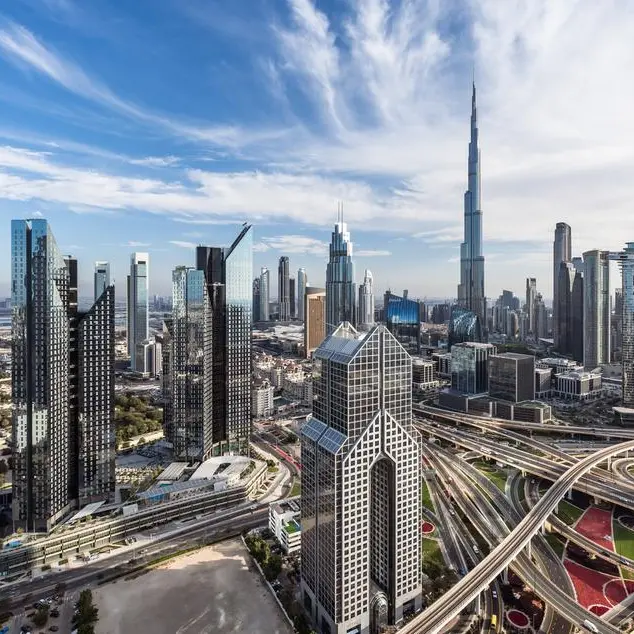
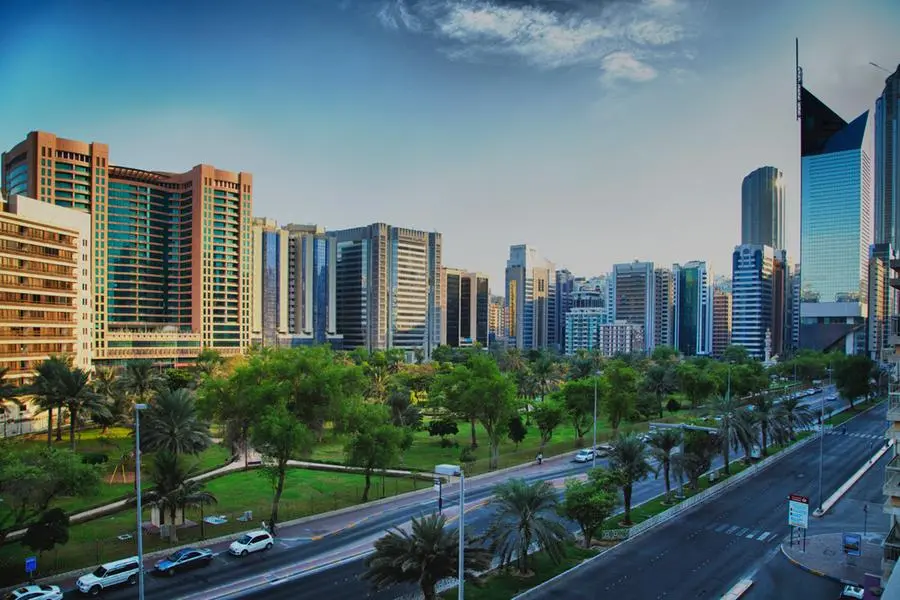
Dubai's residential real estate sector is set for a wave of consolidation which could see the number of developers decline by as much as 75 percent, according to a report published on Sunday.
The report by ReidIn and Global Capital Partners, argues that the number of developers operating in the city's freehold market has increased from slightly more than 100 in 2009 to 1,200 in 2017, citing Dubai Land Department Data and and market sources. However, it added that the number of active developers is actually much lower.
Sameer Lakhani, managing director of Global Capital Partners, told Zawya by telephone that his company is currently researching another report into the number of registered developers that are currently considered to be "active" in the market, adding that it is "probably less than half" of the total.
“The number of developers that are active are a small percentage of the (overall) number that are registered, and that active-to-registered ratio has gone down quite a bit,” Lakhani added.
The report said that given patterns of growth and consolidation that took place in the automobile industry and other sectors, the “we opine that as the consolidation phase kicks in, the number of developers will shrink significantly” - by up to 75 percent.
It said that although smaller, private developers are capturing a slightly higher share of the market for ready properties, big developers are increasingly taking a greater share of the off-plan market.
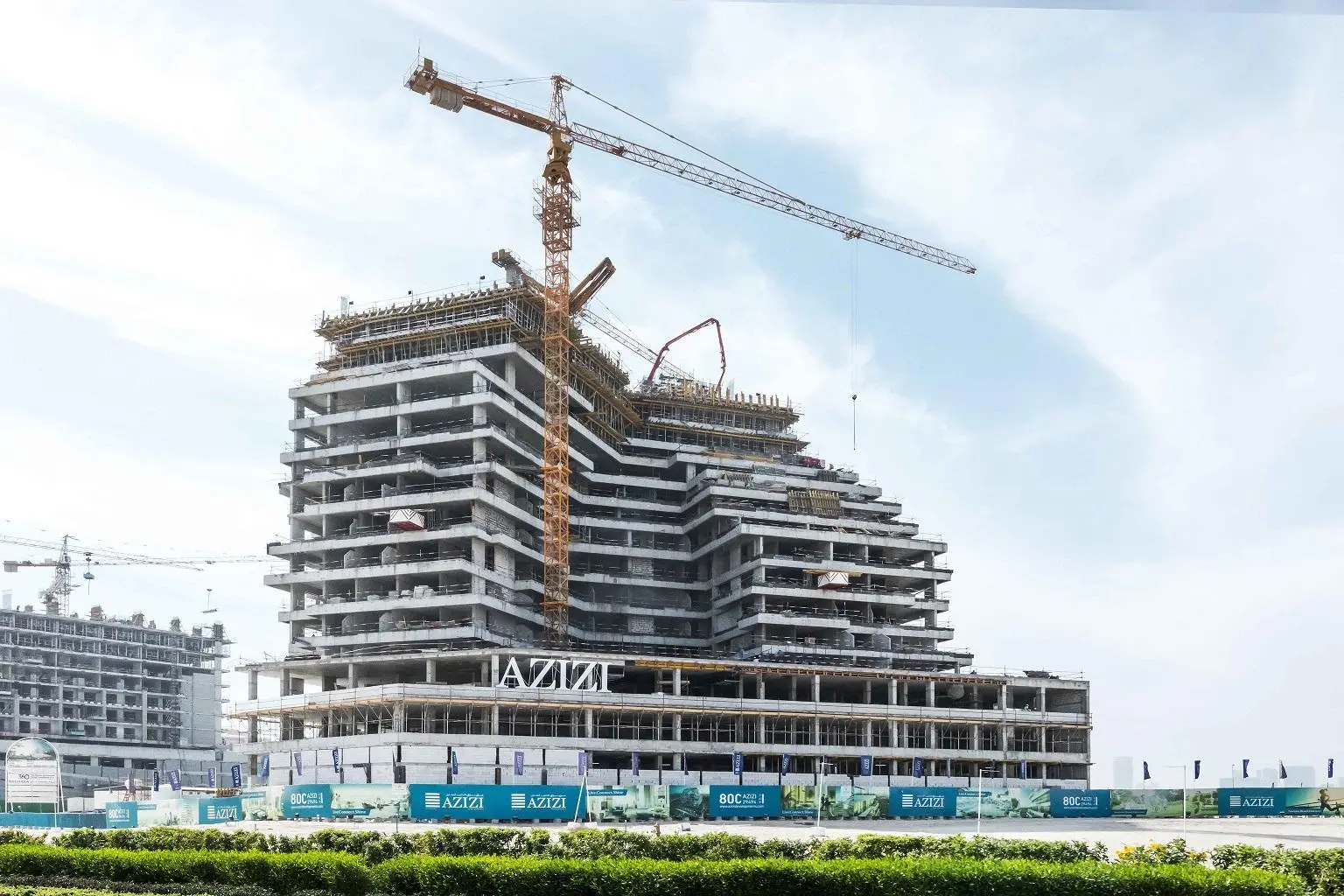
The three most active developers took a 43 percent share of the Dubai off-plan residential sales market last year, an increase from 36 percent in the prior year. Emaar Properties remained the most active developer, with a 22 percent share, following by Azizi Developments will 11 percent of off-plan sales last year, followed by Damac Properties with 10 percent.
It said that although the larger private sector developers will overcome the current consolidation trend, “there is likely to be a shrinkage of market share by private developers”.
“You've seen broker consolidation, you're going to see more developer consolidation,” Lakhani told Zawya.
He argued that this would likely take the form of cash-strapped developers taking on joint venture partners or pools of investors to get projects finished as opposed to formal mergers taking place, or bankruptcies.
"You haven't really seen any real estate developers this time around, as yet, going bankrupt. Might that happen? I'm sure at some stage that will happen but as of now you're still not seeing that.”
He argued that regulations put in place in the wake of the global financial crisis aimed at ensuring developers were better capitalised had largely been effective, but added that some smaller firms may need to 'coalesce' to make sure projects complete.
One of the reasons why larger developers are cornering a bigger market share is due to concerns about project completions, and Lakhani said that this consolidation phase is likely to mean further delays on some schemes.
"Product doesn't get delivered on time and you are going to see consolidation meaning more and more of a push-out of delivery timelines," he said.
Azizi Developments said in a press release issued on Sunday that it has started to prequalify contractors for projects worth a combined 20 billion UAE dirhams ($5.4 billion) that it is due to issue this year.
It said that construction on all of these new schemes are due to start within the next 60 days for delivery by 2020.
The firm's chairman, Mirwais Azizi, said: "The new tenders are our largest number released so far and will contribute to our already packed portfolio of projects which we aim to deliver on schedule by 2020.”
Research published by consultancy Cavendish Maxwell in January stated that some 21,600 homes were completed in Dubai last year, but that 54,000 are scheduled for completion this year, which includes a number of schemes delayed from previous years. However, it said that it expects the actual number that will be completed this year is likely to be lower, as some developers continue to delay handovers.
(Reporting by Michael Fahy; Editing by Anoop Menon).
(michael.fahy@thomsonreuters.com).
Our Standards: The Thomson Reuters Trust Principles
Disclaimer: This article is provided for informational purposes only. The content does not provide tax, legal or investment advice or opinion regarding the suitability, value or profitability of any particular security, portfolio or investment strategy. Read our full disclaimer policy here.
© ZAWYA 2018