Abu Dhabi, 30 Nov. 2009 (WAM) - The Dubai-based English language 'Emirates Business 27/7' today said that Dubai had proved integral to world economy and that it is one of the world's premier trade and logistics hubs.
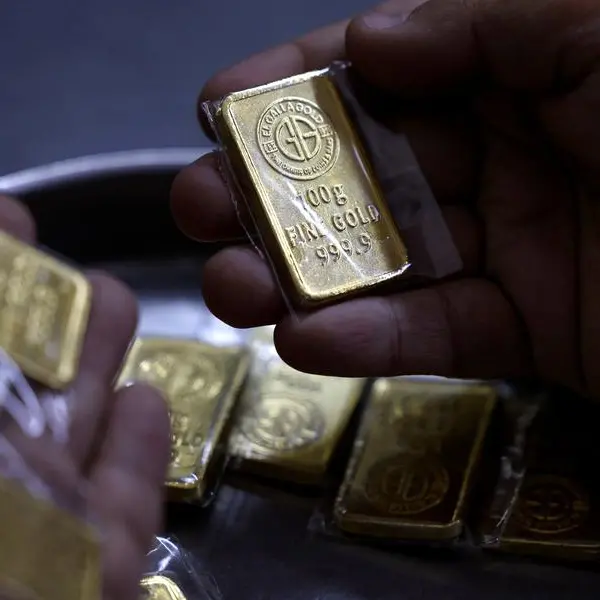
In a comment published today, the paper asked: Is seeking additional time to repay debt such a reprehensible offence in today's cash-strapped times?Below is the comment published in Emirates Business 24/7:That Dubai is integral to the world economy was never in doubt. It is one of the world's premier trade and logistics hubs, and a vital financial centre that bridges the East with the West. But that it could literally bring global markets crashing with what would have been an insignificant announcement in the pre-crisis era is downright ludicrous. It isn't just that the amount that is due on the Nakheel sukuk on December 14, 2009 a sought delay in whose payment has apparently melted real estate markets from Melbourne to Milwaukee and frozen stock markets from Moscow to Montreal is not huge, but the fact that markets and media across the world are devoting so much attention to the mode and the method of this repayment is intriguing to say the least. And it isn't just the ultra-vulnerable equity markets that are jittery: globally, large institutional investors are apparently pulling out of gold that safest of safe haven investments on "Dubai fears". It's the same "Dubai debt woes" that are being held responsible for a decline in oil and dollar's fortunes. Bonds aren't immune either bond markets as far apart as India and Greece "suffered" as credit fears sapped confidence. To say that all this mayhem is unfolding around the world because Dubai World is seeking an additional six months to put its financial house in order is something that takes a while to digest. Least of all because it doesn't make sense. Is seeking additional time to repay debt such a reprehensible offence in today's cash-strapped times?Any reasonable investor would and should know that Dubai World is a Dubai government-owned holding company; it isn't the Dubai Government. And what it is seeking is a "standstill agreement" for six months which implies that Dubai World has short-term liquidity problems, something that was well known and documented even before the announcement came in. That the government has stepped in through the Dubai Financial Support Fund to spearhead Dubai World's restructuring, "designed to address financial obligations and improve business efficiency" is a positive step, in effect signifying that the government hasn't left the cash-strapped corporate alone to fend for itself. The Dubai Government and related entities have, so far in 2009, made good all maturing debt in full. The government's intervention something that the markets always expected to be the case when push came to shove suggests that the government intends to evaluate and indeed exhaust all possible commercial options for debt repayment and restructuring before throwing a lifeline to the company. So what's wrong with that?That the government has chosen to appoint a world-renowned chief restructuring officer to look into the financials and chart a commercially viable way out is exactly the kind of astute, strategic thinking that has made Dubai what it is today among the top 25 global financial centres (No23, according to City of London's March 2009 Global Financial Centres Index). Global media and markets cried murder when governments across the world began bailing out large banks and corporates in the aftermath of the credit crisis. They lamented the "death of capitalism" as we know it, and accused governments of throwing good taxpayer money after bad, and of over-interfering in the private business domain. Now when the Government of Dubai is trying to put in place a system to "ensure the continuity of Dubai World's operations", global media and markets are swinging the other way, clamouring up support for bailing out investors who were, without a doubt, receiving substantially better returns than a risk-free investment in, say, T-Bonds or government paper. The government is clear in its goal: that it will seek to redress impending debt issues with a clear focus on consolidating profitable businesses and that's exactly why DP World is not part of the restructuring exercise. Unlike some of the other regional governments, Dubai has chosen to do so on a commercial basis and not behind-the-scenes, brushing-under-the-carpet sort of way, where a government handout ensures that all commitments are met without a hiccup and the entities remain uneconomical as ever. However, the markets might react, this is Dubai we are talking about. An emirate that has redefined the terms "vision" and "ambition" for the world, which has given it the tallest tower, the largest mall, the tallest hotel, the largest man-made harbour and, in-the-making, the world's largest airport, among a host of other marvels. It has a track-record second to none. Dubai is one of the foremost centres of world gold trade and has indeed been gaining in importance as the preferred global destination for tourism, entrep t, real estate and construction activity, especially over the past three decades. The Dubai dream lives on. If anything, this latest episode is a sign of Dubai's economic maturity, a clear conscience and commercial intent.Copyright Emirates News Agency (WAM) 2009.