Tuesday, Aug 09, 2005
The purchase by AP Moller-Maersk of Dollars 2.95bn worth of North Sea oil and gas assets from Kerr-McGee is fresh evidence of a quietly determined strategic shift on the part of the Danish conglomerate.
The deal, unveiled three days after Moller-Maersk declared its Euros 2.3bn (Dollars 2.8bn) acquisition of shipper P&O Nedlloyd a success, underlines the group's heightened focus on its two core activities - shipping and energy.
While the Copenhagen-based group has never been a sprawling conglomerate - shipping and energy combined accounted for some 74 per cent of 2004 net profit - the past decade did see substantial growth in the size and spread of its ancillary businesses.
Two years ago, the Danish group's portfolio included activities as diverse as an airline, supermarket chains, heavy industry and consumer goods, shipyards and information technology. There were also substantial minority stakes in a variety of companies, including at least 20 per cent in Danske Bank, Denmark's largest bank.
But a strategic change has altered this picture, a shift some observers date to 2003 when Maersk McKinney Moller, who inherited the company founded by his father in 1904, passed on the chairmanship to Michael Pram Rasmussen.
While the steadying influence of Mr McKinney Moller - who controls some 62 per cent of the group - remains evident in the wings, Mr Pram Rasmussen's accession has heralded a decisive slimming of the range of activities.
Last month Moller-Maersk sold its loss-making airline to an Icelandic investment group, a move that underlined the pattern of non-core disposals.
Other divestments over the past year include Disa, a maker of foundry machinery, Roulands Tech, a rubber technology company, and Maersk Data, an IT solutions provider sold to IBM.
Meanwhile, Moller-Maersk has been doggedly investing in core businesses. The Kerr-McGee and P&O Nedlloyd deals are only one facet of a huge investment programme that spans everything from ships to container terminals.
In September last year Moller-Maersk secured a 50 per cent stake in a project to develop a new deepwater container terminal in Xiamen, one of China's fastest-growing shipping markets.
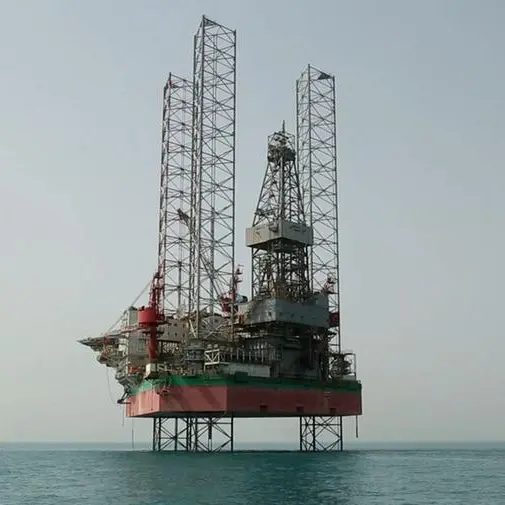
The Danish company has also been busy upgrading its oil exploration stock, buying six drilling barges and a pair of deepwater development semi-submersibles in two separate deals in May.
Moller-Maersk, which owns 13 container terminals in the US, said last month it planned to upgrade its facilities there to counter capacity bottlenecks.
But while the Danish group's strategic shift has been pronounced, it has not, analysts say, been earth-shattering: "This is not a revolution, maybe an evolution," said Brian Borsting, an analyst with Denmark's Jyske Bank.
But Mr Borsting still expects the newly-established pattern of non-core divestments and core investments to continue: "They've been upscaling their investments and sharpening their focus on shipping and energy, and this they will continue to do," he said.
How soon the market can expect another large acquisition to rival Kerr-McGee and P&O Nedlloyd is open for debate. But analysts point out that the P&O deal marked a new departure for the conservative Danish company.
By tradition and conviction, Moller-Maersk has invariably snapped up its targets cheap, but the move on P&O came when prices were high.
This, analysts say, could indicate another new trend: a more open, investor-friendly and less risk-averse Moller-Maersk willing to pay top dollar.
Since Moller-Maersk is on track to being debt-free in 2006, it would have no problem in financing future - and possibly larger - takeovers.
By CLARE MACCARTHY
Copyright The Financial Times Ltd 2005. Privacy policy.