PHOTO
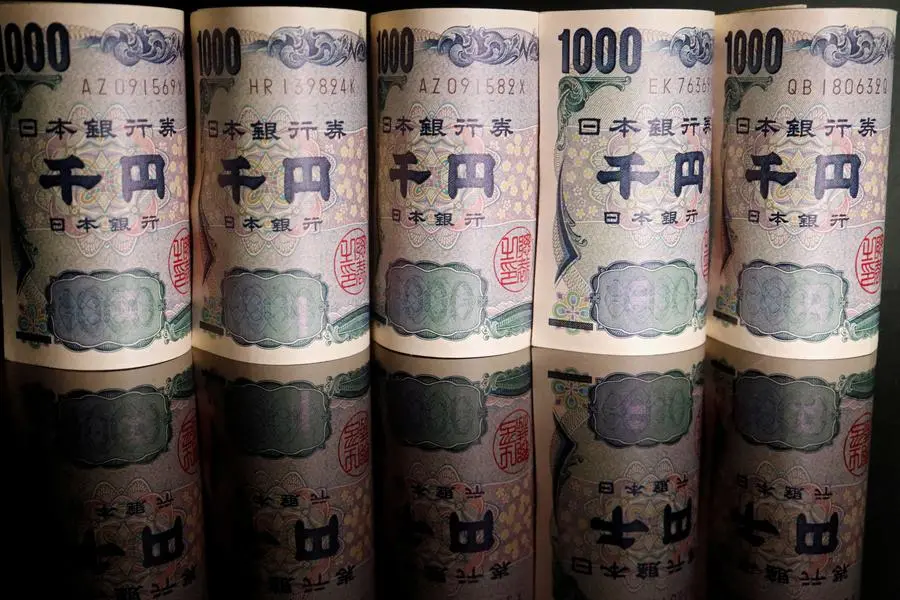
The yen suddenly strengthened on Friday, raising market speculation that authorities had conducted a rate check, often a precursor to intervention, while the dollar was set for its steepest weekly decline since June as geopolitical tensions unsettled investors.
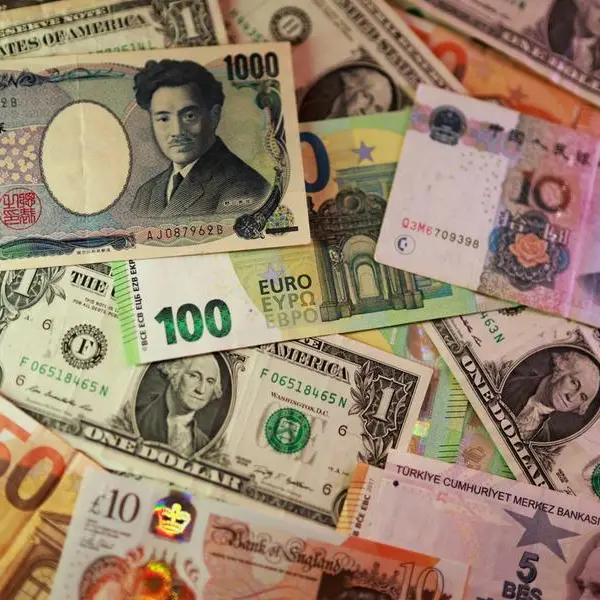
The yen was last a fraction stronger on the day at 158.05 per dollar.
It had weakened to as soft as 159.2 per dollar, close to 18-month lows, during a press conference by Bank of Japan governor Kazuo Ueda after the BOJ held rates steady, but then suddenly strengthened to 157.3 per dollar.
Traders are alert to the prospect of intervention from Tokyo to stem the Japanese currency's slide, though the loose market consensus was authorities had not intervened directly but had run rate checks with banks.
"I don't think it was intervention because it doesn't match the pattern that we've seen when they have gone for it. Typically you get a very big move down in dollar-yen," said Jonas Goltermann, deputy chief markets economist at Capital Economics.
He also pointed to the possibility of a so-called 'rate check'.
A rate check - asking what price it would get if it were to sell yen - is something Japanese authorities can use to signal their readiness to enter the market.
Japan's finance minister declined to comment.
The yen has been under relentless pressure since Sanae Takaichi took over as Japan's prime minister in October, dropping more than 4% on fiscal concerns and hovering near levels that have spurred verbal warnings and intervention fears.
A bond market rout this week underscored investor nerves about Japan's fiscal position as Takaichi called a snap election for February and promised tax cuts, sending Japanese government bond yields to record highs. They have recovered somewhat since then but investors remain skittish.
DOLLAR SELLING MOMENTUM
More broadly, the shifting geopolitical landscape has weighed on sentiment this week as Trump said he had secured U.S. access to Greenland in a deal with NATO that came as he backed off tariff threats against Europe and ruled out taking the autonomous territory of Denmark by force.
The dollar has borne the brunt of investor angst in the currency markets as U.S. assets were pummelled at the start of the week amid the intensifying geopolitical tensions, which revived talk of the 'Sell America' trade that emerged in the aftermath of Trump's sweeping Liberation Day levies last April.
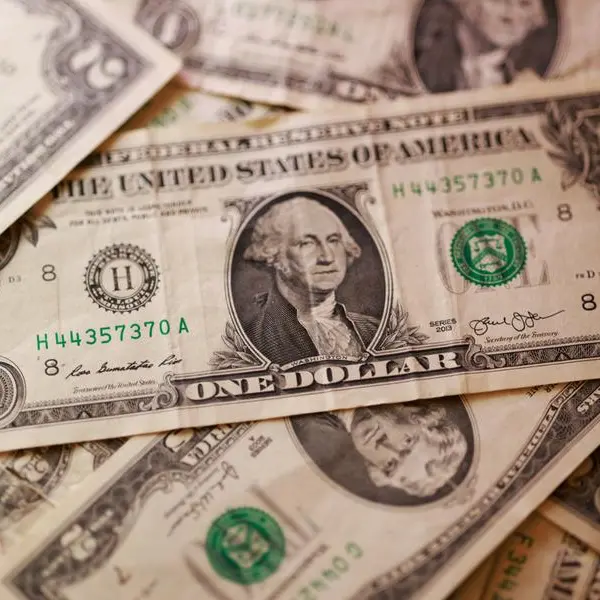
The dollar index, which measures the U.S. currency against six units, was last at 98.31, flat on the day. However it was still headed for an around 1% weekly decline, its steepest since June.
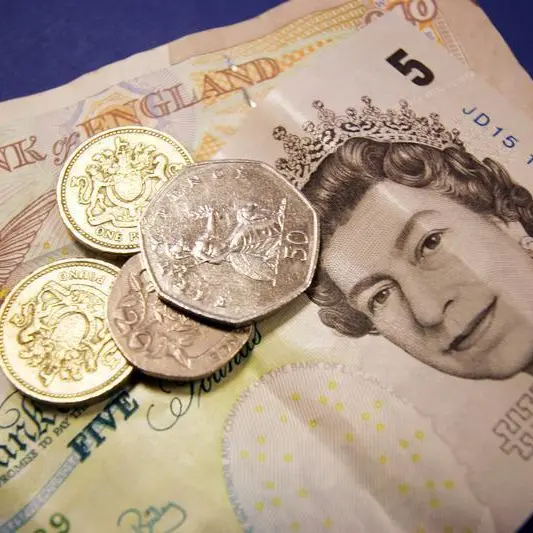
The euro was last around 0.1% lower at $1.1740, but set for a 1.4% weekly gain while sterling was last at $1.35. Data released Friday showed that UK retail sales rose unexpectedly in December but had little effect on the pound.
Thierry Wizman, global FX & rates strategist at Macquarie Group, said while a Greenland deal solves the immediate problem of tariffs and invasion, it doesn't solve the core issue of the seeming alienation of allies from one another.
"And that's not a good place to be if you want to preserve the USD's reserve-currency status."
(Reporting by Ankur Banerjee in Singapore and Sophie Kiderlin in London; Editing by Shri Navaratnam, Jacqueline Wong and Toby Chopra)